Character and Conflict
Characterization
Characterization is the set of choices through which a story reveals who a character is.
Characterization in a story
It includes action, dialogue, thought, appearance, habits, relationships, reputation, environment, and the gap between what a person claims and does.
Original fiction example
Marek says money does not matter, but straightens every banknote before giving it away and checks the recipient's reaction.
This example is original to the NovelOS glossary. It illustrates the term without borrowing a passage from a published novel.
Why writers use it
Use characterization to let readers form and revise judgments from evidence.
A useful revision question: Where does this device change what the reader understands, expects, or feels? If removing it leaves the passage unchanged, it may need a clearer function.
A common mistake
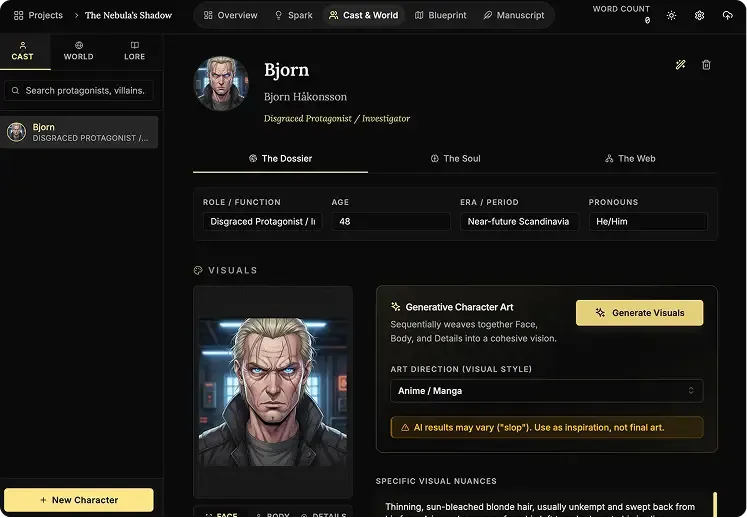
A dossier can help the writer, but listing traits on the page rarely creates a living person.
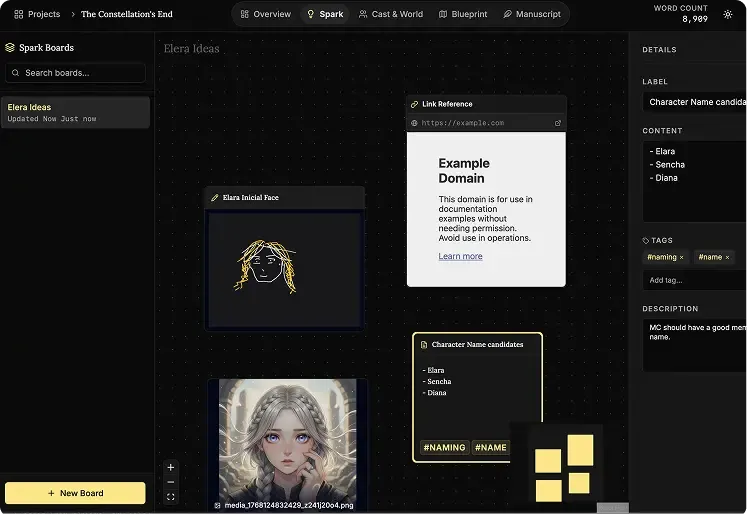
Use characterization in NovelOS Studio
Develop character psychology, goals, contradictions, relationships, and change. The Oracle sits inside the same NovelOS Studio project as your characters, world, timeline, manuscript, goals, tracker, revision tools, and publishing exports.
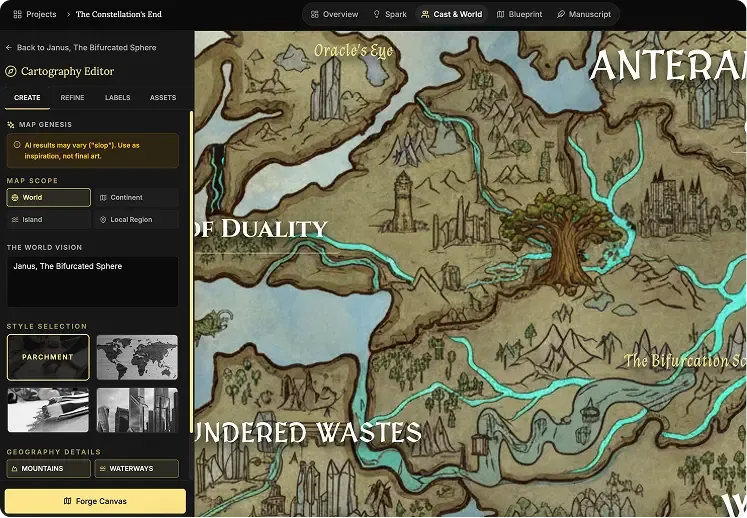
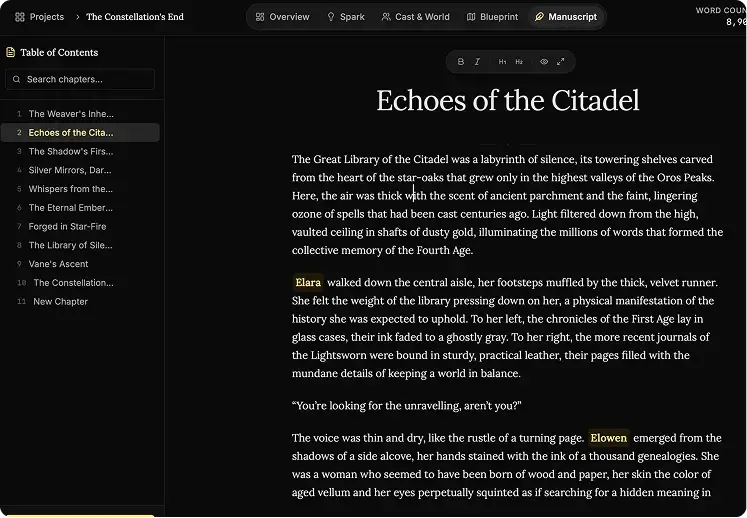
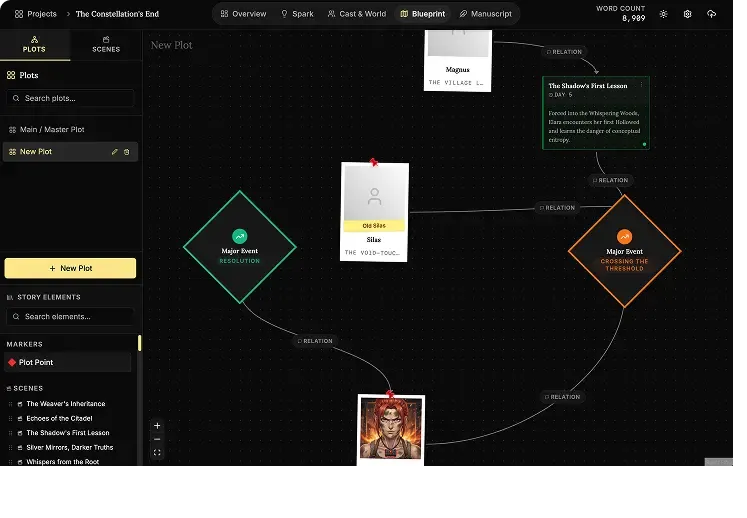
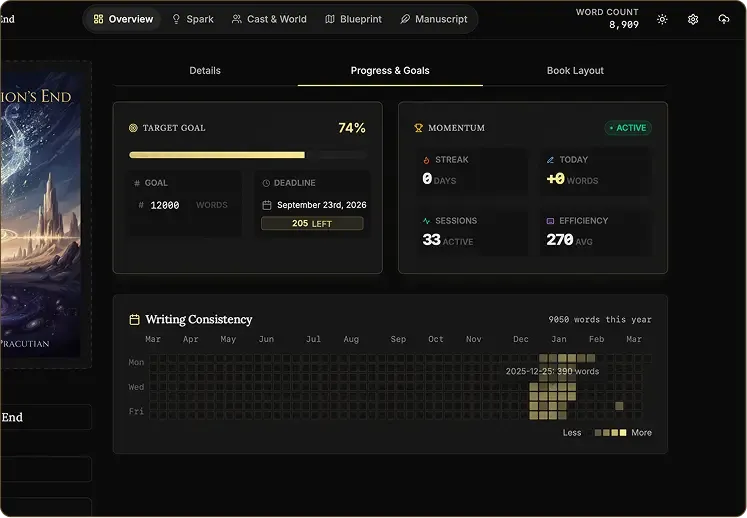
Record the idea where it affects the book, test it in scenes, and revise it beside the surrounding prose. NovelOS Studio keeps the craft decision attached to the novel instead of leaving it in a separate worksheet.