Character and Conflict
Indirect Characterization
Indirect characterization reveals a character through evidence that readers interpret, such as action, speech, thought, possessions, and relationships.
Indirect Characterization in a story
It creates participation by allowing readers to infer traits and revise those inferences as new behavior appears.
Original fiction example
Elian leaves generous tips only when someone he knows can see the receipt.
This example is original to the NovelOS glossary. It illustrates the term without borrowing a passage from a published novel.
Why writers use it
Use indirect characterization when behavior can carry more complexity than a trait label.
A useful revision question: Where does this device change what the reader understands, expects, or feels? If removing it leaves the passage unchanged, it may need a clearer function.
A common mistake
Withholding every clear statement can become evasive when the story needs basic orientation.
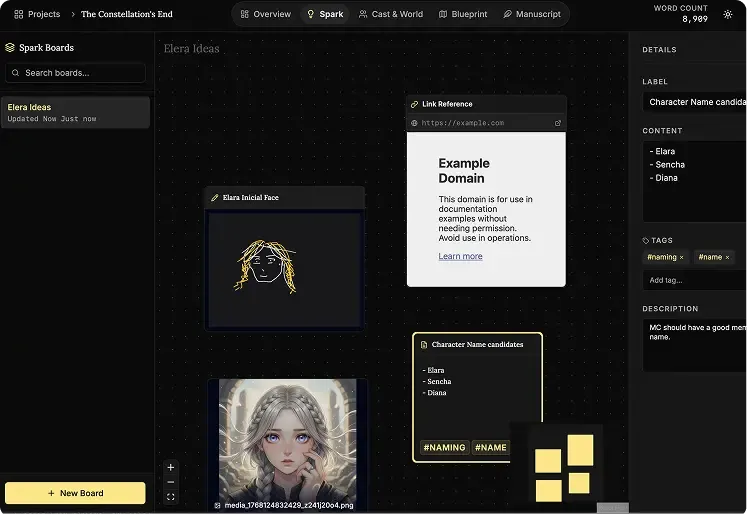
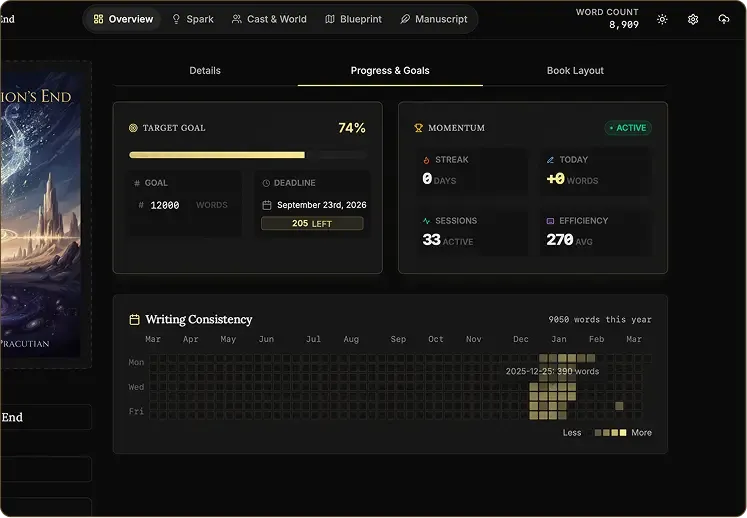
Use indirect characterization in NovelOS Studio
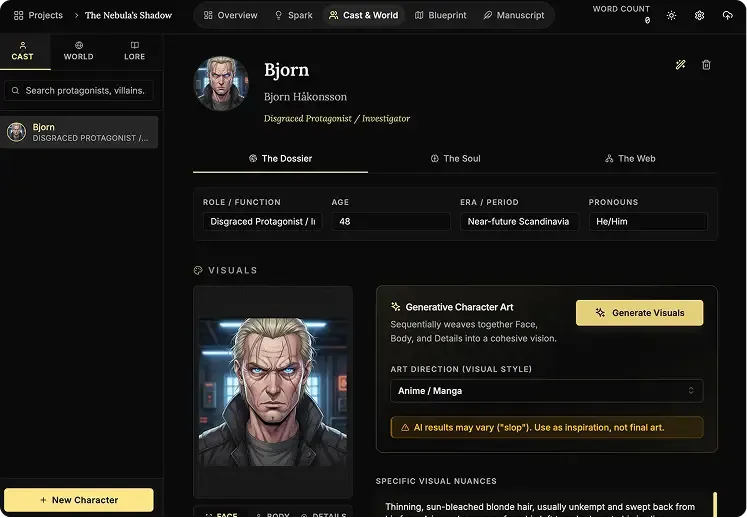
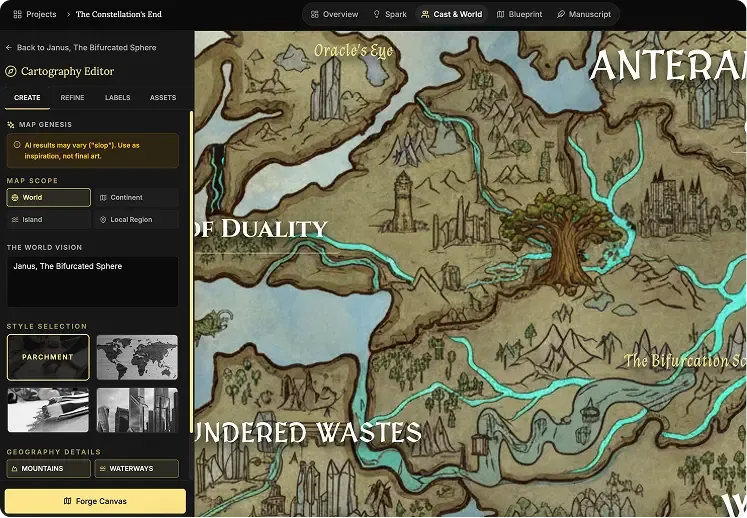
Develop character psychology, goals, contradictions, relationships, and change. The Oracle sits inside the same NovelOS Studio project as your characters, world, timeline, manuscript, goals, tracker, revision tools, and publishing exports.
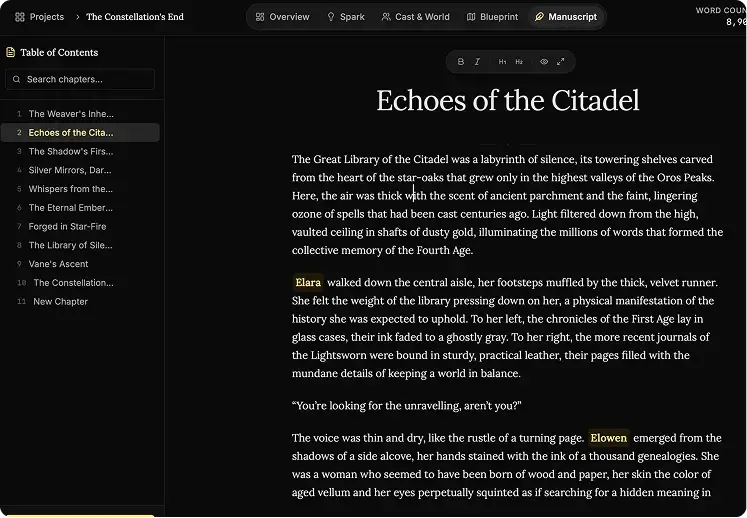
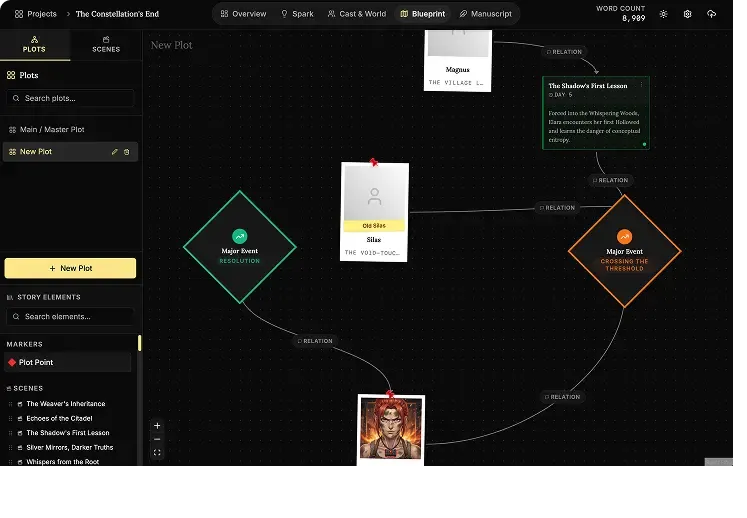
Record the idea where it affects the book, test it in scenes, and revise it beside the surrounding prose. NovelOS Studio keeps the craft decision attached to the novel instead of leaving it in a separate worksheet.