Gaslamp Fantasy Makes Magic Part of the Social Order

Gaslamp fantasy places consequential magic inside a society inspired by the long nineteenth century or a comparable age of industry, expanding cities, changing class power, mass print, reform movements, and imperial extraction. Its boundaries overlap with historical fantasy, Gothic fiction, romance, mystery, and steampunk. Magic remains central to how the world works.
The most useful question for a writer is therefore practical: if magic has existed for generations, who has turned it into a service, a profession, a safety rule, a fortune, and a reason to exclude someone?
Consider a capital whose streetlights are fed by spirits bound into a municipal pressure grid. An elite magical certifier wears silver-lined gloves, as respectable practitioners are expected to do. Factory binders carry copper scars because their employer issues cheaper protection. When a pressure vessel ruptures and kills twelve workers, the certifier is asked to sign a finding of worker negligence.
One of the dead workers is wearing a silver glove from the certifier’s own household.
The glove connects the drawing room to the factory floor. Following that connection reveals how to build a gaslamp fantasy world that can sustain a whole novel.
Begin With One Historical Transformation
“Victorian-inspired” supplies a broad visual association. A story needs a narrower transformation that changes daily life. Choose a period-shaped pressure, decide where magic enters it, and follow the consequences relevant to the protagonist.
This imagined capital is converting from household spellwork to a centralized spirit grid. Before the grid, wealthy homes retained private practitioners and poorer districts relied on oil, fire, or neighborhood charms. Central binding makes bright streets, late factory shifts, illuminated theatres, and safer night transport possible. It also gives one ministry and several companies control over a service the city now depends on.
Create a divergence ledger with four questions:
- What real historical pressure inspires this change?
- What magical capability alters it?
- Which institutions adapt first?
- Which older problem survives in a new form?
Industrial-scale lighting provides the historical pressure. The Science Museum traces domestic and street illumination moving from laborious individual sources toward gas and electric systems developed at industrial scale. In the fantasy version, bound spirits replace fuel combustion. Engineers, insurers, inspectors, landlords, newspapers, courts, unions, schools, and households all respond.
The surviving problem is uneven power. Affluent streets receive purified pressure and quick repairs. Tenement wards absorb unstable residue downwind from the binding works. A technical change redistributes time, safety, property value, work, and political leverage.
Research a date range rather than an aesthetic collage. Parliamentary history of the 1833 Factory Act shows that rules required enforcement mechanisms, including inspectors, and that earlier limits had failed partly because enforcement procedures were absent. Later factory laws changed hours and machinery safeguards while employers continued to exploit ambiguity. Those details offer a stronger fantasy mechanism than “the ministry is corrupt.” A magical safety rule can exist on paper while definitions, inspection capacity, access, and penalties determine whether it protects anyone.
Invent your own history with equal specificity. Give the city a grid authorization year, a deadly earlier accident, an inspection act, a licensing dispute, and a current reform campaign. Decide what changed between them. Avoid letting clothing, transport, legal rights, and labor practices drift across a century merely because each detail looks old.
Follow Magical Power From Source to Street
Worldbuilding becomes story when a reader can trace one service across extraction, transport, processing, ownership, labor, consumption, waste, and failure. Treat magic as a material relationship even if its substance remains supernatural.
The city’s grid begins at distant aether wells where spirits enter mineral solution. Shipping houses carry sealed concentrate to the capital. A refinery separates volatile strains. Factory binders attach them to pressure vessels. Municipal pipes carry the resulting force into lamps, hospitals, workshops, theatres, and wealthy homes. Spent residue settles in low districts and affects sleep, metal, and memory.
At every transfer, record five facts:
- who owns the material or license at this stage;
- whose knowledge keeps the process working;
- what can be measured before danger becomes visible;
- where cost can be transferred;
- who has authority to stop the flow.
The certifier can condemn a vessel but has never worked a night binding shift. A senior binder can recognize a spirit’s unstable rhythm yet cannot file an official report without a licensed signature. A dock clerk knows that the latest shipment came from a disrupted well. A cleaner sees residue collecting where the official maintenance plan says none should exist. Expertise is distributed while authority is concentrated.
This cross-section prevents a miraculous inventor from understanding everything. It also produces scenes. A delayed ship changes factory mixtures. A higher output target shortens recovery time. Exhausted binders compensate for a cracked vessel. Pressure falls in a hospital district, so managers postpone shutdown. Each decision is understandable within one role and dangerous in combination.
Make architecture answer the system. The fantasy-architecture guide can help connect circulation, thresholds, maintenance, and human use. A binding hall needs pressure relief, worker exits, observation points, residue drainage, and access for repair. A ministry chamber may hide the machinery that keeps its ceremonial lamps steady. A rich house can display slender fixtures because dangerous regulation happens in servants’ corridors.
Mary Buckham’s active-setting guide emphasizes choosing specific detail according to story intention. Its visually reviewed pages contrast precise, orienting details with description that shifts attention away from the scene. Apply that discipline here. One green burn around a binder’s finger can reveal material, occupation, safety inequality, and pain. Ten paragraphs about brass pipes may reveal only that the author likes brass.
Teach Etiquette as Embodied Infrastructure
Etiquette in gaslamp fantasy can regulate danger, display training, create intimacy, and preserve class boundaries at the same time. Build each custom from a practical origin and a later social use.
Silver-lined gloves initially prevented accidental spirit transfer through touch. Elite schools standardized their cut and gestures. Courts later declared bare-handed magic uncivilized, even though industrial binders use exposed fingers for work requiring sensitivity. Safety equipment becomes a visible claim about who exercises controlled power.
Write a custom card for each rule:
Action: A guest removes the outer glove while keeping the silver lining against the skin.
Practical function: The gesture permits a shared spell without direct contact.
Status meaning: Proper tailoring proves instruction and money.
Exclusion: Workers with damaged hands or cheaper copper protection appear dangerous.
Private variation: Binder crews use hand signs that imitating spirits cannot reproduce.
Scene consequence: A repaired seam costs the certifier access to a minister who notices it.
Introduce the rule through use. A host offers a grounding pin intended for children to insult a newly wealthy factory owner. A binder performs the exact court gesture while testifying, denying officials an easy reason to dismiss the testimony as ignorance. The certifier removes one glove to examine a burn and violates a boundary that carries medical, social, and political meaning.
Customs should differ across communities. Agricultural practitioners use wood because silver disrupts growth magic. People near the aether wells consider direct touch ordinary and interpret metropolitan gloves as evidence that industrial processing has made power toxic. Factory crews value visible scars as proof of experience while management calls those scars signs of careless practice.
These differences make class passing operational. A character must manage speech, clothing, gesture, knowledge, contacts, and scrutiny. Passing through an elite reception may secure evidence while forcing the binder to conceal the marks that establish credibility among coworkers. Exposure changes more than reputation because licensing and employment depend on the performance.
Allow customs to evolve during the story. The silver glove begins as a sign of responsible authority. It becomes evidence that unlicensed workers were used in a secret experiment. By the ending, wearing it may communicate allegiance to the old system regardless of the wearer’s intent.

Investigate the Failure From the Floor Up
The factory rupture should emerge from the system already built. Start with the official explanation, then move through roles whose knowledge changes the causal chain.
The official ledger says a dead binder exceeded licensed capacity and brought an unauthorized elite glove into the vessel room. The ministry asks the certifier to confirm that worker error caused the deaths. A signature would preserve a sibling’s appointment, allow the grid to restart, and prevent hospitals from losing pressure.
On the factory floor, a chalk record behind a ventilation grille tells another story. Binders kept it because formal reports were edited. Three workers had collapsed. A foreman ordered the remaining crew to hold pressure through a royal celebration. The silver glove let one binder handle an elite technique without elite recovery time.
At the docks, manifests show that the aether shipment came from a different well after local resistance interrupted extraction. Refiners reported unfamiliar behavior. The company relabeled the batch to avoid an insurance delay. In a tenement, residents describe lamps whispering the same phrase workers heard before the rupture.
The investigation now has a causal sequence:
- a disrupted source changes the material;
- commercial pressure conceals the change;
- licensing hierarchy prevents worker knowledge from becoming official evidence;
- production targets reduce rest and maintenance;
- an unapproved glove experiment raises apparent capacity;
- delayed shutdown turns instability into mass harm.
No single cause absolves everyone. Owners approved targets. Managers concealed reports. Officials accepted an inspection regime they knew was weak. The sibling supplied household gloves, hoping successful workers would prove that reform could be introduced from above. The dead binder accepted dangerous work within constraints created by wages, solidarity, professional ambition, and incomplete information.
Use magic to complicate proof while preserving investigation. A vessel spirit recalls emotional pressure but cannot name a supervisor. Residue identifies a binding pattern without revealing who authorized it. A memory plate records only the slice of the room its operator prepared it to receive. Test supernatural traces against schedules, material records, testimony, and physical damage.
The earlier guide to meaningful magic costs expands cost beyond personal exhaustion. Here the price travels through injury, polluted housing, unpaid recovery, public dependence, secrecy, and colonial extraction. The system feels large because the same magic produces convenience for one household and risk for another.
End by Changing Who May Interrupt the System
A stronger spell would confirm the hierarchy the investigation exposed. Build the climax around coordination and the right to stop dangerous machinery.
The ministry plans to restart the factory during a royal procession. Repairs address the cracked vessel while leaving unstable aether, exhausted staff, and altered records in place. A second rupture could travel through the streetlight network into the crowd.
Stopping it requires capacities established earlier. Binders know how pressure sounds before failure. Dockworkers can identify the contaminated batch. Mechanics can isolate sections of the grid. A reporter can publish the hidden ledger before officials seize it. The certifier holds a narrow legal power: under an obsolete clause, signing a restart makes the certifier personally liable for its operation.
The certifier refuses and demands a public inspection. Workers begin a timed shutdown. Neighborhood practitioners extinguish local lamps in sequence so pressure cannot jump toward the procession. Hospitals receive stored power, though several districts lose heat. Mutual-aid kitchens and household circles become part of the climax because reform must keep people alive during interruption.
The ending should measure control rather than promise that hierarchy, extraction, and class disappear overnight. A settlement can create a binder-elected safety council, grant crews direct stop-work authority, recognize personal ownership of binding patterns, fund independent residue monitoring, and open licensing examinations to apprentices outside elite schools.
Give each change an observable test. Can a night-shift binder stop a vessel without a patron’s signature? Can residents obtain district exposure records? Can an overseas supplier refuse an extraction quota? Can the ministry restart the grid before an elected inspection? Institutional change becomes dramatic when a later character successfully uses a right that was absent at the opening.
The certifier loses the court appointment and testifies about the family experiment. A binder refuses an individual elite license offered in exchange for silence. The reporter publishes the names and testimony of workers with their permission rather than turning them into anonymous atmosphere.
Return to the glove. At the reopening, the former certifier arrives bare-handed. Elite papers call the gesture vulgar. Binders understand it as acceptance that public safety now rests on shared standards, evidence, maintenance, and interruption rights. One social detail carries the distance the city has traveled.
Build the Whole Gaslamp System in NovelOS Studio
Gaslamp fantasy asks the writer to keep magic consistent across etiquette, employment, law, infrastructure, family status, historical change, and plot evidence. NovelOS Studio is designed for that connected work.
- Begin the cast in The Oracle, covering officials, binders, certifiers, refiners, dockworkers, cleaners, residents, reporters, owners, and overseas communities. Cast & World can preserve each person’s practical knowledge, legal permission, economic dependence, public presentation, and line they may refuse to cross.
- Draw kinship, employment, patronage, licensing, ownership, solidarity, secrecy, debt, and reform coalitions in Connections. The silver glove should link a household relationship to an industrial decision.
- Store aether rules, spirit strains, customs, factories, neighborhoods, ministries, laws, professional bodies, supply routes, waste effects, and reform history in The Architect.
- Use Spark when you need several plausible consequences for a magical invention, a custom violation, or a policy change before choosing the one that best develops this city.
- Arrange shipments, shifts, inspections, letters, newspaper editions, hearings, strikes, pressure changes, and the procession with The Blueprint and Timeline View. Period communication delay and simultaneous grid events remain visible.
- Draft sensory work scenes, restrained court exchanges, testimony, investigation, and the coordinated shutdown in Manuscript. Compare a proposed Alchemist revision against the source passage before accepting it.
- Turn word-count aims, historical-research tasks, clue checks, magic-rule validation, and revision milestones into goals and trackers. Editorial Foundry can shape an EPUB or PDF edition, prepare DOCX and RTF files for collaborators, keep Markdown and TXT copies, or make one portable HTML book.
Use the desktop studio on either macOS or Windows. Your personal license extends to an unlimited number of your own devices. For machine-to-machine movement, create a .novelos archive from the project and restore that package with import at the destination. Mobile access is planned rather than currently released. Keep the entire gaslamp society in NovelOS Studio so a courtly gesture, factory decision, law, and streetlight can remain parts of the same causal world.
Sources and further reading
- Book Riot: The Birth and Evolution of Gaslamp Fantasy, on the label’s flexible relationship to nineteenth-century historical fantasy and adjacent genres.
- Revue Captures: Recomposer des mondes passés, a scholarly discussion of gaslamp fantasy, neo-Victorianism, alternate history, and the label’s movement across mystery, romance, and Gothic modes.
- UK Parliament: The 1833 Factory Act and later factory legislation, on inspection, working hours, machinery safeguards, enforcement, and exploited ambiguity.
- Science Museum: Electrifying, the story of lighting our homes, on the movement from individual light sources toward industrial-scale gas and electric systems.
- Mary Buckham, A Writer’s Guide to Active Setting, especially the visually reviewed pages on specific details, narrative intention, point of view, and the pacing cost of irrelevant description.
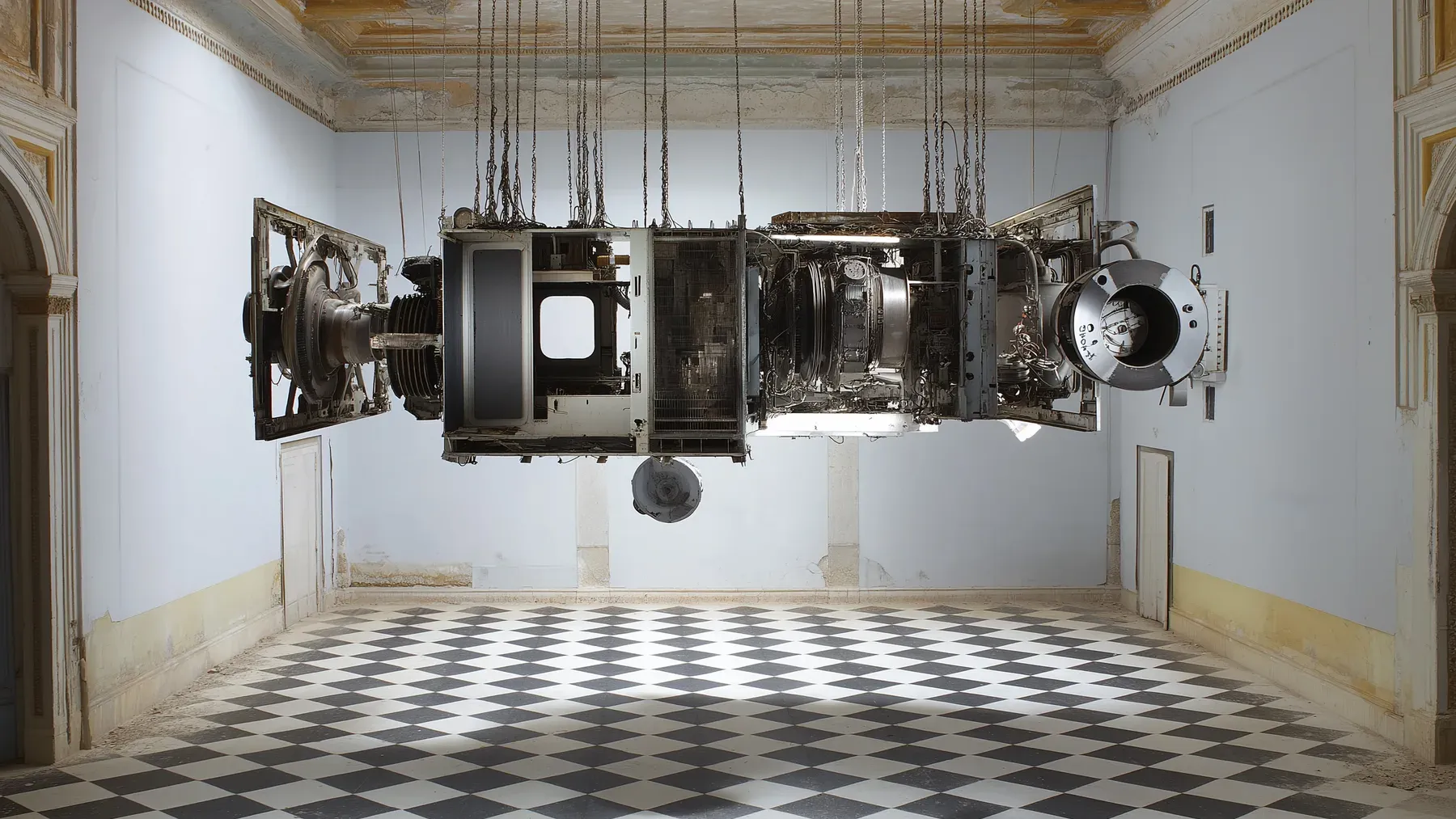
- Lummi: Ornate Street Lamp at Dusk, Victorian Portrait of a Young Woman, and Industrial Machine Display. Each exact record was checked as free, non-Pro, and available before conversion.