Nautical Fantasy Begins With a Working Voyage

Nautical fantasy feels maritime when the ship cannot become a moving room detached from water. Hull, rig, wind, current, weather, distance, watchkeeping, maintenance, cargo, and crew coordination determine which choices remain possible. Sea magic becomes stronger when it enters that system and changes its consequences.
An unnamed relief captain can ask the sea one question at dawn. The first wave against the hull carries the answer: north for yes, south for no, east for a malformed question, and west for payment.
Six days into a grain voyage, the captain asks whether a hurricane has passed beyond the cape. The wave comes from the west.
Waiting consumes freshwater. A southern diversion adds nine days. Crossing the storm’s wake risks damaged rigging and confused seas. The omen supplies no safe course, and its price remains unknown. Every option now belongs to both seamanship and magic.
What Is Nautical Fantasy?
Nautical fantasy is fantasy in which sustained life on, beside, or beneath the sea shapes plot and character. Ships, navigation, maritime labor, ports, weather, trade, naval power, or ocean cultures carry causal weight. A brief crossing can appear in any fantasy; a nautical story makes the marine environment part of how problems are created and solved.
Choose the closest real maritime model before inventing exceptions. Define vessel type, size, rig or propulsion, draft, crew, cargo, route, season, communications, and navigational technology. A shallow-draft schooner can enter coves a deep vessel cannot, while low freeboard changes heavy-weather risk. An engine may improve maneuvering and consume fuel needed elsewhere.
Build a capability card:
| Vessel field | Story question |
|---|---|
| Propulsion | Which winds, fuel, currents, or magic create movement? |
| Draft and hull | Which harbors, reefs, loads, and sea states are possible? |
| Crew | Which jobs require trained people and continuous coverage? |
| Storage | How much water, food, fuel, medicine, repair material, and cargo fit? |
| Information | Which charts, instruments, observations, signals, or spells reduce uncertainty? |
| Failure modes | What breaks first, and what capability disappears with it? |
The relief vessel carries fourteen people, grain for a salt-flooded island, a small auxiliary engine, and limited freshwater. Reefs restrict night passage. A current assists the outward route and resists the return. One neutral port sells water; another lies behind a political blockade.
Research seamanship appropriate to the model. Learn vessel anatomy, points of sail, watchkeeping, passage planning, cargo care, emergency work, and weather observation deeply enough that decisions have reasons. Use only the terminology readers need in the moment.
The principles of active setting in fiction show how place can alter plot, mood, and character. At sea, setting is also the vehicle, workplace, resource field, and route.
Plan the Passage as a Chain of Conditional Decisions
A route on a fantasy map is a proposal. The actual passage depends on distance, speed, wind, current, visibility, water depth, hazards, shelter, supplies, crew condition, and changing forecasts.
Create a passage ledger with departure condition, intended leg, decision point, evidence available, safe alternatives, turn-back threshold, and downstream cost. The captain’s choice at the cape should inherit everything established earlier.
NOAA identifies winds, waves and swell, visibility, water levels, currents, ice, and bridge clearance among conditions relevant to mariners. Its wave guidance explains that wind speed, duration, and fetch affect wave height, while shallow water slows and steepens incoming waves. A fantasy voyage can adapt those relationships without copying a modern forecast interface into another era.
The hurricane’s center may have passed while long swell, damaged ports, altered currents, debris, and exhausted crews remain. The captain’s yes-or-no question was too coarse. “Passed” does not mean “safe for this vessel, on this route, with this cargo.”
Convert the intended track into legs with decision gates. A gate can be a headland, tide change, last sheltered anchorage, fuel threshold, or point beyond which turning back takes longer than continuing. At each gate, compare observed conditions with the assumption that justified departure. This turns navigation into a sequence of revisable commitments.
Information has age as well as accuracy. A report from the cape may have been correct six hours earlier and dangerous now. A magical answer from dawn cannot settle an evening approach after wind and current change. Mark when every forecast, chart correction, sighting, and omen was obtained. The passage becomes tense because decisions use incomplete evidence whose value decays while the ship moves.
Use weather evidence before impact. Pressure falls. Swell arrives from outside the local wind. Cloud structure changes. Crew secure loose gear and compare the signs with their instruments and experience. Forecast uncertainty survives, but the storm does not appear merely because the chapter needs action.
Geography must influence water. Headlands create lee and acceleration. Channels concentrate current. Reefs offer shelter at one tide and danger at another. Shallow water changes waves. A harbor’s entrance can be more decisive than the distance between islands.
The earlier article on repairing a flat travel scene can help make each leg change options. Nautical fantasy adds a strict requirement: every detour consumes time, labor, or supply somewhere else.
Make the Crew a Safety System
A vessel operates through coordinated human attention. Helm, lookout, navigation, sail handling, machinery, pumps, cooking, cargo checks, maintenance, and rest continue while the ship moves.
The International Maritime Organization treats fatigue as a safety issue and requires watch systems to preserve fitness for duty. Its safe-manning principles connect sufficient qualified crew with navigation, operations, cargo, environmental protection, and welfare. A fantasy vessel may follow different law, but human fatigue still changes judgment and capability.
Map every critical duty to a qualified character, relief person, and failure consequence. If the navigator is injured, who can take a bearing? If two deckhands repair the foresail, who covers lookout? If the engineer works through both watches, when does fatigue make the auxiliary engine less reliable?
Give crew members authority rooted in responsibility. The captain holds command. The navigator can refuse a course believed immediately unsafe. The cook controls water distribution because accounting for consumption is survival work. The engineer knows which burst of propulsion the machinery can bear. A deckhand with family on the destination island has urgent knowledge and an interested bias.
Hierarchy enables rapid action during danger and can suppress essential correction. A competent captain establishes when orders require immediate obedience, when specialists must speak, and how dissent is recorded outside emergencies.
Shipboard scenes should use tasks to carry relationships. Two people reefing sail must coordinate through noise. A missed watch transfers exhaustion to someone else. A disputed bearing becomes personal only because the next reef is real.
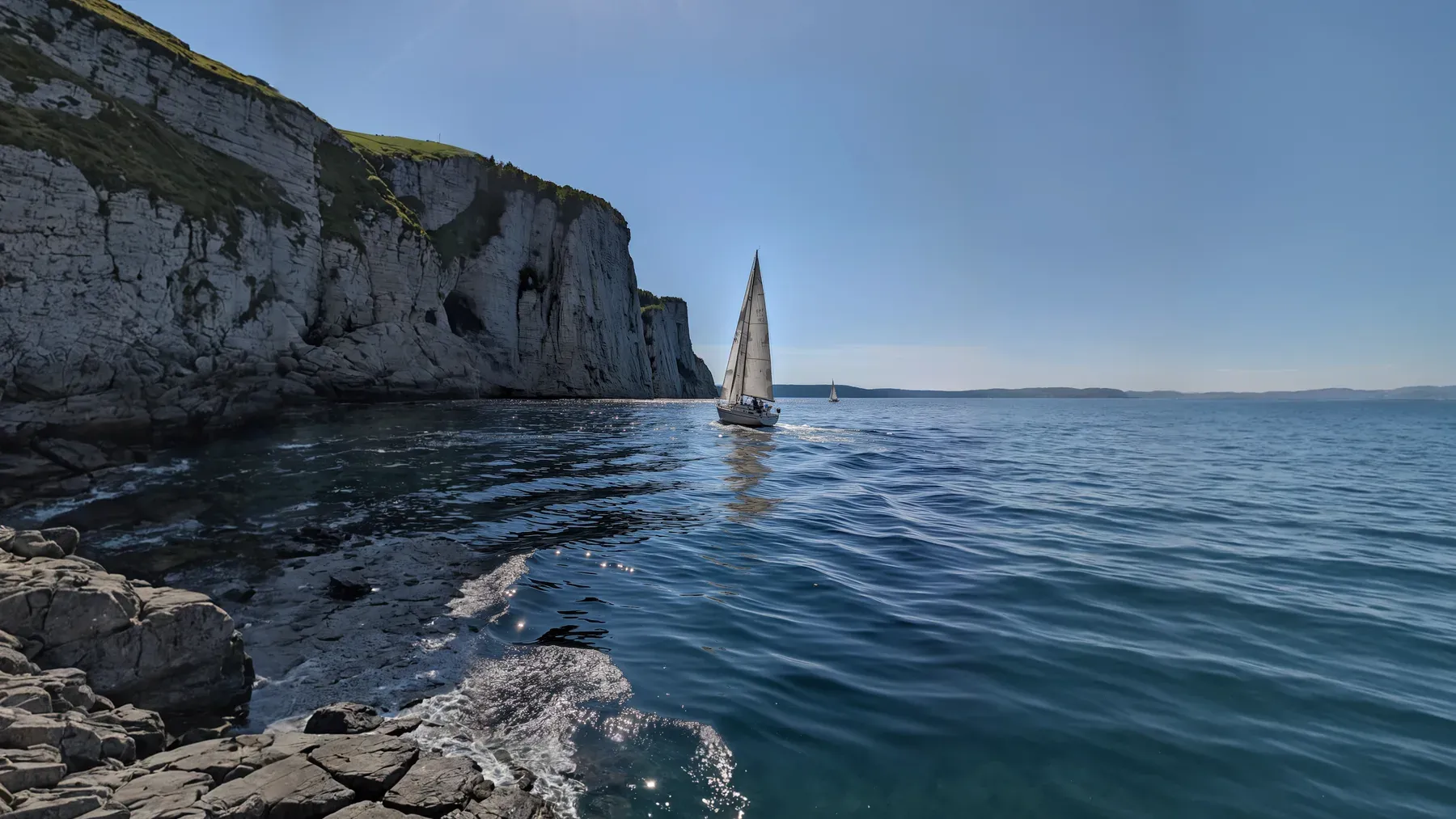
Couple Supplies So Every Solution Has a Price
Track resources at the precision the plot uses. The relief vessel has eight days of water at ordinary ration and twelve under emergency measures. The southern route needs nine days under favorable wind. Grain must remain dry. Fuel powers the engine and a small freshwater system.
Build a coupling map instead of isolated counters:
- Running the freshwater unit preserves drinking water and consumes fuel needed near reefs.
- Opening the grain hold for inspection improves information and exposes cargo to rain.
- Throwing weight overboard may improve damaged stability and sacrifice relief equipment.
- Reducing sail protects the rig and lengthens exposure to supply loss.
- Reassigning crew to pumps preserves buoyancy and removes hands from navigation or repair.
Record starting quantity, consumption rate, reserve threshold, dependent capability, and who controls release. Then change totals only through visible action. Keep the spreadsheet backstage while making the broken cask’s effect on the route understandable.
Test the ledger under three conditions: the planned passage, one plausible delay, and the worst delay the vessel can survive. This exposes false abundance. Nine days of water may look sufficient for a seven-day voyage until two days of contrary wind leave no reserve for injury, leakage, or a closed harbor.
Cargo belongs in the same calculation. Grain can shift and affect stability, absorb moisture, spoil, or become inaccessible when hatches must remain secured. Relief goods also carry moral weight. Cutting loose a cask may protect the hull and reduce what reaches families ashore. The physical decision and political consequence should remain connected.
Resource decisions create politics. The island needs grain. The crew needs water. The owning authority wants the vessel preserved. Families want rapid arrival. No single measure called “success” can satisfy all four perfectly.
The shipwreck scene guide shows how lost capability can create a new social order. Earlier in a voyage, smaller damage can begin that change by shifting who becomes indispensable.
Make Sea Magic Alter Maritime Causality
The dawn-wave magic needs a domain, access rule, signal, interpretation process, cost, uncertainty, and social history. It should interact with vessel and voyage instead of supplying a route whenever research becomes inconvenient.
The sea answers one carefully formed question through the first wave touching the hull. Local water carries the signal, so a ship in a locked basin receives no answer. The omen expresses direction rather than language. A west wave means a reciprocal obligation whose terms must be inferred.
Different communities interpret it differently. Island navigators say the sea answers routes. Naval scholars describe a probability ritual. Older merchant captains once paid silver after every response, until public fleets prohibited that expense. These models shape conduct without requiring the narrator to settle the sea’s ontology.
Donald J. Bingle’s chapter in Eighth Day Genesis argues that a speculative premise should have wide effects and account for complex and unintended consequences. Apply that standard here. Reliable omens would affect insurance, command selection, port law, warfare, pilgrimage, rescue, and fraud. People would argue over who may ask and who bears payment.
Magic preserves competence by changing the problem. The west wave cannot reef sail, repair rigging, ration water, or choose acceptable risk. It tells the captain that passage itself is the price. The sea wants this vessel to chart a temporary current through the hurricane wake so later relief ships can follow.
When drawing on living maritime or Indigenous wayfinding traditions, research specific communities and sources. Observation, memory, technology, spirituality, and culture should not be divided into “rational seamanship” for one group and mystical instinct for another.
The earlier method for creating meaningful magic costs can help trace who pays, when, through which burden route. Here, payment becomes shared labor, bodily risk, and public navigational knowledge.
Make the Climax Spend Everything the Voyage Established
Preparation begins the climax. The crew shifts grain lower, doubles lashings, rigs reduced sail, fills safe water containers, checks pumps, assigns emergency stations, and agrees on conditions for turning away.
Then each earlier capability returns under pressure. A squall tears the foresail. Fuel can hold the bow toward the waves for minutes, but using it threatens the final reef approach. A cask breaks loose near the hull. The navigator finds the hidden current while an exhausted relief watch questions the bearing.
No lone gesture sails the ship. The captain chooses priorities, the navigator converts observation into course, the engineer rations propulsion, the cook protects water, and deck crew keep hull and rig functional. Relationships matter because coordinated expertise determines survival.
The vessel reaches the island with damaged rigging and most grain dry. Its route record lets larger ships follow. The ending retains consequence: the crew needs repair and rest, the current may be temporary, and the authorities must decide whether captains can accept magical obligations on behalf of public missions.
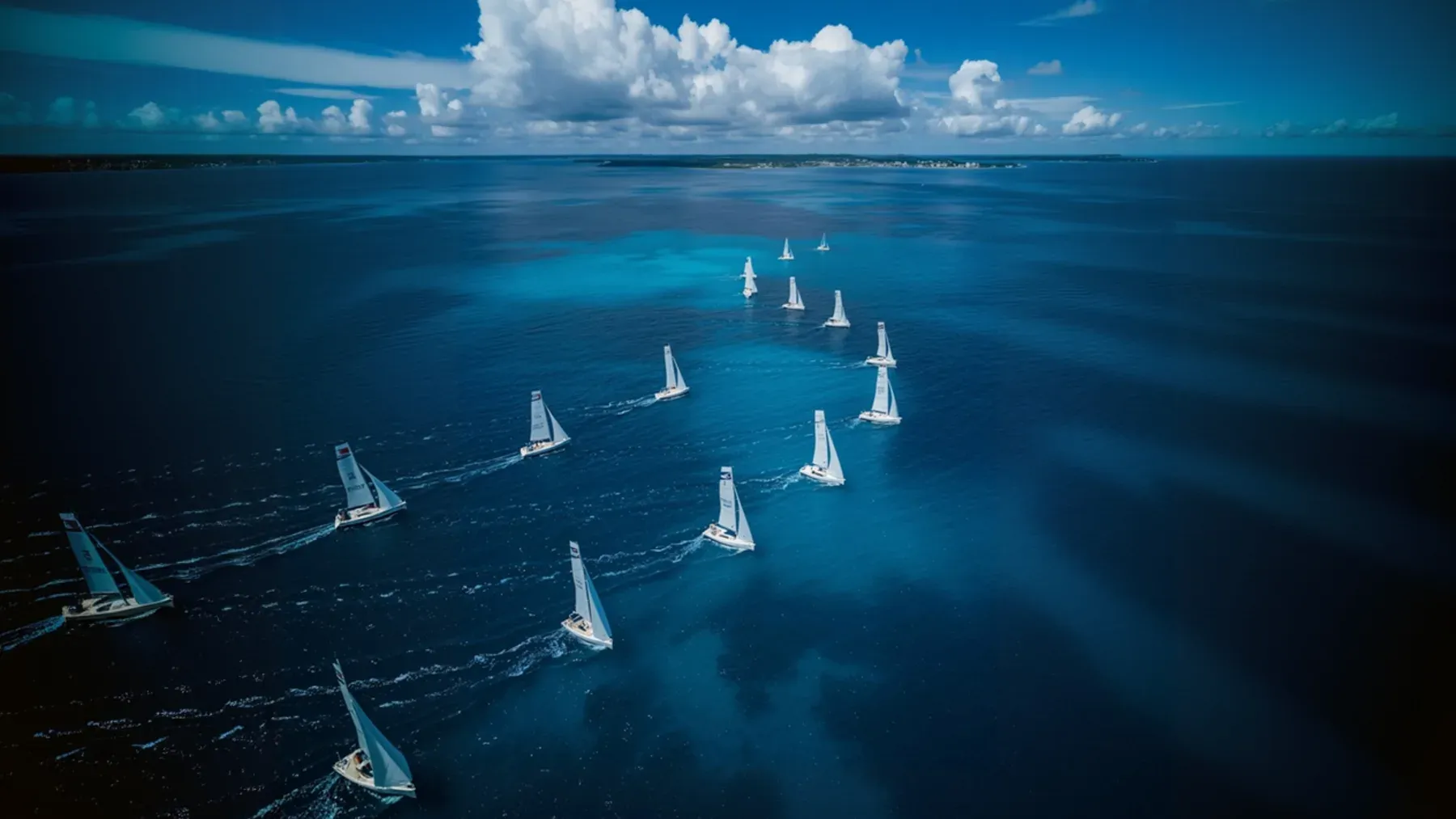
Chart the Voyage in NovelOS Studio
NovelOS Studio gives vessel systems, crew, magic, resources, geography, and chronology one local-first project.
- Build captain, crew, island residents, authorities, duties, skills, fatigue, loyalties, and thresholds through The Oracle and Cast & World. Represent command, watches, family, trust, contracts, and responsibility in Connections.
- Keep the vessel capability card, passage ledger, resource couplings, ports, currents, weather research, maritime cultures, and sea-magic causality inside The Architect. When the captain still has several credible options, Spark can develop routes or payments for later testing against the voyage.
- Arrange watches, forecasts, damage, repairs, ration changes, decisions, and landfall in The Blueprint. Compare distance, speed, tides, storm movement, dawn questions, supply thresholds, and required rest along its chronological view.
- Draft embodied work and close shipboard relationships in Manuscript, then consider revisions through Alchemist while retaining the writer’s final judgment.
- Use goals and trackers for voyage milestones, research, resource continuity, word counts, and revision. Editorial Foundry handles production as EPUB or PDF, reviewer-friendly DOCX or RTF, adaptable Markdown or TXT, and a self-contained HTML book.
The studio runs as a Windows or macOS desktop application. Its archive action creates a portable .novelos project for safekeeping and later import elsewhere. Personal licensing has no device limit. Mobile access is still planned.
Nautical fantasy succeeds when wonder must cross real water. NovelOS Studio keeps every magical promise connected to hull, crew, route, weather, supply, and consequence from departure through landfall.
Sources and further reading
- International Maritime Organization, “Seafarers’ Hours of Work and Rest”: watch arrangements, rest, fatigue prevention, and fitness for duty.
- International Maritime Organization, “Principles of Minimum Safe Manning”: qualified crew, safe navigation and operations, cargo, welfare, and fatigue.
- NOAA Ocean Exploration, “What Causes Ocean Waves?”: wave energy, wind-driven surface waves, shallow-water steepening, and hazardous conditions.
- NOAA Marine Navigation, “Real-Time Observations”: winds, waves and swell, visibility, water levels, currents, and other conditions relevant to mariners.
- Lisa A. Buckley, editor, Eighth Day Genesis: A Worldbuilding Codex for Writers and Creatives, PDF pages 46 to 48: pervasive speculative consequences, complex causal systems, and unintended effects.
- Lummi: Sailboat on Open Sea, Serene Maritime Scene With Sailboats, and Sailboats on Blue Ocean. Each exact record was checked as free, non-Pro, and available before conversion.