Food Scarcity Changes the Whole Story World
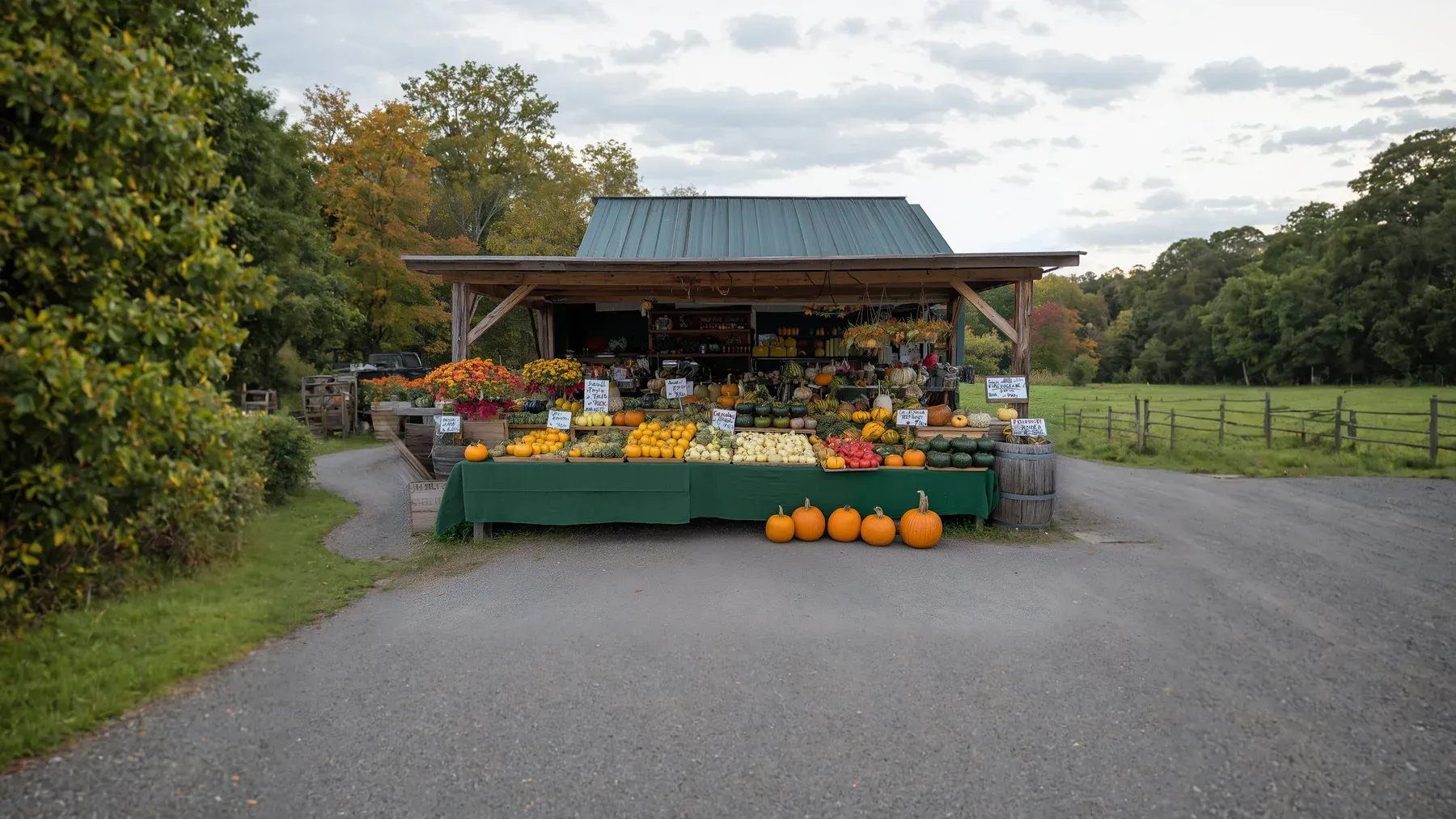
Food scarcity in fiction should change routes, prices, work, law, family decisions, and political power long before every plate is empty. A believable shortage may begin with a failed crop, yet the harvest is only one part of the system. Food must also be processed, stored, transported, sold or allocated, prepared safely, and kept accessible through the next disruption.
That is why a crowded market does not prove that a city is food secure. The shelves may be full while wages collapse. Grain may wait upriver while a damaged bridge stops delivery. A household may receive enough calories while lacking clean water or cooking fuel. A protected district may eat normally while another loses its ration office. Scarcity describes how supply reaches people; a single image of absence cannot explain it.
The Food and Agriculture Organization organizes food security around four connected dimensions: availability, access, utilization, and stability. Those dimensions give a novelist a stronger model than a general declaration that food is running out. They also answer a practical worldbuilding question: what changes first during a food shortage? Usually the first visible change appears at the weakest link for a particular household. It might be price, travel time, portion size, diet quality, queue length, or confidence that tomorrow’s meal will exist.
This guide uses an unnamed river city dependent on barley from an inland plain. A dry season reduces the harvest, but the city still has warehouses, imports, fishing boats, public kitchens, and private reserves. The story begins when those resources stop reaching people in the same way.
Build a Four-Part Food Ledger
Start by separating the shortage into four columns. This prevents one cause from carrying more explanatory weight than it can support.
- Availability: What food physically exists through production, stocks, imports, trade, aid, hunting, fishing, or magic?
- Access: Who can reach and afford it? Include wages, prices, distance, permits, discrimination, danger, and social connections.
- Utilization: Can people store, prepare, share, and absorb the food safely? Water, fuel, sanitation, health, dietary diversity, and household allocation matter here.
- Stability: How likely are the other three conditions to persist through seasons, conflict, inflation, storms, or political change?
Apply all four to the same staple. Barley remains available after the dry season because public granaries hold last year’s crop. Access deteriorates when the council auctions grain to licensed mills and prices rise. Utilization weakens when charcoal is diverted to metalworking, so households cannot cook hard grain efficiently. Stability fails because the next planting has also been delayed. The city can look calm today while moving toward a worse shortage.
This ledger creates different plot interventions. Opening a warehouse addresses immediate availability. Wage payments or vouchers may improve access while markets still function. Fuel deliveries change utilization. Seed protection and repaired irrigation improve future stability. A single miraculous harvest cannot resolve every column.
Add agency as a fifth question: who decides what food is produced and how it is distributed? The FAO’s recent food-security work recognizes agency and sustainability alongside the established four dimensions. In fiction, agency determines whether people can choose culturally acceptable food, challenge an allocation rule, keep seed for next year, or refuse a dangerous relief condition. A ration can prevent hunger while also becoming an instrument of control.
The ledger should remain behind the prose. Readers do not need a policy briefing in chapter two. They need consequences that accurately point back to the system. A miller rejects damp grain. A family trades its lamp oil for a sack that will take more fuel to cook. A public kitchen changes serving hours after losing water pressure. Each detail shows which column has failed.
Give viewpoint characters only the knowledge their position permits. A dock clerk sees manifests and delayed barges. A household cook knows which substitutions stretch a meal. A council aide reads reserve totals but may misunderstand the informal market. Partial knowledge produces discoveries and mistakes while the author’s complete ledger keeps the causes coherent.
Trace One Staple from Source to Spoon
Choose one staple and draw its route. The purpose is to locate bottlenecks, ownership, time, and loss. The barley in the river city passes through seed selection, planting, irrigation, harvest labor, threshing, transport to a riverside mill, grinding, bagging, barge shipment, warehouse storage, bakery allocation, and neighborhood sale. Every transfer has a capacity and a gatekeeper.
The World Food Programme describes supply as a sequence of planning, procurement, transport, storage, and delivery. For a novel, extend that sequence in both directions. What inputs does production require? What happens after delivery? A sack in a depot still needs a safe route, a recipient list, cooking fuel, water, time, and a household decision about who eats first.
Use a compact balance sheet for each important location:
opening stock + arrivals + local production - spoilage - seizure - sale or allocation = closing stock
Exact numbers are optional. Relative quantities still matter. If a warehouse holds twenty days of flour and a delayed convoy carries ten more, destroying the convoy should change the deadline. If a temple kitchen serves five districts, doubling demand should affect portions, hours, staffing, or the number of people turned away. Scarcity becomes credible when quantities constrain choices consistently.
Now test each link for four properties:
- Capacity: how much can pass through in a day or season?
- Delay: how long does movement, processing, or repair take?
- Control: who can allow, tax, redirect, steal, or stop the flow?
- Loss: what is consumed by spoilage, pests, weather, waste, corruption, or violence?
A river blockade can leave grain available inland and absent in the city. A mill failure can make unprocessed barley cheap near farms while flour becomes expensive downstream. A rumor about warehouse contamination can create a run before any test result exists. Each version produces a different shortage and therefore a different story.
The local reference Eighth Day Genesis makes a useful worldbuilding point when it asks writers to trace ordinary products back to animals, land, technology, and place. Food on a menu implies nearby production or a transport system capable of hiding it. Cities intensify that dependency because most residents specialize instead of growing their own food. When supply breaks, the city’s division of labor becomes visible.
Make Scarcity Arrive at Different Speeds
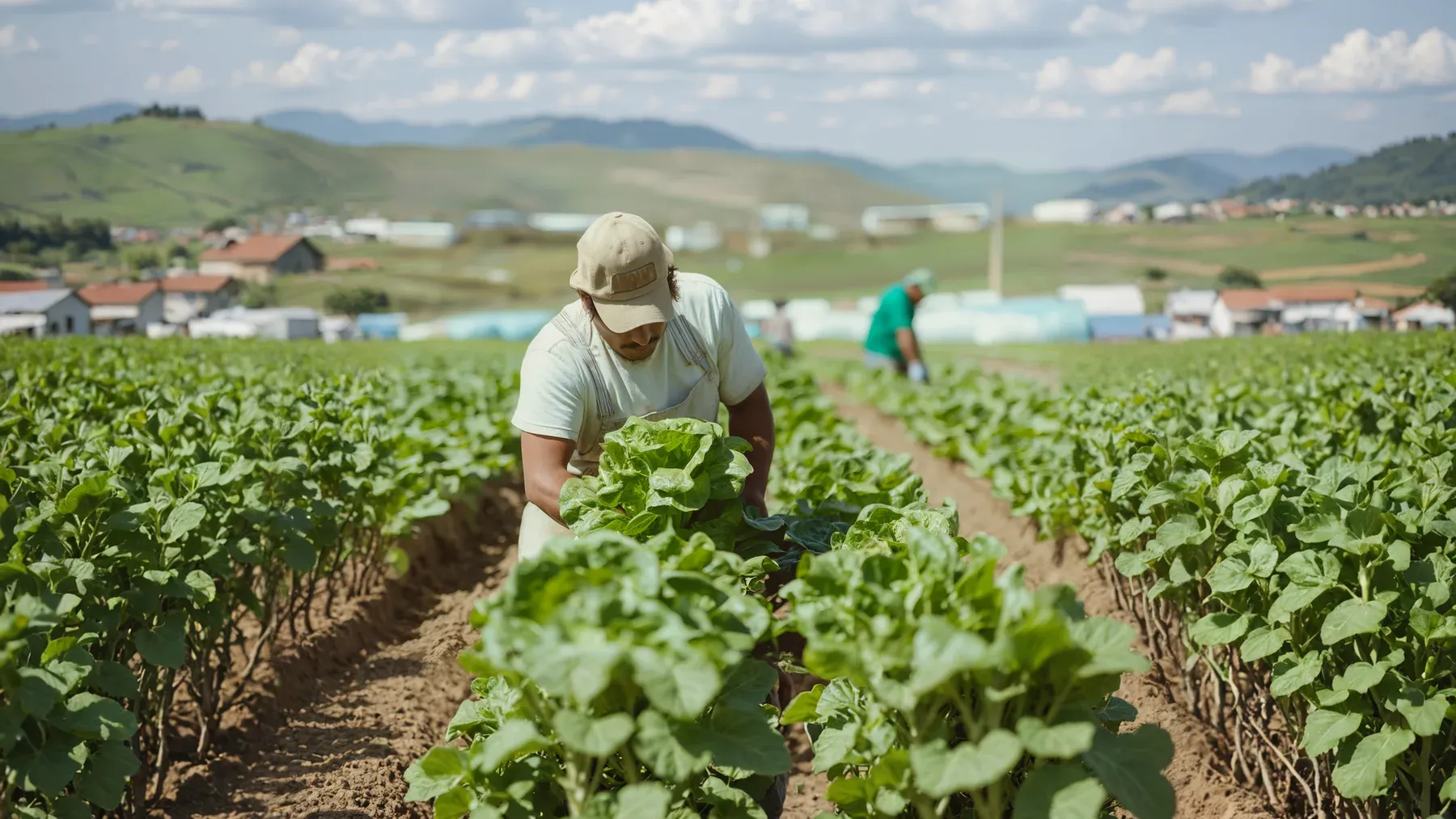
Shortages are unequal in timing as well as severity. A wealthy household experiences higher cost, then substitution, then inconvenience. A daily-paid laborer may lose access as soon as prices rise. A farmer can produce food and remain hungry when rent, debt, requisition, or an unequal contract takes the harvest. A soldier may eat regularly while their family queues. Someone with a disability may be unable to reach a relocated distribution point even when their ration remains legally available.
Write a coping ladder for each major household or group. A plausible sequence might move through these stages:
- buy the usual food at a higher price
- substitute a cheaper grain or reduce variety
- use savings, sell small goods, or take extra work
- reduce adult portions to protect children
- borrow through family, employer, lender, temple, or criminal network
- sell productive assets such as tools, seed, transport animals, or land
- migrate, join an armed group, accept exploitative work, or break the law
Place characters on different opening rungs. The warehouse owner can wait for prices to rise. The baker has access to flour while facing regulation and public anger. The dock guard receives meals as part of employment. The fisher’s household has protein yet lacks grain and cooking oil. These differences create exchanges, resentments, and dependencies before open violence begins.
Time itself becomes scarce. Queuing removes paid hours. Searching for fuel lengthens meal preparation. A longer walk to a functioning market creates exposure to weather, patrols, harassment, or theft. Care work expands as illness and weakness increase. Show these costs because they explain why an apparently small price rise can reorganize a household.
Substitution should be culturally specific. People may stretch barley with ground roots, eat a food associated with poverty, revive an older preservation method, or reject relief that violates a religious rule. The nutritional value of a substitute and its social meaning are separate questions. One character calls a dish humiliating because it recalls a previous occupation. Another sees the same recipe as proof that grandparents survived.
The household is also a distribution system. Who serves the food? Who claims not to be hungry? Who controls stored grain? Who receives the most energy because their labor is considered valuable? A bowl can expose gender, age, status, disability, affection, and fear without a paragraph explaining the entire class order.
This is where active setting becomes causal. The food environment changes what a character can attempt, which route is safe, how long a task takes, and what a promise costs. The shortage stops decorating the world and begins directing the scene.
Turn Distribution Rules into Plot
Institutions respond to shortage through rationing, price controls, requisitions, imports, public kitchens, cash transfers, seed reserves, convoy protection, and restrictions on movement or trade. Choose the policy according to what leaders believe caused the problem. A council expecting one poor harvest may release reserves slowly. A government fearing invasion may prioritize soldiers and transport animals. An administration protecting its reputation may hide queues and punish rumors.
Every policy needs a unit of entitlement. Rations might follow household size, age, occupation, residence, citizenship, military service, health, loyalty, or political rank. That unit immediately creates paperwork and conflict. A family whose absent member remains registered may receive more than its neighbors. A refugee without an address may receive nothing. A dead worker’s card becomes valuable. A clerk who can alter one line gains dangerous power.
Then define the enforcement chain. Who prints the cards, guards the warehouse, weighs the flour, hears appeals, investigates fraud, and reports losses? A law written in the capital becomes a series of human decisions at the counter. Corruption can enter at any point, but incompetence, delay, and conflicting duties can cause equal damage.
Informal systems grow beside formal ones. Families pool rations. Bakers make underweight loaves. Farmers hide seed from requisition officers. Smugglers cross district lines. Religious kitchens favor members. Mutual-aid groups discover which officials can be trusted. These systems should have their own costs and rules. A black market can keep people alive while increasing debt and violence. A relief kitchen can build solidarity while giving its organizers political leverage.
Information is part of distribution. Publishing reserve totals may calm buyers or trigger a run. Concealing them may prevent panic while protecting theft. Officials can redefine loaf size so production targets appear unchanged. Characters may trust a market rumor more than a proclamation because the rumor accurately predicted the last closure.
Connect policy to the central conflict. An apprentice ration clerk discovers that occupation codes on bread cards are being used to test how far portions can fall before each district resists. Their sibling is accused of stealing cards after noticing the pattern. Now rationing drives the investigation, determines who will speak, and gives the institution a reason to suppress evidence. The food system is the machinery of the plot.
Resolve the cause you established. Arresting a corrupt official does not reopen a blocked river. Distributing one reserve does not replace seed eaten during winter. A magical feast may save lives tonight while leaving land ownership and fuel access unchanged. The ending can improve one column of the food ledger and leave another as the next political problem. Readers usually accept partial repair when the limits are clear.
Conflict works best when every side can pursue a concrete outcome. The farmer wants prices high enough to repay debt. The baker wants affordable flour and freedom from punishment. The guard believes orderly allocation prevents a lethal rush. The smuggler sees illegal transport as the only route serving an excluded district. Their aims collide through the same sacks of grain.
Carry the Shortage Through NovelOS Studio
Food scarcity touches geography, institutions, characters, chronology, scenes, and the final manuscript. NovelOS Studio keeps those layers connected while preserving the practical detail that makes the world believable.
- The Architect establishes climate, farms, waterways, mills, storage, markets, public kitchens, and the economic or magical rules governing supply.
- Cast & World records each household’s income, diet, work, health, legal status, private stores, cultural taboos, and position on its coping ladder.
- Connections maps who controls land, credit, transport, permits, kitchens, and informal exchange across the city.
- The Blueprint turns system failures into story events, from a reduced harvest to a price rise, altered ration, protest, theft, or migration.
- Scene Cards keep each meal or queue tied to an immediate objective, obstruction, choice, and downstream consequence.
- Timeline aligns planting, harvest, spoilage windows, reserve depletion, seasonal roads, policy changes, and household decline.
- The Manuscript brings the model back to sensory evidence: the coarser loaf, missing fuel, disputed card, or silence around a serving bowl.
- The Alchemist can help test whether an explanatory passage would work better as action, dialogue, or a shorter detail while the writer chooses every revision.
- Goals and writing trackers support a dedicated continuity pass for prices, portions, dates, travel times, and reserve levels.
Use the system to protect causality, then let characters experience it locally. Keep the full ledger behind the story while making the stall price agree with the barge delay, reserve policy, household wage, and season you established. For broader foundations, good worldbuilding connects rules to character choices instead of storing facts outside the story.
A memorable shortage has a traceable cause and an unequal human shape. Follow one staple, separate availability from access, track the coping sequence, and make every response create a new choice. NovelOS Studio helps you carry that logic from field and warehouse to law, household, scene, and finished manuscript, so one changed meal can reveal the condition of the whole world.
Sources and further reading
- The Four Dimensions of Food Security, Food and Agriculture Organization of the United Nations: availability, access, utilization, and stability.
- About the Food Insecurity Experience Scale, Food and Agriculture Organization of the United Nations: measuring constrained food access and the additional importance of agency and sustainability.
- What Is Food Security?, World Food Programme: interacting causes of food insecurity and practical distinctions among use, access, availability, and stability.
- Supply Chain, World Food Programme: planning, procurement, transport, storage, delivery, and last-mile access.
- Eighth Day Genesis: A Worldbuilding Codex for Writers and Creatives, pages 117-120 and 127-130: tracing food and animal products to local production, transport, technology, urban specialization, and marketplaces.
- Image references from Lummi: Vibrant Outdoor Market Stall, Focused Farmer Harvesting Crops, and Cafeteria Line Gathering.