A Coronation Scene Is a Public Test of Rule

A coronation scene is the public conversion of a disputed human being into a recognized ruler. The crown matters because institutions, communities, rivals, and witnesses agree, or are compelled to act as if they agree, that its wearer may now exercise specific powers.
That makes coronation useful for story. A procession can reveal rank. An oath can restrict future policy. A presenter can withhold an object. One altered word can announce a constitutional struggle. A faction that refuses the expected gesture can force the future ruler to choose a governing method before formal rule has even begun.
The direct answer to how to write a coronation scene in fiction is to give every major ritual act a political function: identify the claimant, secure recognition, state the ruler’s obligations, transfer symbols of office, gather public assent, and prove that the new authority can make something happen. Description becomes dramatic when each image changes status or exposes resistance.
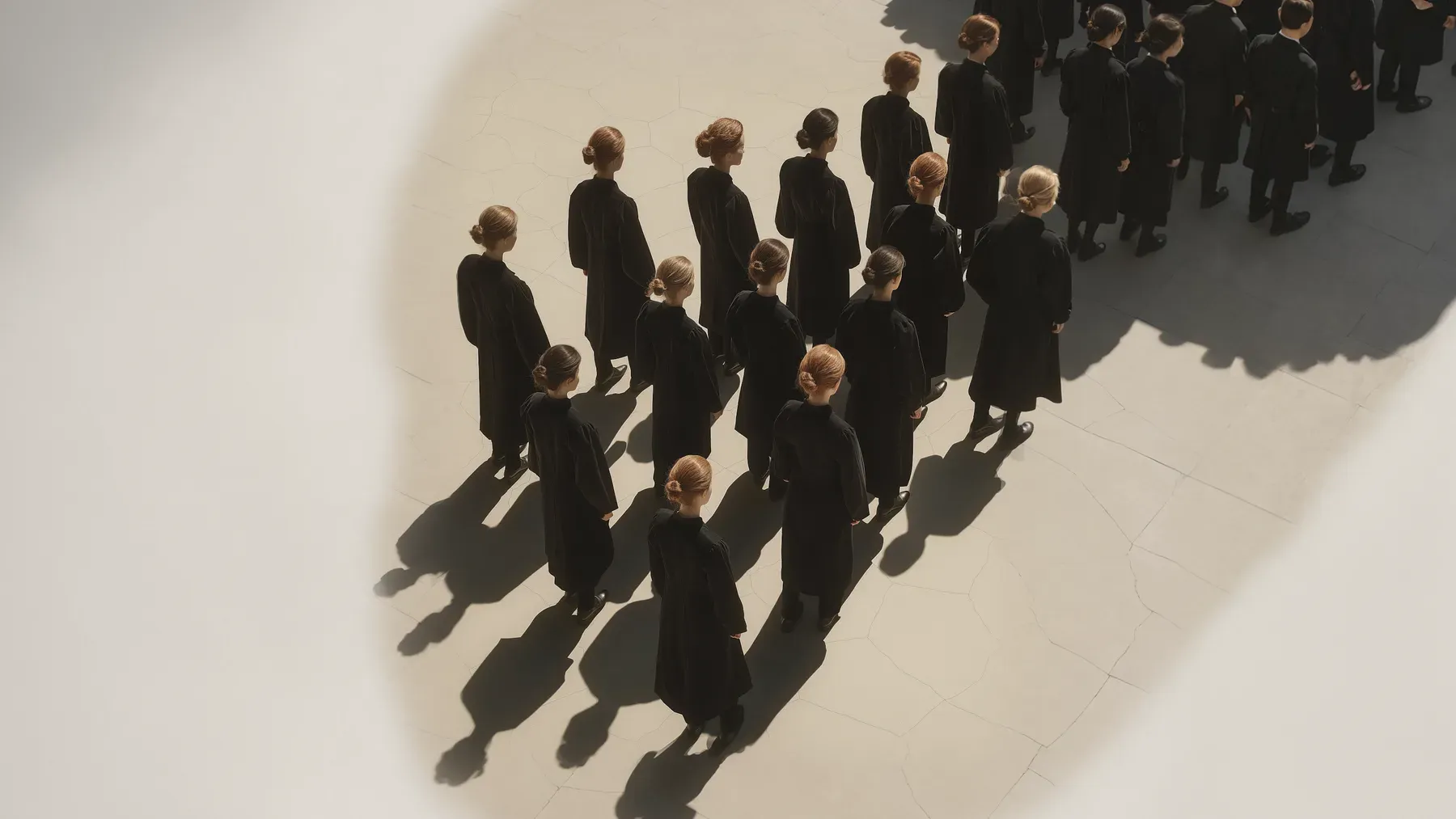
Picture an heir waiting inside a circular hall while a religious keeper raises an iron crown. Delegates from the eastern river provinces remain standing after every other delegation kneels. They claim the previous ruler seized their forts in violation of a treaty. The blessing cannot proceed while dissent remains inside the sacred boundary.
The heir can call guards, revise the oath, pause for negotiation, or accept an incomplete rite. Each response creates a different reign.
Begin With the Power That Already Exists
Before inventing robes and regalia, decide what the claimant can do on the morning of the ceremony.
In some systems, succession is immediate at a predecessor’s death. The coronation confirms and sanctifies a ruler who already possesses legal authority. Elsewhere, election, recognition, an oath, anointing, possession of an object, or entry into a capital may complete the transfer. A conqueror may control the army while seeking religious legitimacy. A child may hold the title while a regency controls every usable instrument of rule.
Write a one-paragraph answer to four constitutional questions:
- What made this person the claimant?
- Which powers are already available?
- Which institution can still deny recognition or implementation?
- What becomes possible only after the rite?
For the river heir, hereditary law establishes the claim and the palace guard already obeys. Provincial taxes, temple recognition, and the legal right to appoint fort commanders begin only after the oath and collective acclamation. Those distinctions tell the writer what can be threatened during the scene.
Legitimacy can come from several sources at once: bloodline, election, conquest, divine favor, law, popular assent, military capacity, wealth, ancestral continuity, or effective government. Put a representative of each important source in the room. The judge reads succession law. The religious keeper administers the vow. Delegates recognize the provinces. A commander presents a restrained sword. A guild offers the city keys. Citizens answer the final call outside.
This is also where a coronation differs from a generic royal party. Celebration assumes status. Coronation constructs, confirms, or contests it.
The 2023 British coronation offers a useful real-world example of functional sequence. Its official order distinguishes Recognition, oath, anointing, presentation of regalia, crowning, enthronement, and homage. A fiction writer can study those jobs without importing the theology or constitution. Ask what equivalent functions the invented society needs and who has authority to perform them.
Turn Each Ritual Beat Into a Warrant
A warrant is the reason the audience accepts that an act has authority. The metal object alone does not rule. Its presenter, history, prescribed use, and public interpretation make it meaningful.
Build the ceremony as a chain of warrants:
- The judge names the heir under the succession statute.
- Four provincial speakers recognize the claim.
- The heir vows to preserve water access and chartered courts.
- The keeper anoints the heir as guardian of the river covenant.
- The commander exchanges an unsheathed blade for a bound sword, placing force under law.
- The iron crown transfers custody of the rebuilt realm.
- Public acclamation makes the result audible beyond the hall.
For each beat, record the performer, object or words, status before, status afterward, beneficiary, and possible failure. This prevents a long ceremony from becoming a costume catalogue.
Regalia should have a chain of custody. Who stores the crown? Who may touch it? What happened when it was previously withheld? The iron came from a bridge destroyed during civil war. The sword binding was added after an earlier monarch arrested opponents under coronation guard. The city keys once stayed in guild hands during an occupation.
Put such history into action. A delegate touches a scar in the crown. The commander tests the sword knot before surrendering it. The heir notices that one key is missing. Readers learn the world while somebody evaluates the present risk.
Oaths are especially valuable because they create language that later factions can enforce or reinterpret. “No provincial water shall be held against its people” might require returning the forts, or it might justify retaining them to prevent an enemy from controlling the river. The coronation plants a future dispute in a sentence everyone heard.
Maurice Broaddus’s chapter in Eighth Day Genesis emphasizes that customs and rites distinguish peoples, while Graham Storrs advises revealing government through live circumstances rather than having citizens explain familiar institutions to one another. A coronation naturally combines both ideas. The reader learns the constitution because participants attempt to use it.
Let the Witnesses Read Different Ceremonies
The hall contains several audiences even when everyone faces the same throne.
The eastern delegates watch for treaty recognition. The army watches for continuity of command. The temple watches its exclusive authority to bless. Merchants watch whether the heir confirms port privileges. A foreign envoy records deviations as evidence of weakness. Citizens outside hear only selected parts and may interpret silence as refusal.
Assign each visible faction three pieces of information:
- the result it wants from the day
- the sign it will treat as proof
- the action it can take if disappointed
The temple wants the rite completed under its authority; only the keeper can lower the crown; it can postpone the blessing. The army wants the forts held; the unchanged military title signals continuity; the commander can delay implementation of an order. Eastern delegates want a formal review; kneeling is their grant of recognition; they can depart and withhold provincial levies.
This approach makes reactions readable. The writer does not need five named courtiers whispering explanations. A delegate stays upright. A commander places a hand on the bound sword. The keeper stops the crown in midair. A clerk leaves a blank line in the record.
The guide to political intrigue through competing leverage expands this principle: power becomes visible through capacity and cost. A faction matters when it can affect the desired outcome and must risk something to do so.
Use viewpoint to filter ceremony. The heir notices the altered kneeling order, the missing title in the proclamation, and the commander’s position relative to the doors. A visiting diplomat would notice protocol breaches and foreign implications. A servant might notice access, labor, food, and who is permitted close to the body of the ruler. The same rite tells a different political story through each observer.
Make the Disruption Attack a Required Function
An interruption is meaningful when it threatens something the rite must accomplish. A dropped goblet or fainting guest creates activity. A withheld recognition, disputed oath, missing seal, unauthorized claimant, or silent crowd attacks legitimacy.
The eastern delegates’ refusal blocks collective recognition. The heir cannot simply continue as if the gesture were decorative. Calling guards may produce compliance while proving that provincial assent is coerced. Postponing may preserve ritual integrity and advertise weakness. Negotiating may elevate the delegates’ claim. Revising the oath may bind the new reign before policy has been studied.
This creates a governing problem rather than an etiquette problem.
Let the disruption grow from earlier conditions. Readers should already know that the forts are disputed, provincial harvests fund the capital, and the late ruler treated disagreement as disloyalty. The coronation concentrates those pressures in one room.
The heir’s solution should use powers and constraints that exist in the setting. They add a forty-day review to the oath, with one judge chosen by the provinces and one by the army. Fort transfer is suspended until the spring flood recedes. The delegates kneel to the revised process without conceding the territory.
That compromise does several jobs. It allows the rite to proceed, limits immediate violence, gives the provinces a recognized claim, creates a deadline, and angers the commander. It also reveals the heir’s governing instinct: procedural legitimacy purchased with future risk.
Avoid an interruption that disappears when the music resumes. The clerk records the changed words. Foreign envoys transmit competing accounts. The review must later occur. If nobody can invoke the moment again, it was pageantry with a suspense insert.
Finish With Authority Meeting Implementation
Crowning supplies a title. Rule appears when another person changes behavior because of an order.
Give the newly crowned ruler a first exercise of authority connected to the conflict. A pardon, appointment, dismissal, investigation, charter, military command, or release of grain can transform ceremonial promises into policy.
The river ruler creates the review commission and temporarily removes a relative from command of the disputed forts. The relative surrenders the seal but orders an aide to send a private message first. The temple keeper objects that decrees normally follow the final acclamation. The army obeys in the hall while questioning whether the capital can replace command before flood season.
That response distinguishes formal power from implementation. A ruler may possess legal authority while depending on clerks, soldiers, judges, governors, messengers, and communities to make it real.
Close the public sequence on changed positions rather than applause. Who signs? Who kneels at last? Who leaves before the feast? Who keeps an object that should have been surrendered? Which account reaches the street?
Follow at least one account beyond the hall. The palace proclamation says the provinces renewed their loyalty. An eastern broadsheet says the ruler formally admitted that the forts are disputed. A merchant letter praises the delay because war would close the river market. These reports need not become a separate exposition scene. A headline, messenger, or overheard toast can show that public authority depends partly on interpretation. The gap between the recorded rite and its circulating versions gives later opponents language they can reuse.
Then give the ruler one private consequence. The crown has cut the scalp. A familiar attendant uses the new title and waits instead of speaking freely. The ruler cannot remember the revised sentence exactly and asks for the clerk’s copy. Public transformation enters the body and relationships.
The article on a ruler losing power follows the inverse movement, which makes it useful for revision. Ask whether every source of authority assembled at coronation could later weaken separately. Law may remain while military obedience fades. Sacred status may survive while popular consent collapses. The scene is laying out the future fault lines of the reign.

Govern the Ceremony in NovelOS Studio
NovelOS Studio can hold the ritual, institutions, political actors, and future obligations as one novel rather than scattering them across disconnected notes.
- Define claimant, keeper, judge, commander, delegates, guild representatives, and foreign witnesses in Cast & World, including what each person wants from coronation day.
- Map recognition, patronage, rivalry, family succession, military allegiance, and institutional dependency with Connections and Genealogy.
- Build provinces, treaty history, temple jurisdiction, succession law, regalia, sacred boundaries, trade, and fort geography in The Architect. Cartography can show why the river dispute matters.
- Explore alternative disruptions, oath language, and first decrees in Spark Ideation before committing the politically strongest combination.
- Sequence every status change with Blueprint and Timeline View. Scene Cards can record viewpoint, participants, location, purpose, the interruption, revised conditions, and later payoff.
- Draft the filtered sensory experience in Manuscript while the cast and political structure remain available through entity references.
- Use The Alchemist during revision to examine over-explained ritual language, repeated reactions, or a compromise whose consequences need clearer prose.
- Set the chapter or revision target in Progress and Goals, then prepare review and publication editions through Editorial Foundry.
- Keep the project local on Windows and macOS. A
.novelosarchive can export and import the connected manuscript and planning material between your own licensed computers.
A strong coronation does more than place a crown. It tells readers who claims power, who recognizes it, what promises constrain it, and whether anyone will carry out the first command. When each ritual beat changes a relationship or obligation, pageantry becomes plot.
Build the ceremony and the reign it creates in NovelOS Studio. Keep every warrant, witness, and future test connected in NovelOS Studio.
Sources and further reading
- The 2023 Coronation Service order and sequence
- Official authorised liturgy for the 2023 coronation
- Ceremonial roles and presenters of regalia
- Maurice Broaddus and Graham Storrs in Eighth Day Genesis: A Worldbuilding Codex for Writers and Creatives: ritual, government, and revealing institutions through active circumstances.
- How to do good worldbuilding