A Festival Scene Has a Public Script and a Private Itinerary
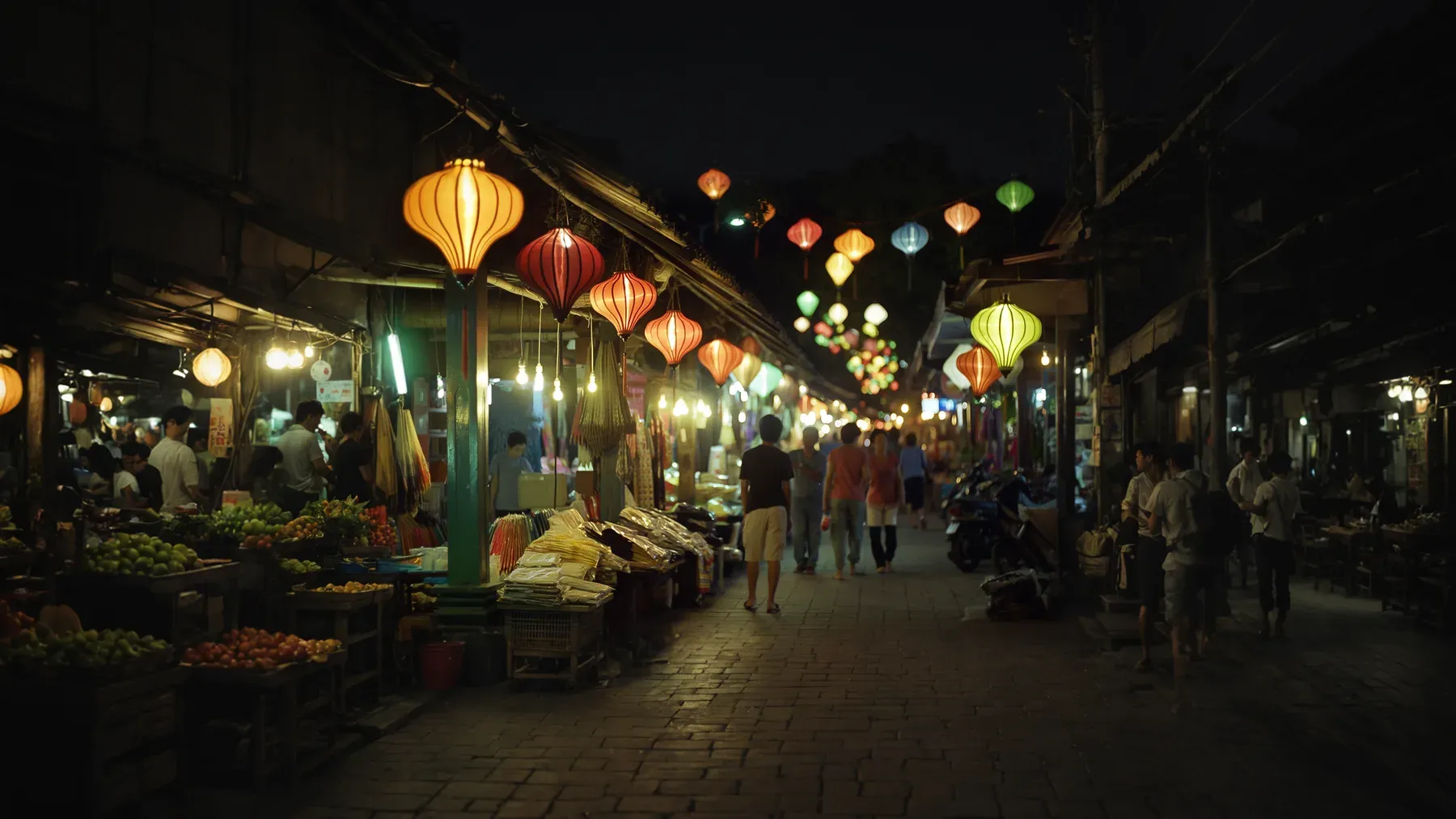
A festival scene advances the plot when two structures run at once. The community follows a public script of preparation, procession, performance, exchange, and closure. The viewpoint character follows a private itinerary with a destination, deadline, and decision. Each festival stage changes the character’s available routes, permissions, witnesses, and costs.
That answer matters because visual abundance can hide a weak scene. Lanterns, music, costumes, food, and crowds create atmosphere. They do not create causality by themselves. A working fictional festival makes the protagonist use the celebration’s customs and infrastructure to pursue something that ordinary life would keep out of reach.
Imagine a floodplain town holding its annual Night of Returning Lights. Residents hang lanterns above the market, bake braided loaves in household ovens, carry neighborhood banners toward the river, and read the names of people lost in an old flood. At midnight they release lights from the rebuilt embankment.
An unnamed bakery worker needs the water council to suspend a demolition order against the oldest communal oven. The council chair attends only the final name reading, when any household that contributed bread may submit one public petition. The worker has one evening to prove the bakery’s eligibility, reach the reading, and decide whether to reveal that the disputed oven also caused a recent fire.
Start With the Inherited Script
Before plotting the character’s route, write the festival’s public script in one page. Record why the event exists, who recognizes its meaning, what sequence participants expect, which actions count as correct performance, and what changes once it ends.
UNESCO describes social practices, rituals, and festive events as shared activities that structure community life and reaffirm identity, history, memory, and worldview. Its guidance also emphasizes that living heritage changes as communities transmit it. Migration, tourism, economics, access to places or resources, and broad participation can all affect whether a practice continues.
That combination of continuity and change gives a novelist useful pressure. The Night of Returning Lights began as a household memorial after the flood. Bakers contributed survival loaves because ovens remained usable when kitchens were destroyed. Later councils turned the memorial into a tourism event. Hotels now sponsor the largest lanterns, while households displaced from the river district struggle to qualify for the petition ceremony.
Build the inherited script through six answers:
- Origin: Which event, season, belief, labor cycle, or political settlement does the festival remember?
- Repetition: Which sequence makes this occurrence recognizable as the same festival?
- Custody: Who teaches the songs, safeguards objects, decides correct practice, and grants access?
- Contribution: What time, material, money, knowledge, abstinence, or service must participants provide?
- Benefit: Who gains belonging, status, trade, spiritual assurance, legal access, or public visibility?
- Dispute: Which part has changed, and who considers that change renewal, theft, dilution, or exclusion?
The public script becomes dramatic when characters disagree over one of those answers. The bakery worker believes maintaining the communal oven fulfills the old obligation. The council measures contribution through current food-safety registration. Families from the former river district argue that a commercial permit cannot define who owns the memorial.
Use invented traditions carefully. Maurice Broaddus’s religion chapter in Eighth Day Genesis recommends developing ritual through a culture’s history, place, worldview, social organization, and stories. It also warns that practitioners occupy different positions inside a faith or tradition. Carry that variation into secular festivals too. One person can feel devotion, another professional duty, another family pressure, and another delight.
Audit the Work Beneath the Spectacle
Every festival is also a temporary production system. Someone closes streets, builds stages, prepares food, checks fires, moves waste, directs arrivals, treats injuries, repairs costumes, rehearses performers, transports elders, watches children, translates announcements, and cleans the site afterward.
The Smithsonian Folklife Festival describes its event as a research-based presentation of living traditions, with craftspeople, workers, cooks, storytellers, musicians, technical staff, volunteers, sponsors, signs, food concessions, and reconstructed settings. Its behind-the-scenes material calls the festival site a miniature city. That is a productive fiction model: treat celebration as a short-lived settlement with labor, supplies, rights, and failure points.
Draw a production chain for one signature element. For the survival loaves, the chain includes grain allocations, mills, household recipes, fuel, oven schedules, inspections, cooling racks, wrapping, delivery carts, contribution seals, and the volunteers who count loaves at the petition gate. A shortage or refusal anywhere along the chain changes the ceremony.
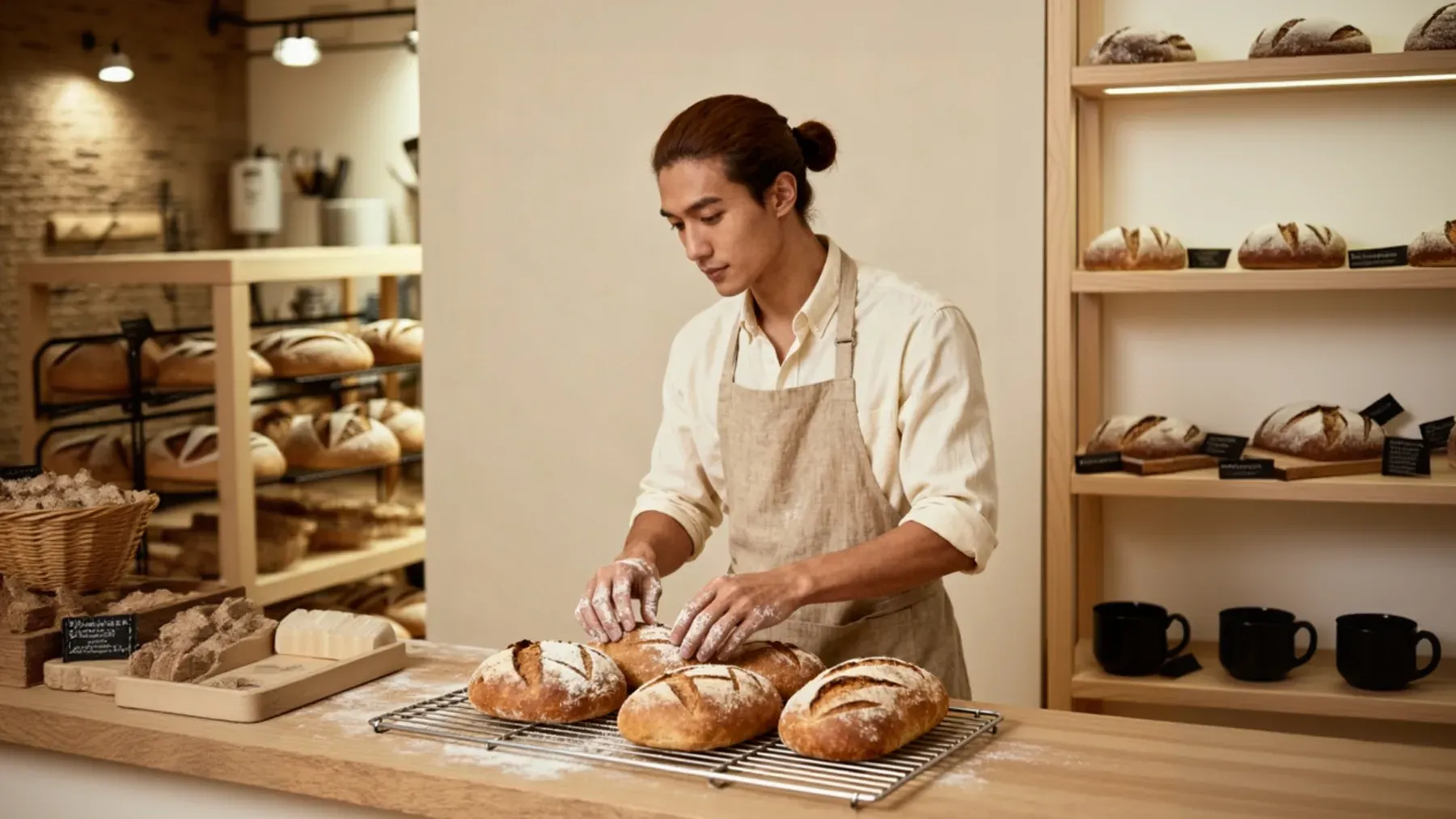
Assign knowledge unevenly. Visitors notice the smell of bread and the decorative braid. Bakers read the braid as a household signature. Inspectors recognize a batch made in an unregistered oven. Older residents know that the original flood recipe used a grain now absent from official loaves. Worldbuilding enters through what each person can do with the detail.
Labor also reveals power. Ask who is paid, who is expected to volunteer, who may sell, who cleans, and whose contribution earns ceremonial access. The worker’s bakery supplies hundreds of loaves yet lacks a current permit because the communal oven fails a new ventilation rule. A hotel kitchen contributes fewer loaves, sponsors a lantern, and receives a place near the council platform.
This does not require turning the festival into a lecture on exploitation. Let joy and inequity share the same street. The bakery crew can take pride in its craft, tease one another about bad braids, and resent the sponsor gate. Contradictory responses make the event worth preserving and worth contesting.
The guide to active setting in fiction can help make heat, smoke, street closure, river wind, and crowded worktables change decisions. A setting becomes active when its conditions alter the possible action, not merely when it receives more description.
Overlay the Character’s Itinerary
Now place the protagonist’s private route over the public script. Give the character an objective that requires the event’s temporary rules. Then make each festival phase open one opportunity and close another.
For the bakery worker, the itinerary has five stops:
- collect the final batch inspection at the communal oven
- deliver the required loaves before the neighborhood procession leaves
- locate two former residents who can verify the oven’s historical custody
- enter the petition line before the final name reading
- decide what to disclose when the council asks about the recent fire
Beside that list, write the event schedule: market opening, bread count, neighborhood assembly, banner procession, name reading, petition period, midnight release, and dispersal. Plot appears where the lists interfere.
The inspector delays the certificate until a cracked flue is examined. That delay misses the neighborhood cart, so the worker must carry baskets through the market. The former residents are watching a performance in a restricted sponsor area. The procession closes the direct river route. During the name reading, an injured vendor identifies smoke from the oven as the cause of the recent fire.
Use space with the same rigor as time. Official crowd-safety guidance divides events into arrival and entry, circulation within the site, and departure and dispersal. It recommends identifying zones such as entrances, viewing areas, attractions, facilities, and exits. A novelist can turn those operational categories into a clean scene map.
Mark only the locations the viewpoint can use: bakery court, market lane, sponsor garden, procession crossing, river platform, first-aid tent, and two exits. For each phase, note which routes are open, slow, one-way, guarded, or socially inaccessible. Readers remain oriented because obstacles come from rules already established.
Avoid convenient crowd density. If the worker cannot cross market lane during the procession, show barriers, opposing foot traffic, and stewards redirecting people. If a narrow passage opens later, tie the change to the schedule. The article on writing a riot through local crowd decisions offers additional techniques for group boundaries, circulation, information, and dispersal if the gathering becomes unstable.
Give Participation Consequences
A festival is stronger on the page when people perform culture instead of viewing it as decoration. Participation may grant standing, expose allegiance, create debt, test skill, authorize speech, mark adulthood, renew kinship, or place someone under a public obligation.
Design one participation rule using four parts:
- Entry condition: What must a person contribute, inherit, learn, wear, or renounce?
- Recognized action: What must they do in front of which witnesses?
- Immediate permission: What becomes available after successful participation?
- Durable trace: What record, relationship, mark, promise, or reputation survives the event?
The bread contribution satisfies the worker’s entry condition. Reading a flood victim’s name is the recognized action. The household then receives permission to petition. The petition and council response enter the town record, creating a durable trace.
Each part can fail differently. The loaves arrive and lack a valid seal. A relative disputes the worker’s right to read the family name. The petition is heard and dismissed as a safety matter. The council agrees verbally while the clerk refuses to record the exception. Failure stays specific, so the scene can turn without feeling arbitrary.
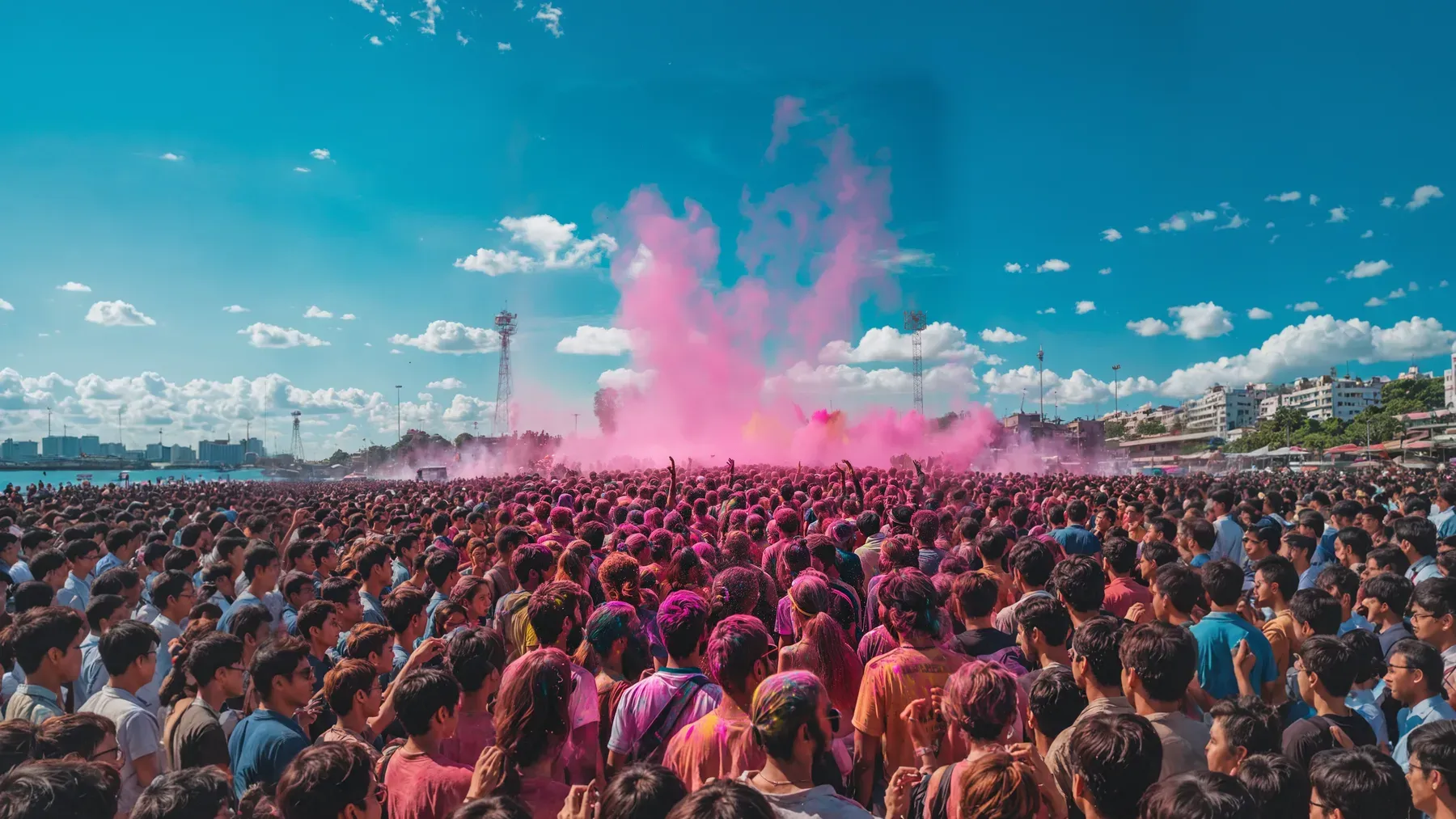
Public participation also rearranges relationships. A person who promised support in private may refuse to stand as a witness. A rival may defend the worker’s right to speak because excluding one household threatens every small bakery. A parent can oppose saving the unsafe oven and still correct an official who erases its role after the flood.
A festival petition differs from a royal installation, yet both use witnessed acts to create obligations. The guide to making a coronation transfer real authority shows how an object, phrase, witness, and institutional response can give ceremony consequences beyond spectacle.
Allow pleasure to perform narrative work. The worker tastes a loaf made from the old recipe and recognizes the missing grain. Children copying ceremonial braids reveal which family teaches them. A comic mistake in the procession delays the council chair long enough for a witness to arrive. Joy can transmit information, change willingness, and deepen attachment to what is at risk.
The final petition should use the whole festival. The worker can argue that the oven carries history, supports present labor, and fails a legitimate safety standard. The request therefore changes from “cancel demolition” to “place the oven under community custody, suspend use, fund repairs from festival sponsorship, and review it before the next bread count.” The solution grows from tradition, production, participation, and consequence.
Write the Morning After
Midnight closure does not erase a temporary city instantly. Routes reopen, visitors leave, workers count losses, waste accumulates, injuries require care, vendors settle accounts, organizers issue statements, and participants retell what happened.
Write a residue sheet with five columns: material, financial, institutional, relational, and narrative. The Night of Returning Lights leaves wax on the embankment, unsold bread, overtime costs, a recorded repair vote, a new bakery coalition, a strained parent-child relationship, and competing accounts of who saved the oven.
Residue prevents a festival from feeling like an isolated worldbuilding showcase. The worker returns to a cold oven under an official seal. Repair estimates exceed the council grant. The hotel sponsor offers equipment in exchange for naming rights. The injured vendor wants compensation. Former residents ask for seats on the new custody board.
The closing emotional beat can be modest. At dawn, bakery workers divide unsold loaves among cleanup crews. One ceremonial braid has split along the scorched side. The protagonist now knows the oven will survive only if the community changes how it uses, funds, and remembers it.
This aftermath also answers an AEO question readers often have: how do you include festival worldbuilding without slowing the story? Attach every cultural detail to preparation, access, movement, participation, or residue. A lantern marks a route. A recipe proves custody. A song controls procession timing. A public name creates standing. A broken oven generates the next objective.
Give the Festival One Home in NovelOS Studio
A festival joins cultural memory to workers, institutions, objects, routes, schedules, sensory prose, and later consequences. NovelOS Studio lets those parts remain one writing project rather than a stack of detached notes.
For this Night of Returning Lights, the studio can carry the event from inherited script to morning cleanup:
- Build bakers, former residents, officials, inspectors, performers, vendors, stewards, visitors, and family members with Cast & World and The Oracle. Record what the festival means to each person and what participation can cost them.
- Use Connections for household custody, guild membership, sponsorship, council authority, labor dependence, private promises, public witnesses, and debts created during the celebration.
- Keep the flood, memorial customs, petition law, safety rules, recipes, sponsor policy, market geography, embankment, oven, and event labor inside The Architect.
- Ask Spark for alternate petition failures, schedule collisions, witnesses, festival changes, or aftermath obligations while retaining the writer’s control over which version enters the story.
- Lay the public schedule beside the worker’s itinerary in The Blueprint and Timeline View. Track bread production, inspections, processions, route closures, the reading, the petition, the release, and cleanup without losing simultaneous causes.
- Draft sensory details through immediate purpose with The Manuscript. A focused pass in The Alchemist can address passages where atmosphere overwhelms action or custom arrives without consequence.
- Set research, continuity, drafting, revision, and word-count targets with Progress & Goals.
- Format the completed novel in Publish. Output choices include EPUB and PDF editions, editable DOCX and RTF files, Markdown, plain TXT, and a self-contained HTML book.
NovelOS Studio keeps this work local on Windows and macOS. When changing computers, package the manuscript and its connected planning material in a .novelos file, then import the archive on the other supported machine. The same license may be activated across the owner’s personal computers, with no fixed device ceiling.
A memorable festival has history before the protagonist arrives and consequences after the last light goes out. Plan the public script and private itinerary in NovelOS Studio, then make every beautiful detail earn its place by changing what the character can do.
Sources and further reading
- UNESCO Intangible Cultural Heritage, “Social practices, rituals and festive events”, on identity, memory, participation, transmission, change, access, materials, institutions, and continuity.
- Smithsonian Folklife Festival, “Mission and History”, on research-based presentation, community practitioners, participation, crafts, food, work, reconstructed settings, technical production, volunteers, and cultural effects.
- Smithsonian Folklife Festival, “Festival 101”, a behind-the-scenes account of the labor required to build, operate, and dismantle a temporary festival site.
- UK Health and Safety Executive, “Put crowd controls in place”, official guidance on arrival, circulation, departure, information, transport, and crowd movement.
- UK Health and Safety Executive, “Assess crowd safety risks and identify hazards”, official guidance on zones, routes, viewing areas, facilities, accessibility, and proportionate risk controls.
- Maurice Broaddus, “The Religious Order,” in Eighth Day Genesis: A Worldbuilding Codex for Writers and Creatives, local theory reference library, PDF pages 134 through 143 on worldview, ritual, tradition, commitment, story, social organization, rites, holidays, institutions, and differing practitioners.
- Festive Nightlife with Colorful Lanterns, Baker Arranging Bread, and Color Festival Celebration, Lummi free-use image records.