Let the Harvest Explain the World
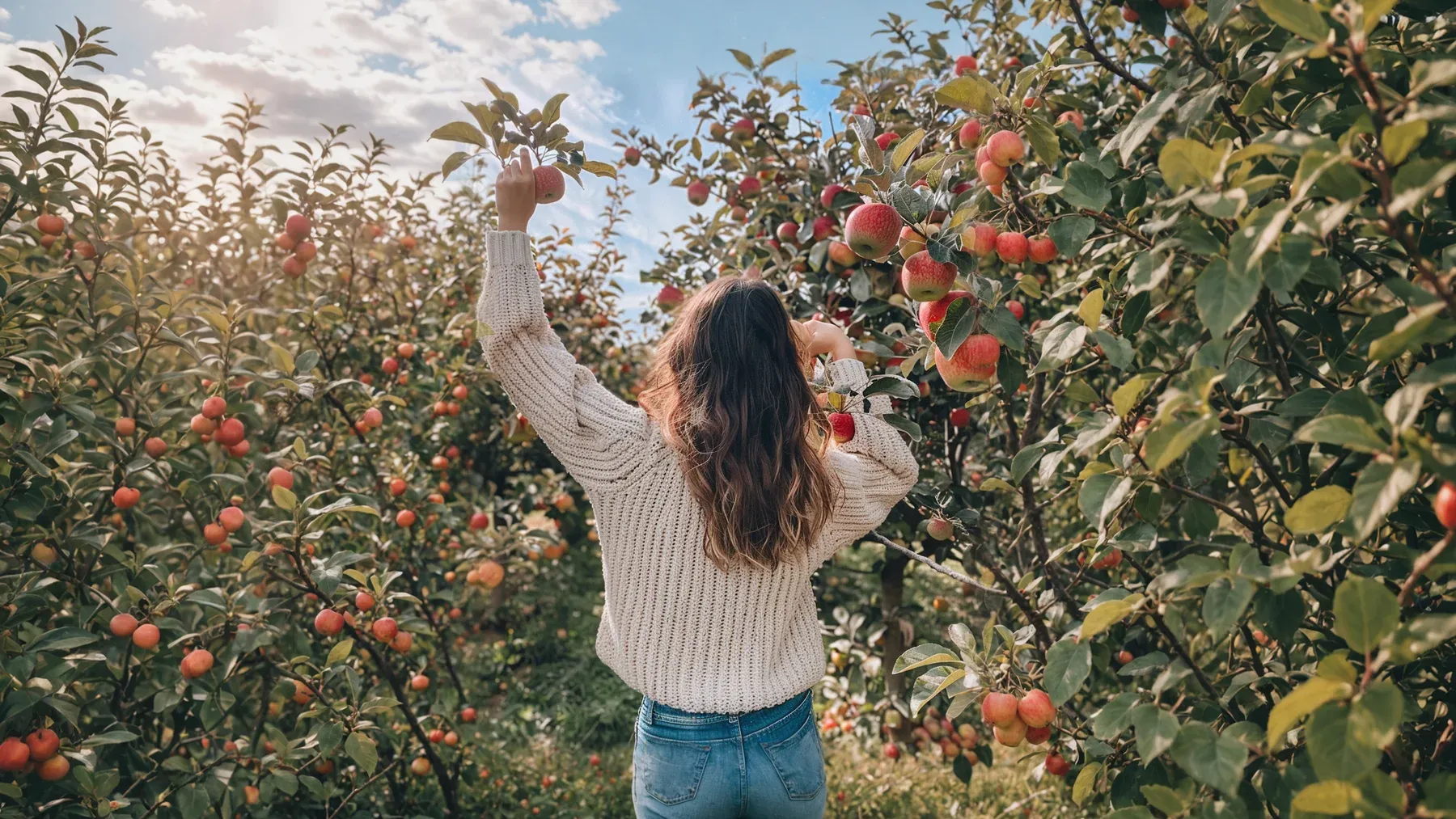
An orchard quarantine inspector arrives in a mountain valley three days before the pear harvest. The assignment is narrow: examine blackened branches, identify affected plots, and decide whether the trees must be burned. Yet one destruction order would cancel cider press contracts, erase the fruit used for a winter ancestor rite, and leave tenant families owing tax on a crop they are forbidden to sell.
The inspector does not need to explain the valley’s agriculture to the reader. The job makes the relevant parts unavoidable. A farmer cuts beneath the bark to show living tissue. A mill owner refuses fruit from one irrigation district. The temple keeper argues that the oldest trees cannot legally be burned before their offerings are gathered. Then the inspector finds the same grafting mark on healthy village trees and on saplings supplied by the royal nursery.
This is the practical answer to writing food and agriculture without an infodump: choose one crop, give a character a task inside its system, and reveal each fact when it changes the task. Agriculture becomes readable through work, timing, material evidence, ownership, processing, exchange, and eating. Readers learn how the world functions because somebody must decide what can be cut, moved, sold, saved, or served.
That focus also separates agricultural worldbuilding from a catalogue of invented dishes. Food on the table is the final visible result of land, water, organisms, tools, labor, law, transport, storage, and custom. You can design the whole chain for consistency while showing only the links that exert pressure on the current story.
Begin With a Job That Can Fail
Worldbuilding enters a scene cleanly when information is required for action. Give the viewpoint character a job with an observable result, limited authority, and a consequence for being wrong. The quarantine inspector must classify the disease before rain spreads it, but may sample only trees listed on the official survey. That restriction gives every agricultural fact a reason to appear.
The character’s job also controls the scale of explanation. An inspector notices lesions, graft unions, wind direction, tool cleanliness, and plot boundaries. A picker notices ripeness, bruising, ladder safety, piece rates, and who receives the first full basket. A cook notices storage damage, substitutions, fuel, portions, and whether the fruit will hold its shape. None of them naturally delivers a lecture on the entire valley.
Write four lines before drafting the scene:
- The work: What must be completed today?
- The standard: What evidence determines success or failure?
- The limit: What can this person inspect, spend, command, or know?
- The consequence: Who loses time, food, income, status, or safety if the decision is wrong?
For the orchard, the standard is a live cut beneath damaged bark plus a pattern across neighboring trees. The limit is the official survey. The consequence is destruction before harvest. A farmer’s objection can now teach the reader that roots share irrigation channels, grafting knives travel between plots, and tenancy lines do not match the path of disease. Each detail contests the decision.
Randy Ellefson’s Creating Life uses a similar principle when discussing how created-world information reaches a story. A world detail becomes part of character behavior and conflict instead of an author-centered explanation. Apply that principle to agriculture by making expertise active. A character diagnoses, bargains, repairs, conceals, tastes, measures, or refuses.
Technical vocabulary should arrive with the object or operation it names. The farmer says “rootstock” while pointing below the graft. The inspector asks for a clean pruning hook before making the cut. Context supplies enough meaning for the scene, and later use can deepen it. A paragraph defining every orchard term before anyone acts would reverse that useful order.
The viewpoint’s limits matter just as much as expertise. Our guide to character bias in setting description shows how responsibility determines what a person treats as relevant. An inspector may read a blackened twig as evidence and overlook the ribbon that marks a memorial tree. The keeper of the ancestor rite notices the ribbon first and may misunderstand the lesion. Their partial readings create friction while the writer’s private model keeps the facts compatible.
Put the Crop on a Clock
Agriculture is seasonal work, so its most useful story unit is a calendar rather than a timeless fact sheet. The Food and Agriculture Organization’s Crop Calendar records sowing or planting periods, harvest periods, and agronomic practices by crop and agroecological zone. For fiction, extend that idea into a chain of deadlines that characters experience.
The orchard’s year might include winter pruning, spring grafting, blossom and pollination, thinning, irrigation repair, pest checks, harvest, pressing, storage, and dormant-season treatment. Those stages do not need equal page time. Choose the stage where delay becomes irreversible.
Three days before harvest is useful because several clocks overlap:
| Clock | What becomes impossible after the deadline |
|---|---|
| Disease control | Rain can carry contamination into another irrigation district |
| Fruit quality | Pears left too long will bruise during transport and fail the storage grade |
| Labor | Picking crews are contracted to another valley next week |
| Ritual | The first-fruit offering must come from an ancestral tree before public pressing begins |
| Tax | The assessor closes the crop register on the final market day |
This table belongs in the writer’s planning. On the page, reveal the clocks through conduct. Workers sharpen tools after dark. Empty carts wait beside the road. The miller tests fruit that has not fully ripened. The temple keeper keeps asking when the inspector will release one tree. Urgency becomes visible before anyone states that harvest is close.
Calendar logic also prevents convenient agriculture. If the climax requires seed, the story must preserve seed before the hungry season. If irrigation repair takes six days, a character cannot restore the crop overnight. If a perennial orchard takes years to replace, burning it is different from losing one annual harvest. These intervals determine the scale of a promise, threat, and ending.
Use weather as a condition on work rather than atmospheric wallpaper. Rain closes a threshing floor, delays hay, spreads one disease, suppresses another, softens roads, and changes who can travel. Frost matters differently during blossom, fruit development, and dormancy. A farmer does not fear “bad weather” in the abstract. The fear concerns a particular operation at a particular stage.
Read the Farm as a Set of Dependencies
An agricultural landscape is a visible arrangement of relationships. FAO’s farming-systems material defines a farm through interacting crops, livestock, trees, household goals, physical conditions, and economic conditions. One component often supplies another: livestock produces manure, crop residue becomes feed, trees shelter soil, and irrigation links several plots. This interdependence gives a novelist more story material than a row of scenic fields.
Build one dependency sentence for the central crop:
The pear harvest depends on grafted trees, pollinators, shared water, seasonal crews, clean cutting tools, cool storage, the cider press, and legal access to market.
Now remove one term and follow the residue. When the royal nursery distributes infected saplings, the problem appears first on young grafts. Shared tools carry it between households. Market officials reject fruit by district rather than by tree. Healthy pears remain physically edible while becoming commercially useless. The rite still demands fruit from the oldest trees. One biological problem crosses technical, legal, economic, and sacred boundaries.
The landscape should display those dependencies. Bee shelters face the morning sun. Water gates carry carved household marks because irrigation turns are inherited. Windfallen fruit gathers separately for pressing. Copper wash stains one shed wall. A road widens near the storehouse because loaded carts need room to turn. These details earn space when they help a character infer what happened or what can happen next.
Give every important trace two possible readings. A pile of cut branches could show responsible sanitation or an attempt to erase evidence. A dry channel could indicate drought, a scheduled water turn, theft upstream, or deliberate isolation of a diseased plot. The inspector initially treats identical graft marks as proof that one farmer ignored tool-cleaning rules. Later, nursery records show that the mark predates delivery. The meaning changes because new evidence enters the same system.
This approach complements active setting in fiction. The orchard is active because its paths, tools, water, plants, and deadlines alter what the inspector can prove. Description performs narrative work. Readers absorb agricultural structure while following an investigation.
Let Knowledge Pass Between Hands
No community shares one complete explanation of its food system. Knowledge follows work. Orchard families understand tree history. Migrant pickers compare fruit condition across regions. Mill workers know pressing yield. Carters know road loss. Healers notice illness. Tax clerks know registered output. Cooks know which grade softens first and which substitute insults a guest.
Reveal the system by moving an object through these hands. The inspector cuts one pear from a restricted tree. A picker points out that its stem separates too easily. The miller rejects it because internal browning will spoil a batch. The temple keeper accepts the same fruit because ritual value depends on origin rather than storage quality. The tax clerk still counts it because the law measures fruit set, not saleable yield.
One pear now exposes five standards. The scene stays coherent because everyone responds to the same object for a different practical reason.
Disagreement is especially useful for explaining custom. Avoid having a resident patiently describe a rule everybody already knows. Let two people contest its application. The keeper claims that quarantine law exempts first-fruit offerings. The inspector answers that the exemption permits gathering, not transport. A picker asks whether juice pressed on site counts as transport. The reader learns the rule, its boundary, and the reason somebody needs to stretch it.
Status appears in whose expertise is accepted. The royal inspector’s written classification may override a farmer who has watched the trees for forty years. A landowner can call the disease a labor problem because tenants bear the cutting. A cook may identify spoilage accurately and still be excluded from the hearing. Agriculture reveals government and class through decisions about evidence.
Keep the exchange specific enough to remain intelligible. Readers need to understand what decision a term affects, not pass an exam on plant pathology. After the graft mark changes the likely source of infection, move the story forward. Further botanical detail can wait until it changes the next choice.
Bring the System to the Table
Food is where agricultural decisions become intimate. A meal can confirm the crop’s route from land to storage, processing, kitchen, and social meaning. It can also reveal who absorbed the cost of an official decision.
After the inspector suspends the destruction order, the village does not celebrate with an encyclopedic feast. Supper contains three precise results. Fresh pears are absent because movement remains restricted. The cook serves last year’s dried slices, showing that storage exists but is finite. The cider is diluted because the press owner refuses new fruit until the nursery accepts liability. Then the keeper places one quarantined pear, uncut, before an empty ancestor’s seat.
Each item carries a prior event. The meal summarizes the system through changed availability, processing, trust, and ritual. Nobody needs to explain what people normally eat because departure from routine supplies the comparison.
This is different from food scarcity worldbuilding, which tracks availability, access, utilization, and stability during a shortage. Here, the craft problem is selection. The writer decides which agricultural facts the current plot can make legible and lets ordinary handling reveal them.
Ramsey Lundock’s chapter on domesticated animals in Eighth Day Genesis traces power, transport, guarding, food, hides, wool, bones, and other materials back to the animals that provide them. Its larger lesson applies across the farm: a menu implies organisms and work beyond the plate. If a village serves cheese, ask which animal provides milk, what it eats, who milks it, how the cheese keeps, and who can afford it. Show the answer that affects the scene. Keep the rest in the world model until the story needs it.
End the food sequence with a decision. The inspector can take the uncut pear to the capital as evidence, which would violate the quarantine order being defended. Leaving it protects the rule and weakens the case against the royal nursery. Eating it would destroy evidence and accept the keeper’s definition of safe use. The meal matters because the system has narrowed the available actions.

Keep the Agriculture Behind the Novel in NovelOS Studio
Jill Williamson’s Storyworld First warns that a writer can spend months building a world and never write the book. Her practical remedy is to identify the areas the plot actually needs, set a limit, and return to drafting. The worldbuilding guide from Writers Edit makes the same reader-facing point: choose the details that affect character and narrative, then reveal them through narrative detail and development.
For this orchard story, the useful model is deep and narrow. It needs one crop, one season, a disease route, several kinds of expertise, ownership and quarantine rules, processing, ritual use, and the scenes where those facts change. NovelOS Studio can keep that model close to the manuscript without turning it into a second novel:
- Build the valley’s climate, terraces, orchards, waterways, storage, press, nursery, market, quarantine law, and ancestor rite in The Architect.
- Record the inspector, farmers, pickers, miller, keeper, cook, and tax clerk in Cast & World and Oracle, including the evidence each role can access and the result each person needs.
- Use Connections for tenancy, irrigation turns, tool sharing, nursery supply, labor contracts, debt, ritual authority, and the relationships that determine whose expertise carries weight.
- Collect disease references, orchard photographs, crop calendars, legal fragments, and competing scene possibilities on Spark before committing them to the story.
- Plan discovery, misdiagnosis, market refusal, ritual dispute, nursery evidence, supper, and final choice in The Blueprint and Timeline View so biological and social clocks stay aligned.
- Draft the fieldwork, arguments, meal, and decision in Manuscript, keeping agricultural facts beside the scenes that give them consequence.
- During revision, use The Alchemist to examine explanatory passages, vague verbs, repeated sensory language, and places where a fact could become evidence or action while you retain control of every change.
- Track the research, drafting, and continuity pass with Progress and Goals, including word targets, deadlines, daily output, streaks, active days, average pace, and the consistency heatmap.
- Send the finished orchard manuscript through Editorial Foundry and choose the production file the next reader needs: EPUB, print-oriented PDF, editorial DOCX, Markdown, plain text, or self-contained HTML.
The NovelOS Studio desktop app supports Windows and macOS. Its lifetime license can be activated across the computers you own, making it practical to keep the agricultural model, source material, scene plan, draft, revision work, goals, and publication files in one owned writing environment.
The reader never needs the complete orchard dossier. The writer does need enough of it to make every changed tool, deadline, meal, and decision agree. In NovelOS Studio, start with a job that can fail, put the crop on a clock, trace a few dependencies, and let knowledge move through the people who use it. The harvest can then explain the world while the characters remain responsible for the story.
Sources and further reading
- Agrifood Systems, Food and Agriculture Organization of the United Nations: the connected people and activities involved in growing, harvesting, processing, transporting, trading, preparing, eating, and disposing of food.
- Crop Calendar, Food and Agriculture Organization of the United Nations: sowing, planting, harvesting, and agronomic practices by crop and agroecological zone.
- Agroforestry Systems: Concepts and Classification, Food and Agriculture Organization of the United Nations: farms as spatially and seasonally arranged combinations of crops, livestock, trees, household aims, and environmental conditions.
- Randy Ellefson, Creating Life: The Art of World Building: revealing created-world details through character behavior and conflict, and tracing the social uses of plants and animals.
- Jill Williamson, Storyworld First: Creating a Unique Fantasy World for Your Novel, chapter 13: limiting preparation to the worldbuilding the plot needs and returning to the manuscript.
- Ramsey Lundock, “Domesticated Animals,” in Eighth Day Genesis: A Worldbuilding Codex for Writers and Creatives, printed pages 116 and 117: animal roles, products, local availability, and the material implications of a menu.
- The Ultimate Guide to World-Building, Writers Edit: selecting story-relevant questions and revealing the world through narrative detail rather than a block of facts.
- Image references from Lummi: Woman Apple Picking in Orchard, Serene Rice Field Scene, and Tranquil Morning With Pear and Tea.