Story Structure
Resolution
The resolution is the part of a narrative that settles its central dramatic question and establishes the resulting state of affairs.
Resolution in a story
It may be closed, open, hopeful, tragic, or ambiguous, but it should clarify what the decisive conflict has changed.
Original fiction example
The siblings lose the farm yet publish the records that clear their mother's name, choosing truth over inheritance.
This example is original to the NovelOS glossary. It illustrates the term without borrowing a passage from a published novel.
Why writers use it
Use the resolution to complete the story's central promise while leaving appropriate complexity alive.
A useful revision question: Where does this device change what the reader understands, expects, or feels? If removing it leaves the passage unchanged, it may need a clearer function.
A common mistake
An ambiguous ending still needs deliberate boundaries; simple absence of information is not meaningful openness.
Use resolution in NovelOS Studio
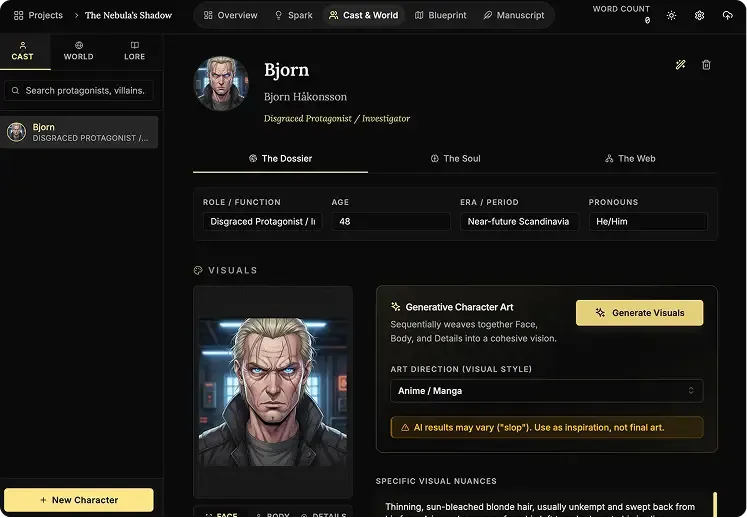
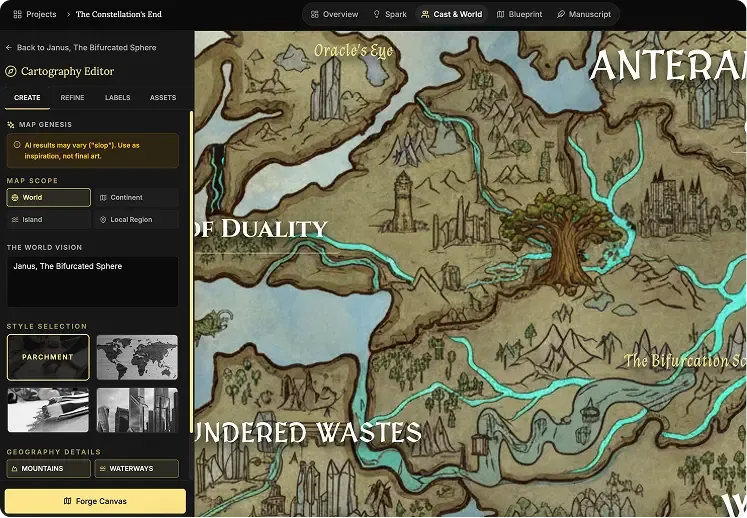
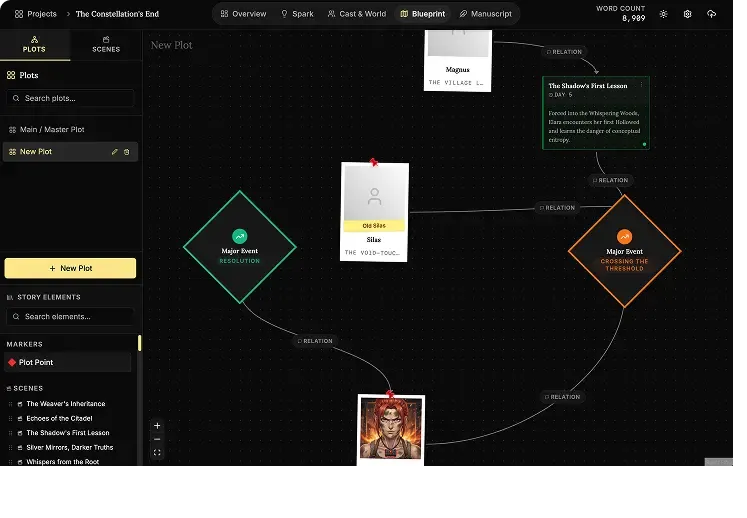
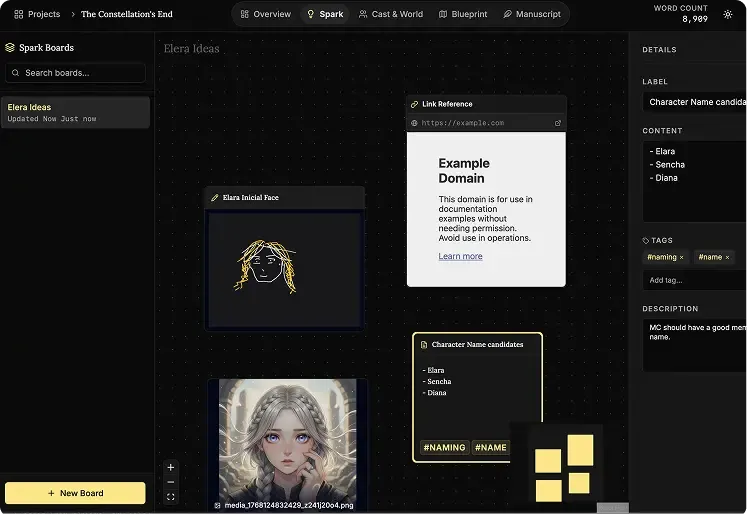
Map the term across scene cards, plotlines, arcs, and Timeline View. The Blueprint sits inside the same NovelOS Studio project as your characters, world, timeline, manuscript, goals, tracker, revision tools, and publishing exports.
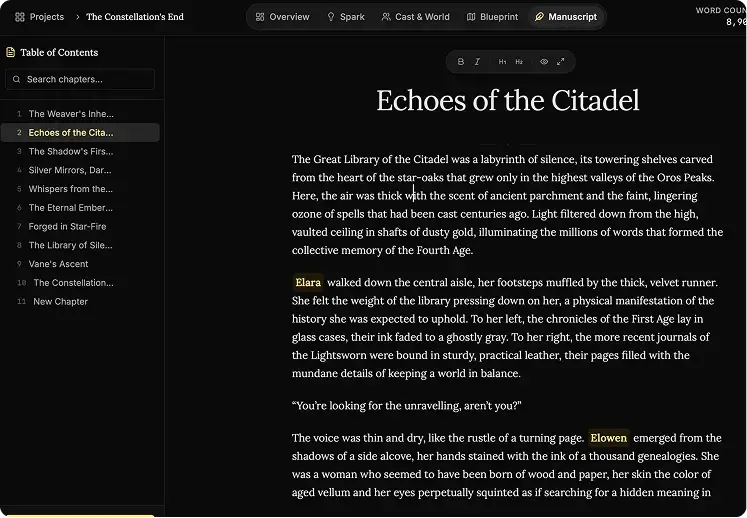
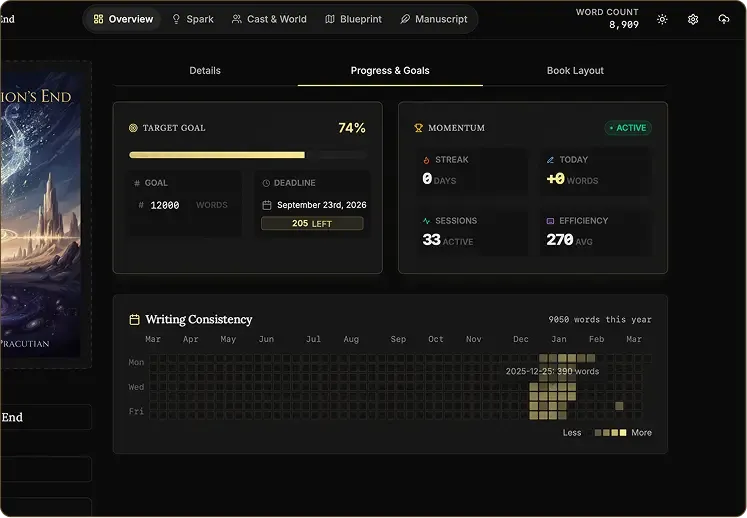
Record the idea where it affects the book, test it in scenes, and revise it beside the surrounding prose. NovelOS Studio keeps the craft decision attached to the novel instead of leaving it in a separate worksheet.