Story Structure
Falling Action
Falling action is the sequence of consequences that follows the climax and moves the story toward closure.
Falling Action in a story
It handles immediate aftermath: who survives, what becomes known, which relationships remain possible, and what practical problems the decisive action created.
Original fiction example
After the queen abdicates, her allies burn letters, rivals divide ministries, and her daughter chooses whether to leave with her.
This example is original to the NovelOS glossary. It illustrates the term without borrowing a passage from a published novel.
Why writers use it
Use falling action to show that decisive choices alter more than the climactic moment.
A useful revision question: Where does this device change what the reader understands, expects, or feels? If removing it leaves the passage unchanged, it may need a clearer function.
A common mistake
Repeating the climax's emotional conclusion without new consequences can make the ending feel prolonged.
Use falling action in NovelOS Studio
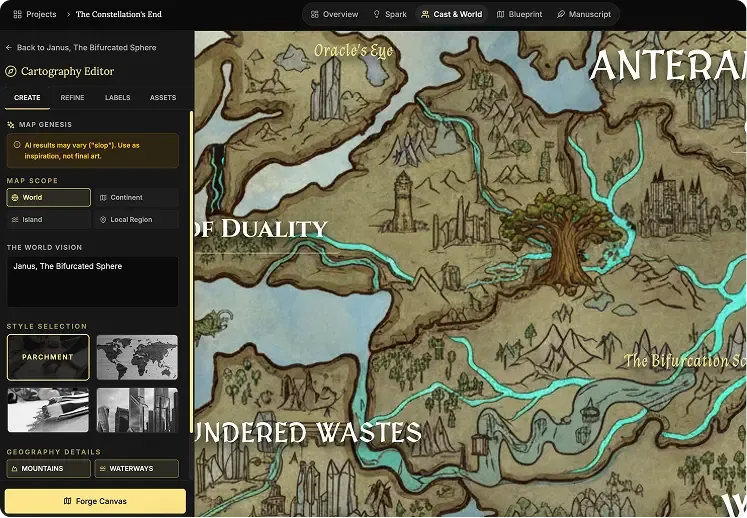
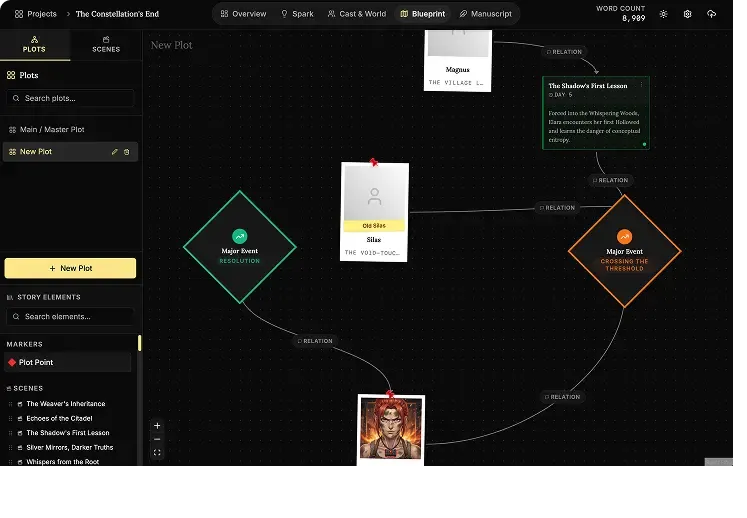
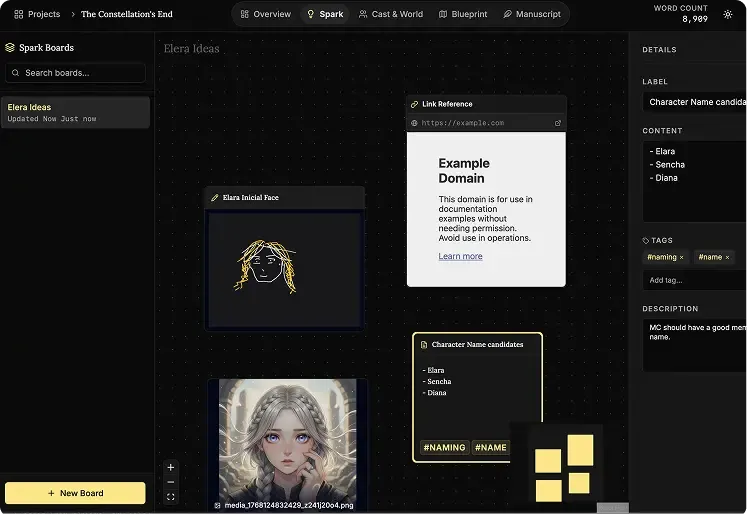
Map the term across scene cards, plotlines, arcs, and Timeline View. The Blueprint sits inside the same NovelOS Studio project as your characters, world, timeline, manuscript, goals, tracker, revision tools, and publishing exports.
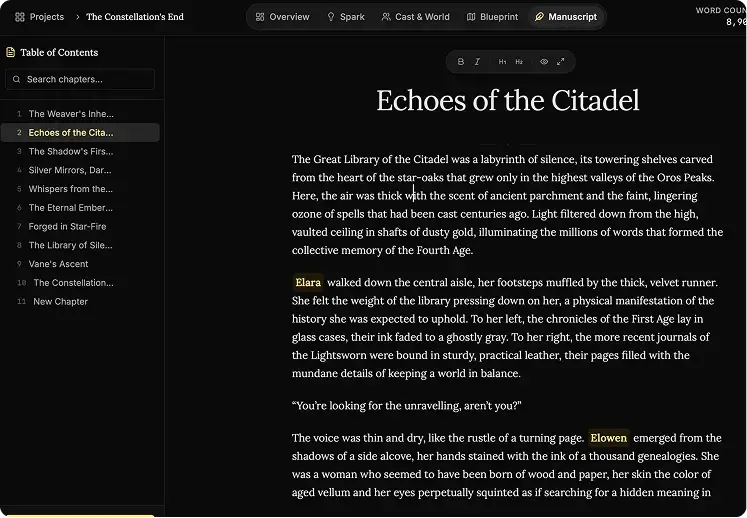
Record the idea where it affects the book, test it in scenes, and revise it beside the surrounding prose. NovelOS Studio keeps the craft decision attached to the novel instead of leaving it in a separate worksheet.