A Slasher Novel Needs Survivors Who Learn the Killer's System
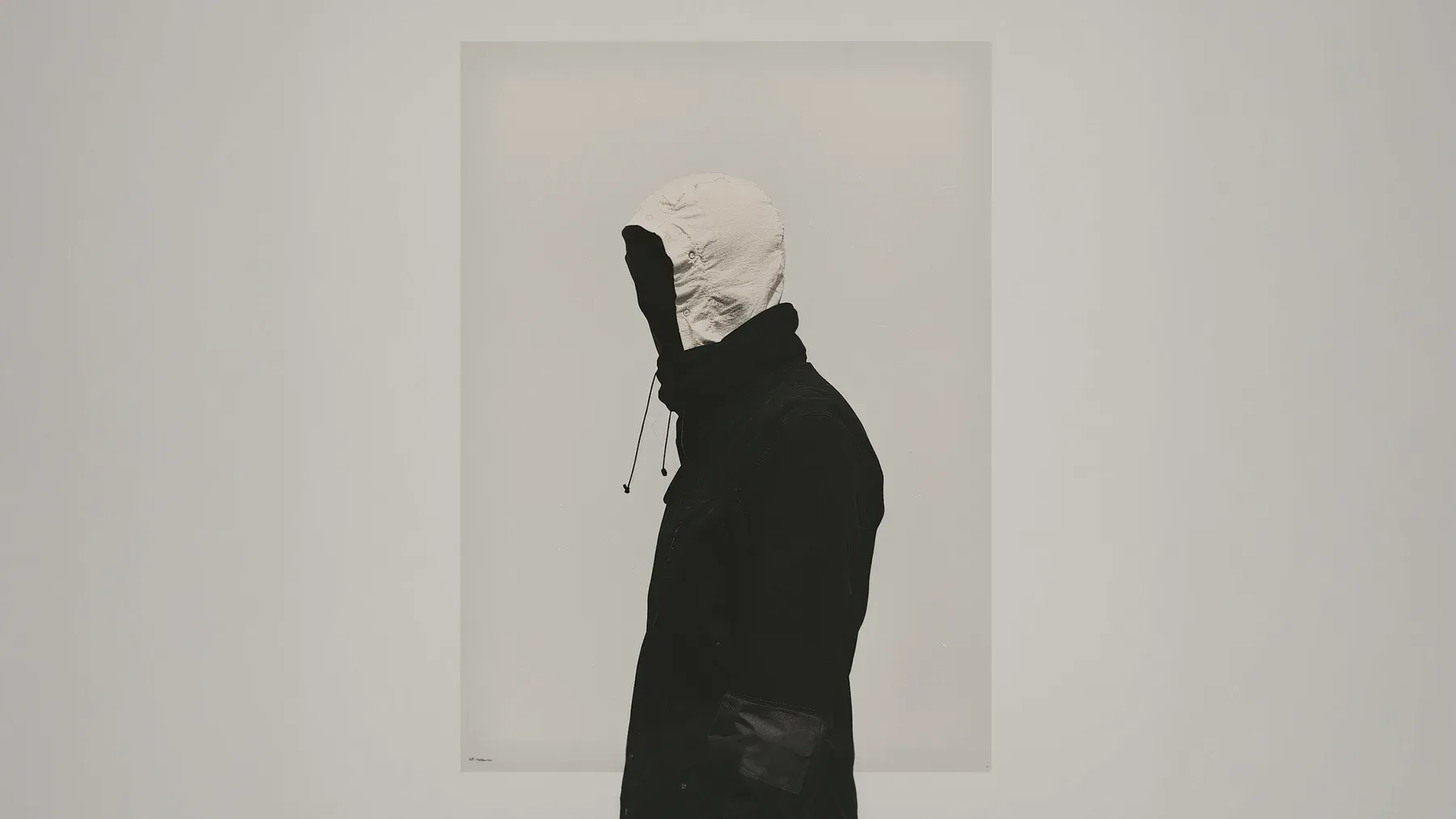
A slasher novel creates fear through a repeated contest. A human threat stalks a connected group, the available refuge keeps shrinking, and each encounter tests what the characters understand about the killer. The deaths can be shocking, yet the story gains lasting suspense from a harder question: can the survivors learn faster than the person hunting them?
That question gives prose fiction an advantage. A film can hide the killer beyond the frame. A novel can put readers inside a survivor’s incomplete model of the danger. They know the west shutter has failed, one radio is missing, the maintenance corridor carries sound, and someone used a staff key. They still have to decide what those facts mean before the next attack.
Imagine five former youth-theater volunteers returning to a condemned shopping arcade before demolition. A recorder in the old cinema begins playing their final rehearsal call. The exterior shutters descend. A hooded figure appears beneath the dead fountain wearing the blank mask once used in their production. Years earlier, the group concealed an injury that happened backstage. Someone has built tonight’s hunt from that shared silence.
The writer does not need an invincible killer or foolish victims. The stronger design gives the killer bounded advantages, lets the group attempt sensible plans, and makes every failure produce usable information at a painful cost.
Define What the Killer Can Actually Do
Before arranging attacks, write the killer’s operation as a private threat model. Separate what the survivors fear from what the killer can perform. A frightening silhouette may seem omnipresent because several preparations were made before the story began.
Record six fields:
| Capability | Story question | Arcade example |
|---|---|---|
| Access | Which doors, keys, ducts, or accounts can the killer use? | A copied staff key opens service corridors, not leased shop units |
| Observation | How does the killer locate people? | Old cameras cover public halls but provide no sound |
| Mobility | Which routes permit faster movement? | A maintenance spine links three floors, with one flooded break |
| Control | Which systems can be altered remotely? | Shutters and prerecorded announcements share an obsolete control panel |
| Force | What can the killer carry and sustain? | The mask restricts peripheral vision; an injured shoulder limits grappling |
| Objective | Who or what must remain available? | The killer needs a recorded admission and the missing incident photograph |
This table prevents accidental magic. If the killer appears on another floor thirty seconds later, the route must permit it, there must be more than one attacker, or the first appearance was recorded. Choose deliberately. Readers will tolerate hidden information; they resist a solution that changes physical rules after the fact.
Give preparation a cost. Camera access requires time, stolen credentials, and knowledge of the old system. A prerecorded voice cannot answer an unexpected question. A copied master key leaves marks or an access trail. Clothing that hides identity also reduces hearing, vision, speed, or dexterity.
Then distinguish capacity from choice. The killer may be able to attack anyone in the east hall yet avoid the electrician because the generator must remain running. They may abandon a pursuit to protect the cinema recorder. A repeated choice exposes the objective before identity is known.
Each attack should test one current belief. The first proves confinement was arranged. The second reveals surveillance coverage. The third shows the killer can imitate a missing person’s voice but cannot hear replies. The fourth exposes a protected location. The threat model slowly becomes visible through action.
Treat the Building as a Changing System
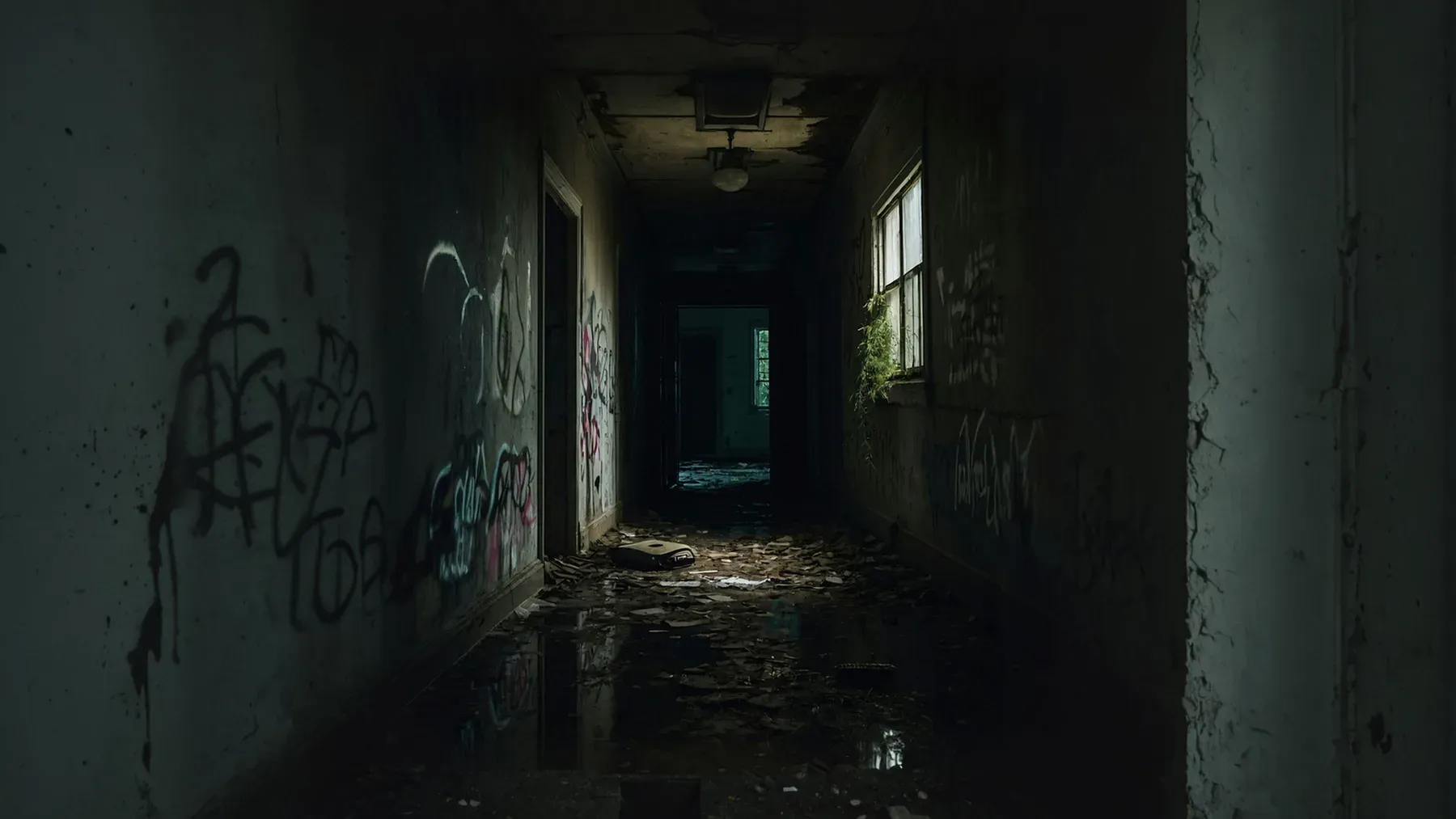
A slasher setting needs more than rooms with ominous names. Draw a navigable site and track its state over time. Doors lock, smoke crosses a corridor, water reaches electrical equipment, lights fail by circuit, and injured people move at different speeds.
Real exit design offers useful vocabulary. OSHA describes an exit route as a continuous path from any workplace point to safety, divided into exit access, the protected exit itself, and exit discharge into an outside or safe area. That distinction can sharpen a fictional escape. Reaching a stair door does not guarantee that the stair remains passable or that its discharge is safe.
Build a route register:
| Route | Initial condition | New obstruction | Who knows the change | Consequence |
|---|---|---|---|---|
| Main arcade | shuttered at both ends | smoke crosses the central court | everyone sees smoke | fastest route becomes exposed |
| Cinema stair | unlocked from inside | landing chained below | one survivor tests it | apparent exit becomes a trap |
| Loading bay | staff key required | truck blocks the discharge | former contractor knows | vehicle can become cover or barrier |
| Maintenance spine | omitted from public map | knee-deep water at the south break | electrician discovers it | fastest route excludes the injured |
| Roof bridge | structurally sound | wind prevents a safe crossing alone | building surveyor recognizes risk | crossing requires a tether and partner |
Do not remove every exit at once. Let characters test primary and secondary routes, just as an emergency plan distinguishes alternatives. When a route fails, specify the mechanism. A locked door, blocked discharge, smoke layer, electrical hazard, and hostile line of sight create different decisions.
Location should also shape the killer. The mask reflects in dark shop glass. Footsteps carry through a tiled court but disappear near the flooded carpet store. Cameras point toward customers rather than staff doors. A demolition opening creates an escape the killer did not include in the plan.
The earlier guide to using setting to create suspense explains how distance, visibility, sound, and access can begin applying pressure before the threat arrives. In a slasher horror story, those properties should keep changing after the first encounter.
Give the Group a Shared Operating Picture
People under acute stress may rush, fixate on one problem, communicate less, or freeze while trying to interpret uncertainty. Those responses become more convincing when the survivors also have moments of competent coordination. Research on high-risk decision-making emphasizes that experience, time pressure, uncertainty, and available strategy all affect performance.
After each attack, give the group a short report with four parts:
- Observation: what someone directly saw, heard, touched, or tested.
- Interpretation: what that fact might mean.
- Confidence: how certain the speaker is and why.
- Action: what the group will change before moving again.
One survivor heard the rehearsal call continue while the masked figure entered the court. That is an observation. “The killer has an accomplice” is one interpretation. A timed recording is another. The group tests both by asking a question over the intercom, waiting for a response, and comparing the playback interval with the old stage manager’s cue sheet.
Keep a knowledge ledger by character. The electrician knows which circuits remain live. The surveyor understands load-bearing walls. A former stage manager remembers the call sequence. A community nurse can triage injuries but does not diagnose every wound at a glance. A local reporter has cloud backup and source habits, yet may withhold evidence to protect someone.
Their skills should create dependencies. No single survivor understands the whole building, history, threat, and medical situation. Information must travel. Trauma-team research describes communication as central to both information management and task coordination, including closed-loop confirmation. Fiction can borrow the principle without turning dialogue into a training manual.
Use short acknowledgments when conditions are noisy: “Roof door, then west bridge.” “West bridge confirmed.” If the reply never arrives, the silence is evidence. If a frightened character repeats the wrong destination, another person can correct it before the error becomes a contrived death.
The killer attacks that shared picture. They steal a radio, imitate a voice, move a route marker, and expose one person’s old lie. Fear enters through uncertainty about the information system as well as the weapon.
Make Separation Follow a Real Conflict of Duties
Once a group recognizes a lethal threat, casual separation feels false. Give survivors simultaneous needs whose delay has consequences. The injured electrician needs pressure maintained on a wound. Rising water threatens the generator. A missing friend calls from the cinema. The loading-bay release requires two controls held apart.
List each task with deadline, required skill, minimum people, route, and consequence of delay. The group can then choose among bad options instead of volunteering for isolation.
Suppose the safest plan is to shelter inside a solid storeroom, block the entrance, silence devices, and wait for responders. FEMA guidance for hostile threats recognizes escape, concealment, and last-resort resistance as situational choices. In the novel, waiting becomes unstable because water will disable the emergency lighting, the storeroom contains no signal, and the missing person’s location is uncertain. The characters argue over a specific tradeoff.
They choose a pair for the generator and three people for the loading bay, with a check-in every two minutes and an assembly point if radios fail. The killer sends a false confirmation from the stolen unit. The flaw lies in authentication, so the next plan adds a response phrase based on shared history.
Allow the group to improve. They mark tested doors, identify two rally points, carry the injured by a route wide enough for support, and stop pursuing a voice without visual confirmation. Improvement forces the killer to spend another prepared advantage.
Rayne Hall’s Writing Scary Scenes argues that isolation intensifies vulnerability and that a fleeing viewpoint should focus on what the pursued person can see, hear, and feel. The reason for isolation matters. Here, each separation grows from rescue, infrastructure, injury, or verification. That preserves character intelligence while still narrowing help.
For the movement itself, use the method in a chase scene where both sides learn the route. Establish the next reachable refuge, the pursuer’s current advantage, and the piece of geography that can reverse it. A chase becomes a sequence of spatial decisions rather than several paragraphs of running.
Let Survival Come From Attention, Not Purity
The final girl remains one of the slasher’s most discussed figures: a survivor who recognizes the accumulating threat and faces the killer in the final movement. Recent scholarship continues to question how the trope links survival, gender, victim legitimacy, sexuality, and supposedly deserving behavior.
A contemporary slasher novel can retain the survivor’s developing perception without sorting victims by moral purity. Sexual activity, sobriety, ambition, caution, dishonesty, gender, disability, or popularity should not operate as a hidden score that awards life.
Instead, distribute three survivor functions across the group:
- Recognition: someone notices the pattern behind locations or attack order.
- Integration: someone persuades others to combine observations and revise the plan.
- Execution: someone acts on the revised model during the final danger.
One character may perform all three, but the story should show how. The stage manager recognizes that the attacks follow rehearsal cues. The reporter links the cues to deleted footage. The surveyor uses that prediction to open a path through a temporary wall. A wounded person can remain decisive through information, timing, or refusal without receiving an implausible burst of physical power.
Survival should also leave residue. Injuries affect grip, balance, pace, concentration, and later choices. Grief can narrow attention or break a useful alliance. A person who caused the old harm may risk rescue, yet one sacrifice does not settle every responsibility.
The guide to pacing a horror scene can help vary the temporal experience. Slow the instant before a door opens so the viewpoint character can test sound and light. Compress an exposed sprint. Expand the hiding interval when involuntary breath, water, or a failing grip may reveal someone.
Make the Ending Prove the Revised Model
The final confrontation should use information earned across the novel. Write a proof chain before writing the fight:
- The group knows the killer watches public halls through old cameras.
- They know the mask narrows peripheral vision.
- They know the maintenance spine reaches the cinema from behind.
- They know the killer needs the photograph and a recorded confession.
- They know prerecorded calls cannot respond to a changed cue.
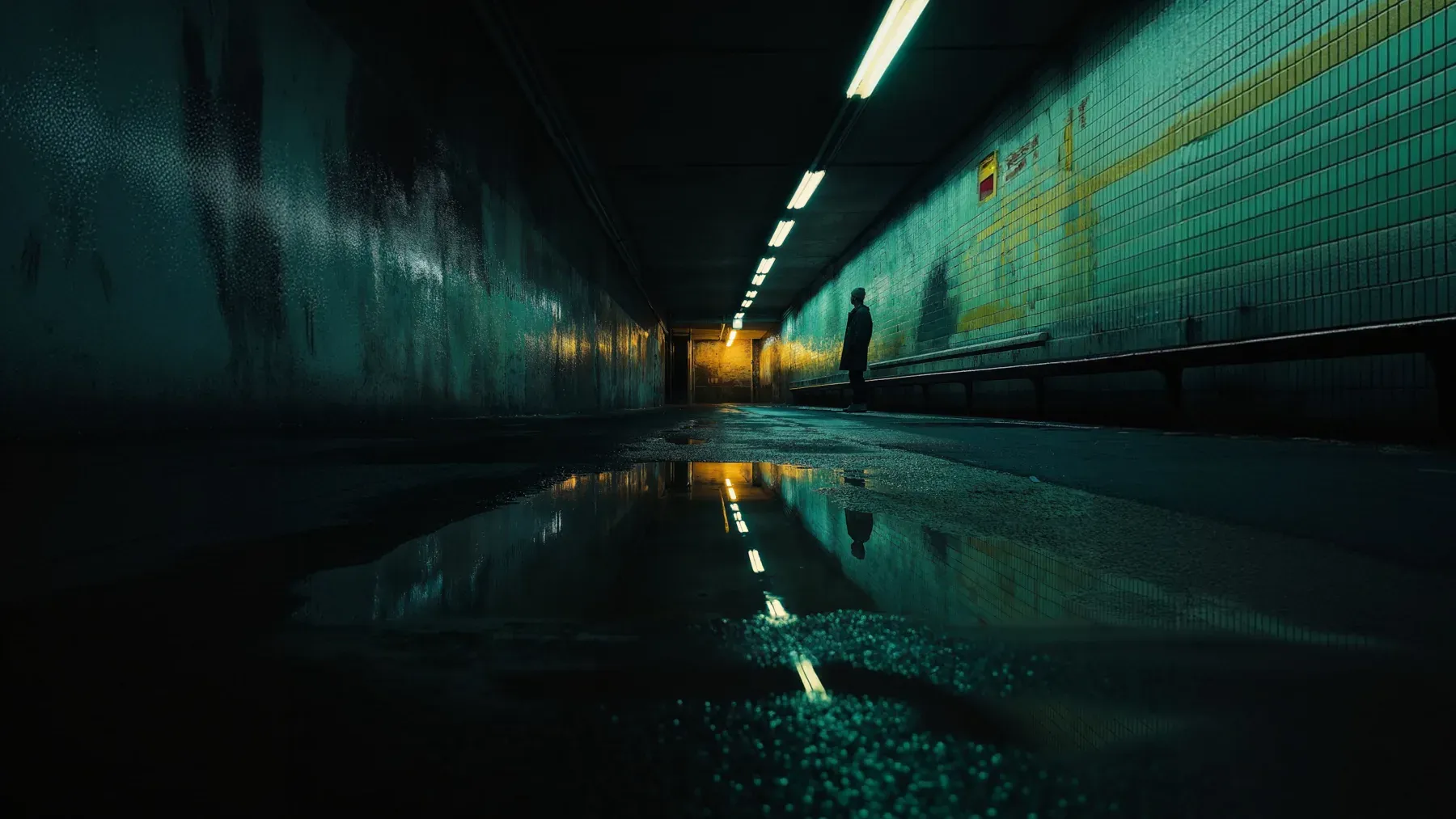
The survivors feed the camera an apparent retreat toward the loading bay. One person changes the rehearsal cue over the intercom. The killer follows the expected response and reveals a live position. Two survivors enter from the maintenance spine while a third opens the cinema’s exterior smoke vent. Their plan can still cost them. Its success, partial or complete, arises from the model they built.
Resolve route, motive, and identity separately. The copied key and camera access explain movement. The concealed backstage injury explains target selection. A record, recovered preparation site, reliable witness, or captured communication connects the person to the operation. A mask falling off during a struggle may reveal a face, but it does not establish the whole case.
Then continue past escape. Account for the injured, the missing, evidence, emergency response, and public story. The survivors may disclose the original cover-up while rejecting the killer’s claim that violence was justice. The arcade investigation can uncover the institution that protected an adult and pressured young witnesses. Survivors remain responsible for their own decisions without becoming responsible for the attacks committed against them.
The last image should answer the story’s moral pattern. If the hunt depended on secrecy and isolated testimony, the ending may show several survivors giving separate, corroborated accounts. If the killer controlled the building through hidden routes, demolition pauses while those spaces are mapped and searched. The threat ends when private knowledge becomes usable collective action.
Build the Hunt and Counterplan in NovelOS Studio
A slasher novel has to synchronize a killer’s hidden operation with the survivors’ incomplete knowledge, a changing building, injuries, communications, and several clocks. NovelOS Studio keeps those systems connected to the scenes where the reader learns them.
Use the Studio to manage the complete contest:
- Develop victims, survivors, relatives, responders, witnesses, institutional actors, and the killer with The Oracle.
- Store the threat model, mask limits, weapons, keys, cameras, circuits, rooms, exits, weather, injury rules, and buried history in The Architect.
- Map friendship, debt, guilt, protection, suspicion, withheld knowledge, and changing trust through Connections.
- Generate alternate attack mechanisms, route failures, false interpretations, group plans, and endings with Spark.
- Use The Blueprint to arrange preparation, stalking, attacks, reports, route changes, separations, counterplans, confrontation, and the consequences after escape. Its Timeline View can align the killer’s movement with camera coverage, radio traffic, injuries, flooding, power loss, and each survivor’s account.
- Draft close-viewpoint fear, readable pursuit, group dialogue, and the final proof chain in Manuscript.
- Track exits tested, people accounted for, evidence recovered, injuries, trust, killer capabilities revealed, and remaining proof obligations with custom goals and trackers.
- Compare sharper sensory language and clearer action beats against the original passage with The Alchemist.
- Finish the manuscript in Editorial Foundry for EPUB or PDF, a DOCX or RTF editorial pass, and Markdown, TXT, or self-contained HTML workflows.
The Studio works locally on Windows and macOS, keeping an unpublished horror project under the writer’s control. Export a complete .novelos archive when you want to move the cast, setting, relationships, plan, and manuscript to another computer and import them there. A single purchase covers activation across all computers belonging to you. A Mobile ships on iOS and Android on the same licence, installed from the browser. Turn the killer’s system and the survivors’ hard-won counterplan into a complete slasher novel with NovelOS Studio.
Sources and further reading
- OSHA, Design and Construction Requirements for Exit Routes
- OSHA, How to Plan for Workplace Emergencies and Evacuations
- FEMA, Shelter-in-Place Guidance, including hostile-threat protective actions
- Arlene Chung and colleagues, “Decision-Making During High-Risk Events: A Systematic Literature Review”
- Michael M. Müller and colleagues, “The Use of Specific Coordination Behaviours to Manage Information Processing and Task Distribution in Real and Simulated Trauma Teamwork”
- Kara M. Kvaran, “You’re All Doomed! A Socioeconomic Analysis of Slasher Films”
- Jacky Burrows, “Final Girl, the ‘Ideal Victim’, and Goldilocks”
- Rayne Hall, Writing Scary Scenes, especially PDF pages 39 and 93 on motivated isolation, fleeing viewpoint, and chase pacing.
- Lummi source: the masked figure
- Lummi source: abandoned hallway
- Lummi source: moody urban underpass