Medicine and Disability Belong Inside the Character's Decisions
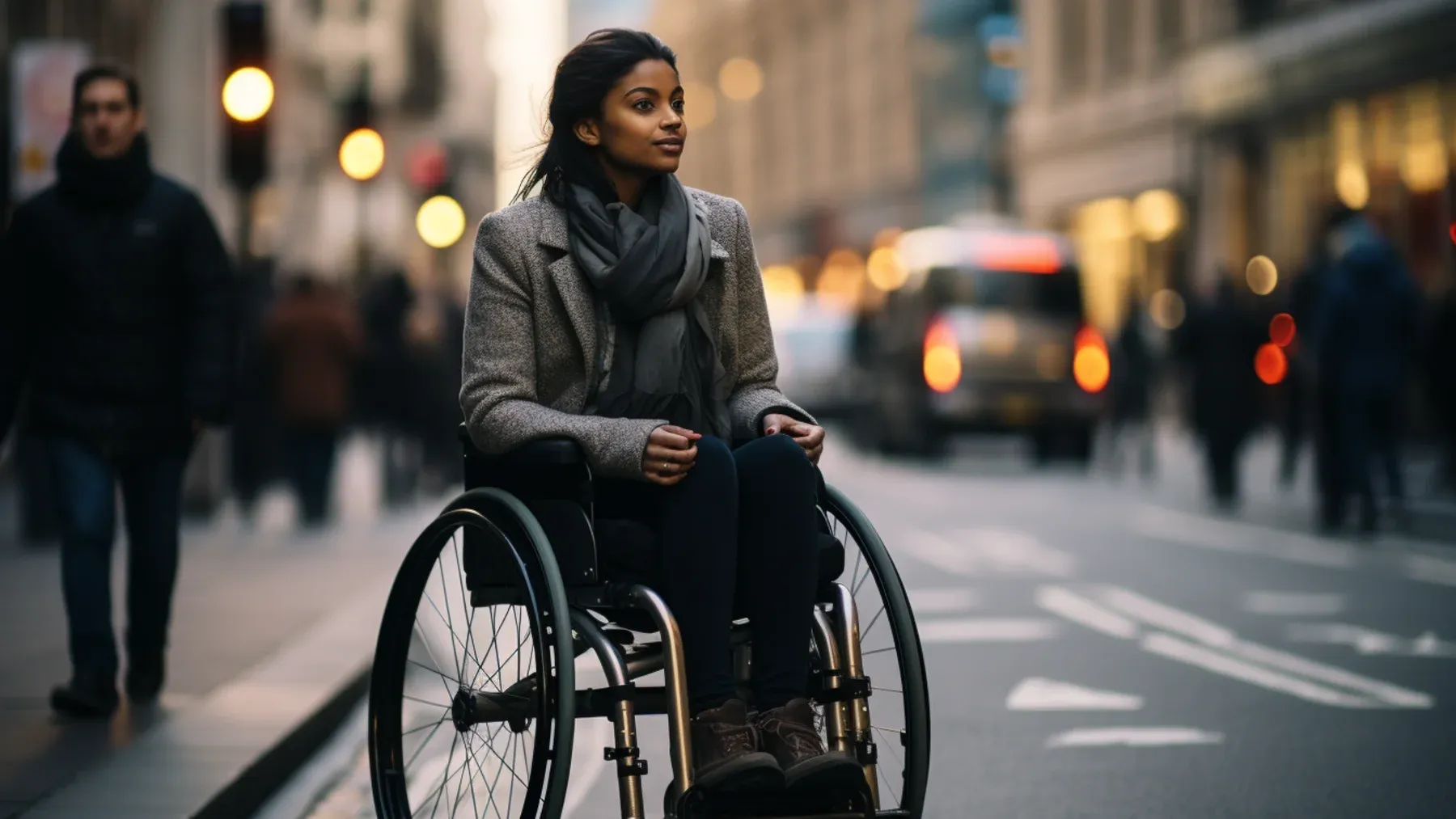
Writing medicine and disability in fiction becomes difficult when the author tries to explain a complete condition before the character can do anything. The scene pauses for symptoms, terminology, treatment history, or social commentary. Readers receive information, yet they lose the person who was supposed to carry the story.
The practical solution is to research far more than you disclose. Build a private model of the character’s body, medicine, equipment, environment, support, and preferences. On the page, reveal a fact when it changes what the character decides, how another person responds, or what becomes possible next.
Consider an emergency planner who uses a wheelchair after a spinal injury and takes prescribed medicine to manage muscle spasms. A storm is approaching a river district. The city asks them to certify an evacuation route that includes a steep temporary ramp, one lift, an accessible shuttle, and a shelter that claims it can store temperature-sensitive medication.
A weak opening explains the injury, diagnosis, medicine, wheelchair, and years of rehabilitation. A stronger opening gives the planner a live decision. The lift has failed its backup-power test. The public map still marks the route accessible. Signing the certificate will keep the evacuation schedule on time. Refusing will force the city to disclose that hundreds of residents have no verified route.
The disability is present through expertise, movement, access, fatigue, medicine timing, public assumptions, and risk. The reader learns each part because it bears on the planner’s work. The character remains the person making the consequential choice.
Start With the Character’s Current Decision
Medical exposition often arrives too early because the writer fears that a reader will misunderstand a behavior. That fear produces a biography where the story needs a problem.
Begin by defining the decision already under pressure:
- Objective: certify a usable evacuation route before the afternoon briefing.
- Obstacle: the lift has failed, the temporary ramp exceeds the planned slope, and replacement transport is unconfirmed.
- Private constraint: the planner has a limited energy budget after spending the morning inspecting surfaces in cold rain.
- Social pressure: the deputy mayor wants a clean announcement before businesses close.
- Choice: sign, delay, or publish a partial approval that exposes the inaccessible segments.
Now ask what the reader must understand before that choice can make sense. They need to know that the planner recognizes an unsafe ramp from practice as well as professional training. They need to know why the lift failure cannot be dismissed as an inconvenience. They may need one detail about spasm or fatigue if it changes the inspection. They do not yet need the injury’s date, the complete medication list, or a lecture on every form of disability.
This is the same discipline used in writing exposition without infodumping: information earns space through immediate dramatic work. Medical facts deserve extra care because an error can mislead readers as well as break the scene.
Use a three-question gate for every proposed detail:
- What choice becomes intelligible because the reader learns this fact now?
- Who would realistically know, notice, or say it in this situation?
- What changes after the fact appears?
If nothing changes, keep the detail in your research notes. Accurate information can still be misplaced information.
Build a Private Model Before You Draft the Scene
The page should feel selective because the author understands the whole system. Create a working record with separate fields for the health condition, functional effects, variation, treatment, access, and identity. These categories interact, but they are not interchangeable.
For the emergency planner, the record might include:
| Layer | Questions for the writer | Possible story consequence |
|---|---|---|
| Body and function | What is stable, variable, painful, tiring, or unaffected? | Cold changes the time needed for an outdoor inspection. |
| Medicine and care | What is taken, when, why, with what limits or side effects? | A delayed dose affects comfort, while taking it requires water and a pause. |
| Equipment | What does the chair enable, and what maintenance does it require? | Wet grit in a caster makes the curb survey slower. |
| Built environment | Which entrances, surfaces, toilets, vehicles, and signs work? | The official shelter route ends at a locked side entrance. |
| Policy and money | Who approves support, pays for it, or can withdraw it? | The transport contractor has not funded an accessible backup vehicle. |
| Language and identity | Which terms does the character or community prefer? | The planner corrects a report that describes residents as evacuation burdens. |
| Relationships | Who assists, interferes, asks, assumes, or listens? | A junior engineer offers help correctly once and accepts the answer. |
The World Health Organization describes disability through the interaction of health conditions with environmental and personal factors. That distinction gives fiction more causal material. A wheelchair may work perfectly while a staircase blocks participation. A medicine may manage one symptom while an inflexible appointment system creates the crisis. A character can be disabled without being ill in the current scene.
Research lived experience as seriously as clinical information. A condition page can describe diagnostic criteria. It cannot tell you how different people negotiate disclosure, humor, work, intimacy, unwanted help, public space, or identity. Read work by disabled people, seek condition-specific accounts, and budget for an appropriate sensitivity reader. Consult a qualified medical professional when treatment, emergency response, prognosis, or procedure affects the plot.
Language also requires research. Some people and communities prefer identity-first terms such as “disabled person”; others prefer person-first language; preferences can be individual and contextual. The National Center on Disability and Journalism recommends asking when possible instead of treating one formula as universal. Give the fictional person a considered preference rather than using them to announce a universal rule.
Reveal Information Where Body, Tool, and World Meet
Once the private model exists, distribute information across points of contact. A useful scene does not display a condition in isolation. It shows a person trying to accomplish something through a particular body, tool, place, rule, and relationship.
At the failed lift, the planner tests the manual lowering system and asks the facilities supervisor who holds the release key. This reveals professional authority, mechanical knowledge, and the fact that a nominally accessible route depends on a single controlled device.
At the temporary ramp, they measure slope and landing space. Rain makes the surface slick. The scene can mention grip and braking because those facts determine whether the ramp passes. A paragraph explaining wheelchair mechanics would add less than the planner’s refusal to approve a descent that leaves no safe stopping area.
At the shelter, the advertised medication refrigerator shares a circuit with kitchen equipment. The backup generator serves only the main hall. That finding turns “medical storage” from brochure language into an infrastructure problem. It also broadens the issue beyond the protagonist. Insulin, biologic drugs, and other temperature-sensitive medicines may have product-specific storage rules, so the novel must research the exact medication it depicts rather than invent a universal temperature or deadline.
At the press briefing, an official says that residents with “special needs” can wait for individual assistance. The planner knows the staffing list contains two drivers for eleven pickup zones. Their objection reveals policy, arithmetic, and attitude through conflict.
These four encounters teach different parts of the system:
- the lift shows dependence on equipment and authority;
- the ramp shows design meeting embodied use;
- the refrigerator shows care meeting infrastructure;
- the briefing shows language meeting policy and power.
The reader accumulates a coherent understanding without receiving a detached medical summary. Sandra M. Odell’s SFWA essay on building disabled worlds makes a closely related point: accommodations must fit the world’s technology, economy, implementation, and social assumptions. You can keep much of that design off the page, but the visible details must behave consistently.
Let Viewpoint Control the Vocabulary
People describe the same medical fact differently because they have different knowledge and goals. Vocabulary should reveal the speaker as well as the condition.
The planner may think in terms of transfers, curb cuts, turning radius, pressure relief, accessible vehicles, and reserve energy. A rehabilitation clinician may use functional and clinical terms. A pharmacist may focus on dosage, interaction, storage, and refill timing. A relative may know routines but misuse a diagnosis. A city official may reduce access to a compliance checkbox. A stranger may make an intrusive assumption.
Do not force two experts to explain basics they both know. Give them a genuine disagreement: whether the failed lift permits conditional approval, who bears the risk, or which repair can happen before the storm. Technical language then becomes part of the dispute.
A newly diagnosed viewpoint supports more direct questions, though each answer should still change an action. A long-experienced viewpoint usually notices deviations rather than reciting a baseline. The planner does not wake up mentally defining their spinal injury. They notice that cold is making the morning inspection take longer than expected, then decide which remaining sites deserve the limited time.
Interior narration can state ordinary facts cleanly. “The next dose was due at one” may be enough. The sentence becomes story when the public briefing moves to twelve forty-five and the only accessible toilet is in another building. An elaborate metaphor would obscure the logistical conflict.
Medical scenes need the same viewpoint discipline. The earlier article on credible hospital scenes separates clinical, institutional, emotional, and story clocks. Use only the information available to the viewpoint character at that moment. A patient may know sensation and prior experience better than a test result. A clinician may know the differential diagnosis but lack the patient’s daily context. Neither automatically owns the complete truth.
Make Care a Relationship With Terms
Care is fertile dramatic material when the disabled character retains preference, consent, competence, contradiction, and the ability to affect other people.
The junior engineer asks whether the planner wants a push up a wet incline. The planner says no and asks them to carry the measuring case instead. This small exchange shows useful assistance: ask, listen, and support the task the person identifies.
Later, the deputy mayor grabs the planner’s chair to turn them toward a camera. That act crosses a boundary even if the official intends to help. The conflict is about control, publicity, and bodily space. It should have consequences for the working relationship rather than existing as a brief lesson for readers.
Care can also involve mutual dependence. The planner relies on the engineer for access to electrical schematics. The engineer relies on the planner to defend an honest report when senior staff pressure them. At home, the planner may receive practical help and provide financial, emotional, or logistical support in return. Disabled characters should be allowed to give, refuse, negotiate, make mistakes, desire privacy, and hold power.
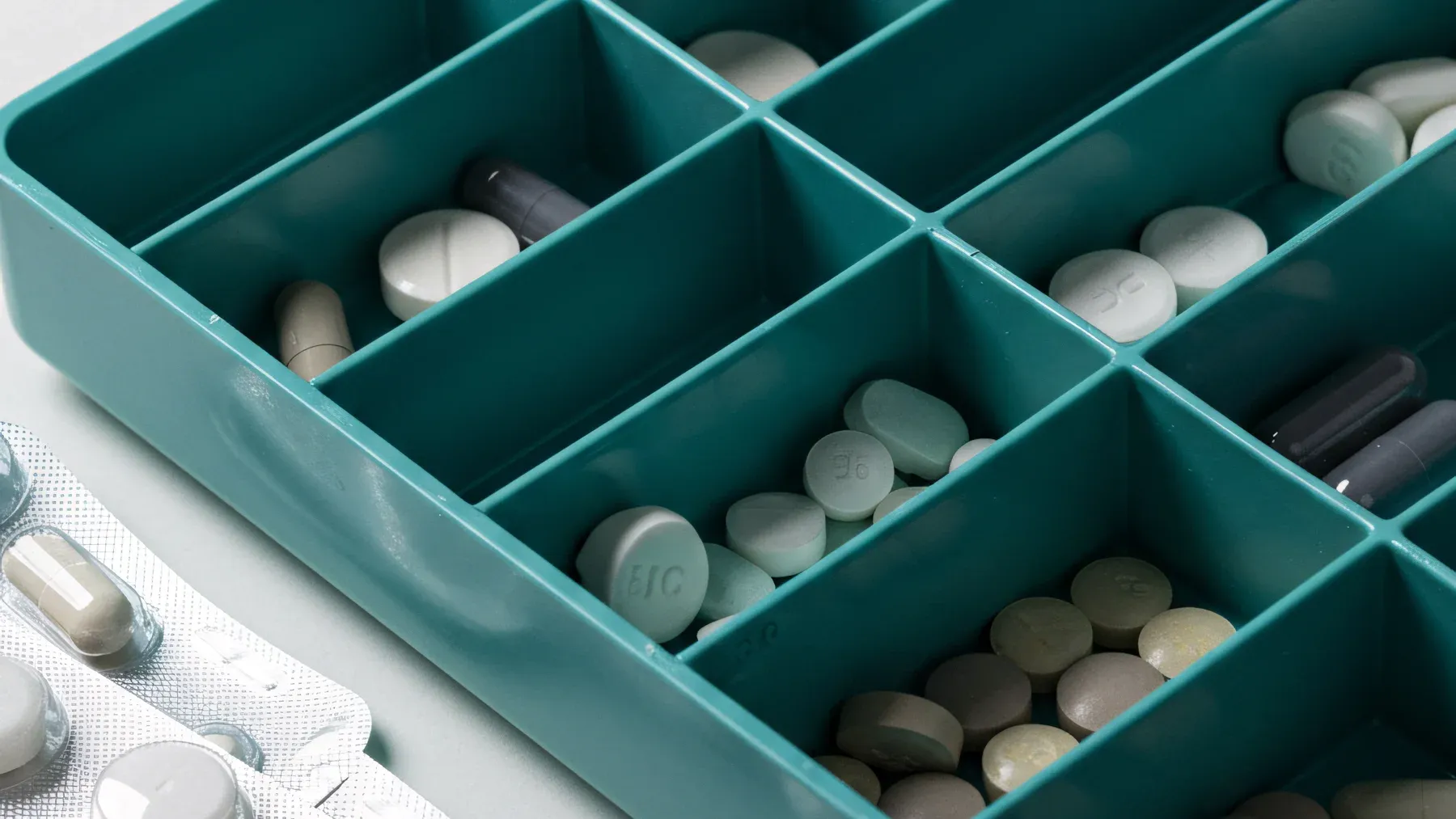
Medicine can change relationships without turning the story into a diagnosis seminar. Someone remembers a refill during an emergency. A pharmacy closure forces a choice about travel. A friend mistakes an adverse effect for anger. A partner respects a routine the character prefers to handle alone. Each moment should remain specific to the researched medicine and person.
Avoid making a nondisabled character’s decency the emotional climax. The important turn in this case is the planner’s decision to release a conditional report before the briefing, with maps showing every unverified route. The engineer supplies evidence. Residents organize transport. The mayor responds. Care and solidarity support agency; they do not replace it.
Revise for Agency, Access, and Accuracy
On the second draft, mark every passage involving disability or medicine and classify its function. Is it changing a decision, creating or removing access, establishing a routine, complicating a relationship, conveying necessary risk, or merely displaying research?
Then run five audits.
The agency audit: Does the disabled character pursue goals beyond being treated, cured, rescued, or accepted? Do their decisions alter the main plot? A cure can be appropriate in some stories and unwanted, impossible, partial, dangerous, or irrelevant in others. Do not assume that bodily normalization is the only satisfying ending.
The barrier audit: Which problems arise from the body or health condition, and which arise from design, cost, policy, prejudice, missing support, or another person’s choice? The CDC identifies physical, communication, attitudinal, programmatic, social, and transportation barriers. A varied novel should not translate every conflict into individual deficiency.
The continuity audit: Do symptoms, function, medicine, equipment, energy, recovery, and access remain consistent while allowing realistic variation? Writing chronic pain with agency and accuracy offers a detailed model for variable capacity, tradeoffs, and decisions that continue after a painful action.
The trope audit: Is disability being used as shorthand for evil, innocence, wisdom, punishment, inspiration, or supernatural compensation? James Irwin’s guidance for Jane Friedman recommends examining stereotypes while developing the character’s full personality, relationships, and motives. One disabled character cannot represent an entire community.
The verification audit: Has someone with relevant lived experience reviewed the portrayal? Has an appropriate clinician or technical expert checked consequential medical claims? Have you separated what a source says from what the novel invents? Sensitivity reading and medical review answer different questions, and many projects need both.

Keep the Whole Causal System in NovelOS Studio
Medicine, access, policy, weather, relationships, and physical continuity can easily drift apart over a long manuscript. NovelOS Studio gives this material one connected, local workspace while keeping the emergency planner at the center of the novel.
- Define the planner’s objectives, authority, preferences, expertise, changing capacity, boundaries, and contradictions in The Oracle. Add residents, engineers, clinicians, pharmacists, officials, drivers, family, and advocates as people with independent goals.
- Record the river district, lift, ramps, shelters, transport network, pharmacy access, backup power, equipment, medicine rules, weather thresholds, and city procedures in The Architect.
- Use Connections for consent, care, employment, supervision, public trust, access responsibility, contractor obligations, and the alliances that form after the report appears.
- Explore alternate failures, routes, disclosures, accommodations, and political responses through Spark without treating the first dramatic idea as the final answer.
- Place each inspection, dose window, repair deadline, transit run, press briefing, storm threshold, and evacuation stage in The Blueprint. Timeline View helps catch impossible travel, missing recovery time, and access changes that happen in the wrong order.
- Draft the planner’s selective viewpoint in Manuscript. Use The Alchemist to compare a clinical passage with a decision-centered revision while retaining the version whose voice and accuracy you trust.
- Build custom trackers for capacity, symptoms only when story-relevant, medicine timing, equipment status, route verification, barrier ownership, disclosed knowledge, consent, research questions, expert review, sensitivity feedback, and revision resolution.
- When the portrayal and the complete manuscript are ready, prepare ebook, print PDF, Word or rich text, Markdown, plain text, or a self-contained web edition through Editorial Foundry.
NovelOS Studio keeps the project on your Windows or macOS computer, and one lifetime license covers the computers you own. The medical research remains available to the writer without flooding the reader, while every visible detail stays attached to a character choice, environmental condition, relationship, and consequence. Build a novel where access and medicine shape real decisions.
Sources and further reading
- World Health Organization, “Disability”, on disability as an interaction among health conditions, personal factors, environments, systems, and social conditions.
- Centers for Disease Control and Prevention, “Disability Barriers to Inclusion”, on attitudinal, communication, physical, policy, programmatic, social, and transportation barriers.
- National Center on Disability and Journalism, “Disability Language Style Guide”, on relevance, terminology, and person-first or identity-first preferences.
- Sandra M. Odell, “Building the Disabled World,” SFWA, on accommodations, technology, resources, implementation, and social attitudes in speculative settings.
- James Irwin, “6 Tips on Writing Disabled Characters,” Jane Friedman, on stereotypes, full characterization, research, and representation.
- Jill Williamson, Storyworld First: Creating a Unique Fantasy World for Your Novel, especially PDF pages 9 through 11, on building only what the plot requires and keeping storyworld research organized for retrieval.
- Lummi source: wheelchair user on an urban street
- Lummi source: teal pill organizer
- Lummi source: tactile paving close-up