A Climate Thriller Begins Where Forecast Meets Authority
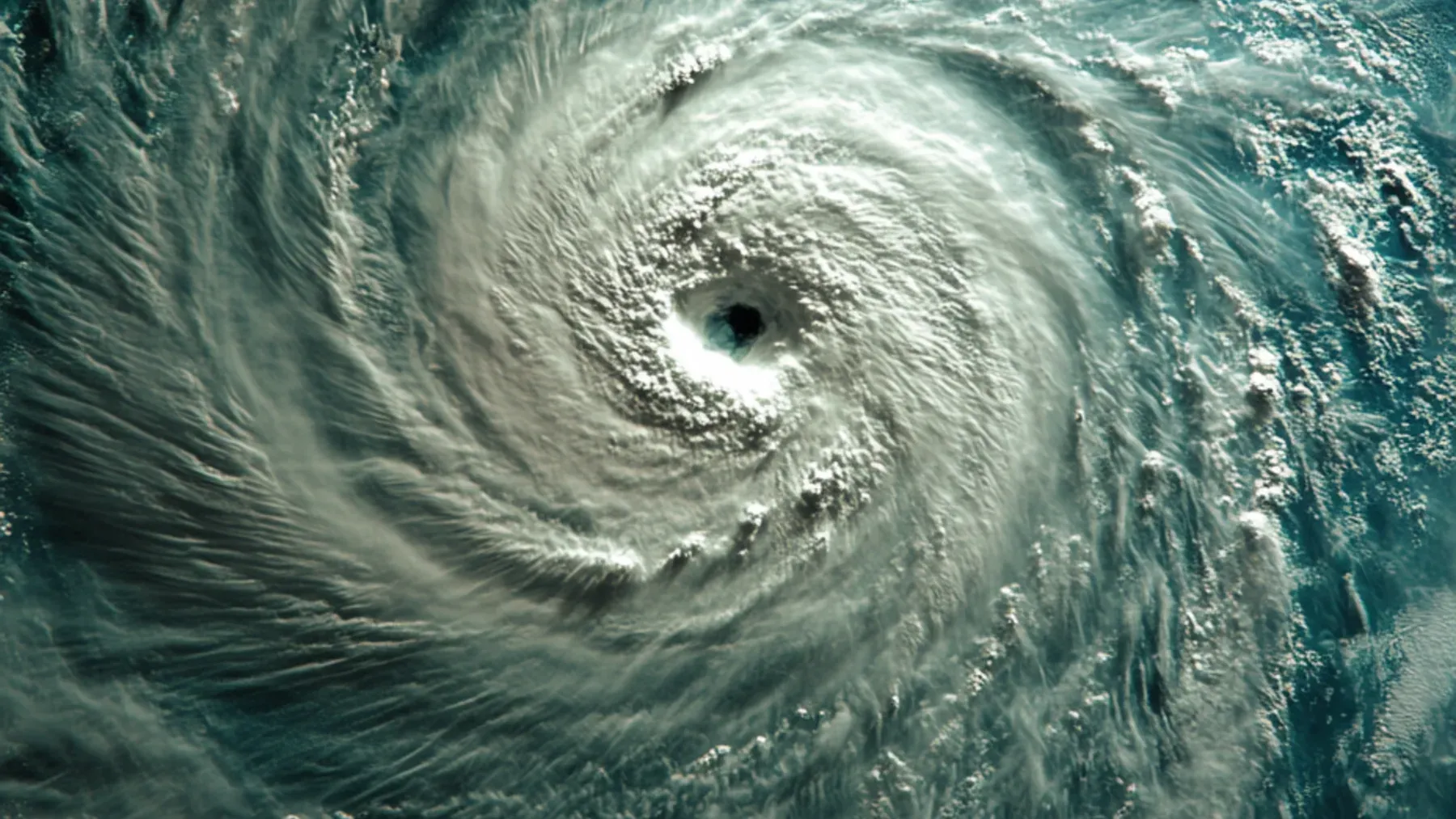
A climate thriller concentrates a large environmental problem into a decision window. A forecast changes. Infrastructure approaches a limit. Officials must act before certainty arrives. The suspense comes from discovering which risk is real, who is exposed, what response remains possible, and whose authority can set that response in motion.
At 4:20 on Monday morning, a coastal modeller sees one forecast run that should be impossible. A weakening cyclone may still drive a three-meter surge into a protected harbor because its path crosses an offshore construction trench and a deep pocket of warm water. Four other models show a lower surge.
The eastern floodgate needs twelve hours to close safely. Closing it protects the financial district and metro tunnels while redirecting water toward a fishing island outside the city boundary. It also blocks fuel ships scheduled before the storm.
The gate decision is due tomorrow at noon. The cyclone arrives eighteen hours later.
This premise creates a thriller because no fact resolves the whole problem. Scientists can update the hazard. Engineers can describe the gate. Island residents know local water behavior. Emergency managers can assemble evacuation capacity. Different officials control closure, transport, shelter, and public warning. Evidence has to cross every boundary before it can become action.
Build Risk From Hazard, Exposure, and Vulnerability
The cyclone is a hazard. The people, buildings, port, fuel supply, and metro in its possible path are exposed. Fragile housing, gate maintenance, poor evacuation access, removed wetlands, and fragmented authority create vulnerability.
IPCC risk framing distinguishes those dimensions because a more intense physical event is only one way risk grows. A moderate surge can become catastrophic where many people are exposed and protective systems fail. A stronger surge can produce fewer deaths where warning, transport, shelter, infrastructure, and trusted local planning reduce vulnerability.
Use three linked inventories.
Hazard: storm track, size, pressure, wind, rainfall, waves, tide, water temperature, current, surge height, and timing.
Exposure: island households, downtown tunnels, hospitals, port workers, ships, fuel storage, roads, power substations, and shelters.
Vulnerability: aging gate motors, one island road, limited accessible buses, weak mobile coverage, distrust after earlier evacuations, and company control of trench data.
Now ask what changes during the novel. The cyclone track shifts. A buoy confirms a current. A cargo ship enters the closure zone. The island road begins flooding. One gate motor overheats. A school becomes available as a shelter. Dynamic risk gives each update a story consequence.
Long-term climate change belongs in the causal background without making one storm “proof” of the entire climate system. Sea-level rise reduces the margin the gate was designed to handle. Warmer ocean conditions affect the probability and behavior of relevant hazards. Wetland loss and coastal construction change exposure and protection. Years of deferred maintenance deepen vulnerability.
The IPCC also warns that severe risk commonly comes from combined conditions, thresholds, cascading effects, and limits on the ability to respond. That language is useful for plot design. A flooded access road delays evacuation, keeps gate workers from arriving, and prevents fuel delivery to backup generators. One consequence crosses several systems.
Research the real hazard and location separately. NOAA’s National Hurricane Center provides operational storm-surge forecasts and planning simulations in the United States. A fictional country will have its own agencies, terminology, infrastructure, units, and authority. Consult relevant meteorologists, oceanographers, civil engineers, emergency planners, disability advocates, and local residents before treating a dramatic mechanism as plausible.
Give Every Forecast an Action Threshold
Uncertainty creates suspense when characters know what decisions different evidence should trigger. Without thresholds, model updates become repeated scenes of people staring at maps.
The modeller’s team creates a decision ladder:
| Trigger | Action | Lead authority | Why waiting matters |
|---|---|---|---|
| credible trench interaction | send independent sensor and audit survey | climate office and port | later waves make collection unsafe |
| 30% chance of island-road flooding | stage accessible transport and open shelter | regional emergency office | buses need drivers, fuel, and crossing time |
| 50% chance of severe harbor surge | stop inbound traffic and prepare gate | harbor control | ship position can block closure |
| 60% chance plus confirmed current | begin partial closure and island evacuation | mayor and regional council | motor cannot move safely under peak crosscurrent |
The numbers are fictional policy choices, not universal recommendations. Their narrative purpose is to reveal values. Why does commerce require 80 percent confidence before disruption while residents are asked to accept danger at 40 percent? Who chose the threshold? Which costs appear in the calculation?
Give probability a defined event. “Sixty percent” could mean a modeled chance that water exceeds a specified level at a gauge within a time range, given stated inputs. It does not mean scientists are sixty percent sure a vague disaster exists.
The first extreme run should face tests. The team checks sensor calibration, trench depth, model initialization, tide timing, failed buoys, gate assumptions, and independent systems. Competing explanations remain live: an unusual real interaction, faulty temperature data, unreported construction, a coding problem, or manipulated input.
A forecast update must change a plan. An autonomous float confirms the warm current, moving surge probability upward and starting bus staging. Satellite evidence narrows timing, changing the gate sequence. A maintenance record raises failure probability, shifting the recommendation from full closure to a controlled partial position.
Scientific caution should improve the plot. A colleague who resists the first warning knows false alarms have costs and the result lacks independent replication. That objection forces better collection. The conflict begins when uncertainty is used selectively to delay all proportionate preparation.
Recent research on climate-projection communication emphasizes that uncertainty needs clear explanation for decision makers. Separate probability from confidence, name major assumptions, timestamp every update, and show what new observation could change the recommendation.
Draw the Route From Warning to Movement
The modeller can issue a technical advisory. That authority does not close a gate, redirect a vessel, order evacuation, fund buses, unlock a school, or provide medicine at a shelter.
Draw the warning route as verbs:
detect → verify → assess → recommend → authorize → mobilize → communicate → transport → shelter → sustain → return
Assign an organization and named role to every verb. Then give each handoff a required input and delay. Harbor control needs a formal closure order. The regional council needs an exposure map and transport count. Bus operators need routes that remain passable. Shelters need staff, power, water, accessible facilities, interpreters, medication support, and a re-entry plan.
FEMA guidance on access and functional needs stresses transport to shelters and back into the community, including contingencies if transportation is disrupted. Use that practical lens without copying one jurisdiction’s plan into another. An evacuation scene begins long before vehicles move.
The wildfire-evacuation scene method provides a compatible dependency test. Replace fire-specific conditions with surge timing, then ask which person, vehicle, route, message, shelter, medicine, animal, or return promise depends on another part of the operation arriving first.
The island council resists because a previous false alarm led to burglary and delayed return. Residents ask who will secure boats, help people using mobility devices, transport pets, replace lost wages, and decide when the road reopens. These are core thriller stakes. A warning that does not answer them may be scientifically accurate and operationally useless.
Institutions need genuine constraints. The gate engineer knows a failed partial closure could worsen flow. Port officials are tracking a ship with hospital fuel. The mayor remembers damage from an earlier unnecessary shutdown. The construction company conceals an unapproved trench extension. Mixed motives make delay harder to diagnose and more credible.
Disinformation exploits these gaps. A cropped early briefing makes model disagreement sound like no danger. A fabricated map places the island outside the surge zone. A real email about sensitivity is presented as evidence of fraud. The response should combine transparent updates with trusted relationships. Publish assumptions, confidence, issue time, next update, and action guidance. Let fishers report current changes and community leaders explain what preparations are actually underway.
The broader climate-fiction guide can help connect emergency decisions to the decades that distributed protection unevenly. The thriller remains focused while the reader understands why the same water threatens communities differently.
Escalate by Spending Response Capacity
The storm does not need a larger impossible surprise every chapter. Make each complication consume time, transport, staff, power, access, trust, or mechanical margin.
At twenty-four hours, a research vessel confirms the heat layer and loses propulsion. A rescue tug leaves gate preparation. At eighteen hours, an inbound cargo captain challenges the closure order and occupies the safest turning area. At twelve hours, shallow flooding reaches the island road sooner than expected. At nine hours, one shelter generator fails inspection.
Track capacity as a changing state:
- available tugs: three, then two;
- gate motor safe operating time: fourteen minutes, then nine;
- passable island exits: two, then one;
- accessible buses staged: eight, with six drivers present;
- shelter capacity with power: 1,100 people, then 760;
- time until unsafe crosscurrent: twelve hours, then eight.
This makes collaboration technically meaningful. Fishers open a secondary boat route. Transit workers identify vehicles that tolerate shallow water. Hospital staff redistribute fuel already inside the city. Island residents join the gate operations call because their observations alter the model rather than serving as inspirational color.
The modeller discovers that private-terminal construction deepened the trench. Releasing the raw survey would strengthen the warning, but the file also locates protected infrastructure. Instead of a magical leak with no tradeoff, the team publishes derived bathymetry sufficient for independent universities to reproduce the surge calculation while security officials review the raw data.
At six hours, the autonomous float stops while transmitting from one location. It has caught on an unreported structure. The observation confirms illegal construction and shows the current turning earlier than expected. The threshold is crossed. Closure must start now.
James Scott Bell’s suspense guide recommends giving an important outcome a deadline, then inventing obstacles that delay relief. Its visually checked ticking-clock pages are useful here, with one adjustment: each obstacle should change the emergency system rather than simply make the modeller run faster. The deadline belongs to water, machinery, roads, and coordinated work.
The council-meeting scene guide can also help make the authorization scene active. Each speaker should possess a decision, constituency, resource, or blocking power. When the vote ends, buses move, ships turn, or a gate remains open.
Resolve the Surge and Preserve the Decision Record
The mayor and regional council authorize partial closure with island evacuation. Harbor control begins the sequence while the cargo ship remains near the breakwater. The modeller identifies a narrow exit window based on the changing current and states the remaining uncertainty. The captain accepts after the gate engineer shares the actual failure risk and local pilots agree to guide the ship.
The motor overheats midway. Workers use cooling lines documented during the maintenance audit. The gate stops at 63 percent. Downtown tunnel entrances flood, several island streets are lost, and surge remains below the projected mass-casualty threshold. The response succeeds incompletely.
Do not use survival to prove that every call was correct. Nobody observes the abandoned scenario. The company claims the closure was excessive because downtown survived. Island residents ask why their homes remained the sacrificial basin. Officials may defend necessary action while still owing an account of earlier neglect.
Preserve a decision record with forecast versions, observations, thresholds, dissent, authorizations, infrastructure states, public messages, and outcomes. It lets the inquiry distinguish a reasonable decision under uncertainty from a convenient story told afterward.
End with changed response capacity. The island gains a formal vote in gate planning. Trench surveys become public at an appropriate resolution. Redundant sensors are funded. Accessible evacuation routes receive drills and maintenance. The climate office holds community reviews before storm season. These changes do not end climate danger. They alter exposure, vulnerability, and the ability to act.
Coordinate the Living Risk Model in NovelOS Studio
Climate-thriller continuity depends on more than storm time. Evidence, confidence, infrastructure, authority, logistics, trust, and exposure all change together. NovelOS Studio can hold that complete decision system in one project.
- Put modellers, engineers, emergency officials, residents, fishers, transit workers, clinicians, captains, company officers, and journalists in The Oracle and Cast & World. Record expertise, decision power, operational constraint, risk threshold, and who relies on them.
- Show reporting, funding, maintenance, data access, public trust, commercial pressure, jurisdiction, and community knowledge through Connections.
- Define the cyclone, trench, current, sensors, gate, roads, port, hospital, shelters, districts, agencies, warnings, and policy thresholds inside The Architect.
- Use Spark to develop competing explanations for an anomalous run and consequences for each response option before committing the plot.
- Schedule observations, forecast releases, briefings, votes, transport, tides, gate movement, road loss, and landfall in The Blueprint and Timeline View. Maintain separate tracks for the physical event and what each institution knows.
- Draft technical disagreement, public warning, council conflict, operations, and aftermath in Manuscript. Compare Alchemist suggestions with the source text so clarity does not erase appropriate uncertainty.
- Give goals and trackers the changing surge probability, transport readiness, gate margin, shelter capacity, word count, research review, and revision tasks. Editorial Foundry can hand an editor DOCX or RTF, create the reader’s EPUB and PDF, preserve simple Markdown and TXT versions, or wrap the complete book in one HTML file.
The Studio runs locally on Windows and macOS. A personal license can be activated on all devices you own, while .novelos project export and import provide a complete route between computers. The mobile version remains planned for the future. Use NovelOS Studio to ensure that every warning reaches a decision, every decision moves a resource, and every outcome retains the uncertainty under which people acted.
Sources and further reading
- IPCC AR6 Working Group II, Chapter 16: Key Risks Across Sectors and Regions, on hazard, exposure, vulnerability, adaptation, thresholds, cascading effects, and ability to respond.
- IPCC AR6 Working Group I, Chapter 1, on distinguishing physical hazards from climate risk and considering exposure, vulnerability, early warning, maintenance, and maladaptation.
- NOAA National Hurricane Center Storm Surge Unit, on operational surge forecasts and simulations for evacuation planning and storm preparation.
- FEMA: Guidance on Planning for Integration of Functional Needs Support Services, on transport, shelter support, disrupted transportation, and community re-entry.
- A Review: Communicating Uncertainty Within Global Climate Projections, a 2025 review of uncertainty communication for decision makers.
- James Scott Bell, Elements of Fiction Writing: Conflict and Suspense, especially the visually reviewed ticking-clock pages on meaningful time limits, obstacles, and tension.
- Lummi: Cyclone from Above, High-Tech Monitoring Room, and Dramatic Coastal Stormscape. Each exact record was checked as free, non-Pro, and available before conversion.