The Artifact Is Only Half the Crime in an Archaeological Thriller
A white index card can carry more suspense than a jeweled idol.
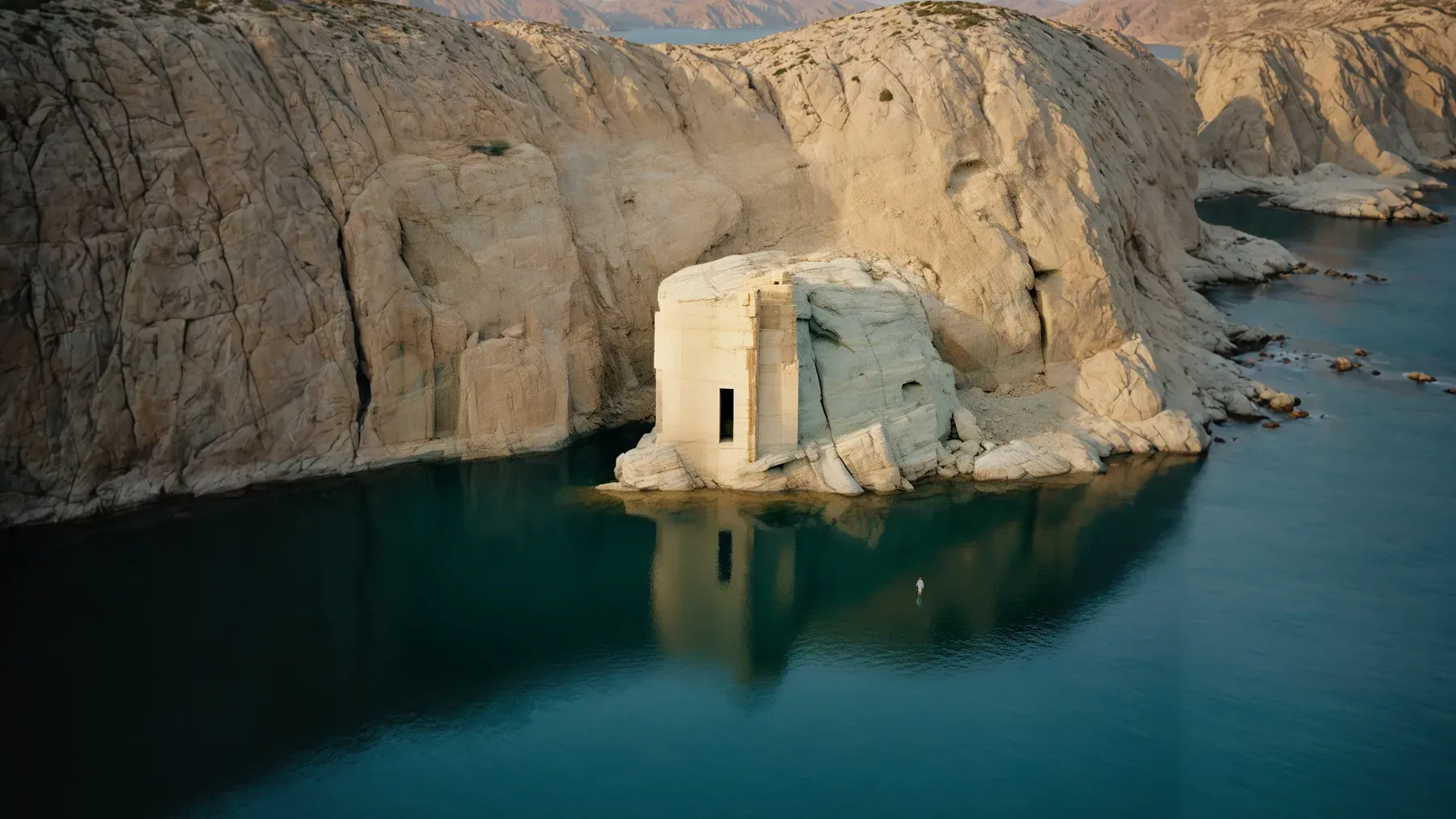
Imagine that road crews expose a rock-cut chamber before a mountain highway is widened. Inside, an excavation team finds a small bronze seal beside three storage jars and a collapsed shelf of writing tablets. The seal looks valuable. The index card seems ordinary. Yet the card, found in a provincial museum archive, records that a matching seal entered the collection forty years earlier with its village of origin erased and its donor line overwritten.
The earlier object may have been looted. The new chamber may prove where it came from. Together, they could expose a respected collector, invalidate a museum acquisition, interrupt the highway contract, and strengthen a community’s claim to the threatened hillside. Remove the new seal from its layer, separate it from the jars, or publish a premature translation, and the discovery becomes easier to dismiss.
That is the durable engine of an archaeological thriller: a discovery becomes dangerous because evidence, custody, interpretation, and living claims converge before anyone can control the result. Archaeological context turns the site into more than scenery. It tells the reader why a fragment matters, what can destroy its meaning, who has authority to act, and which present institution profits from uncertainty.
The Thriller Starts With a Broken Record
Treasure invites a theft plot. A broken record creates a wider thriller.
The U.S. National Park Service describes archaeological context, also called provenience, through several relationships: chronology, history, culture, society, geography, and association with other finds. The useful question for a novelist is therefore larger than “What is the object?” Ask what relationship would disappear if somebody moved it.
For the chamber story, write a one-page discovery record before outlining the chase:
- The bronze seal rests below fallen shelf plaster, beside a jar containing charred grain.
- Two tablets share the same witness mark, while a third was added a generation later.
- The chamber opens onto a water channel still maintained by nearby residents.
- The earlier museum seal has a vague acquisition date and no legal export record.
- Highway drilling begins in eleven days, shortly before seasonal rain reaches the exposed entrance.
Each fact supports a different inference. The layer dates collapse. The grain may connect the tablets to drought storage. Repeated witness marks may establish an institution rather than one famous ruler. The channel connects ancient construction to current land use. The acquisition gap gives the inspector a reason to investigate the museum.
These inferences should remain provisional. Archaeology works through association and comparison, and your thriller becomes fairer when readers can distinguish an observation from an interpretation. A character may say, “The seal was beside the jar.” That is an observed relationship. “The seal authorized grain taxes” is a hypothesis. “This proves the ancient state owned the valley” is a political claim built on that hypothesis.
Put those three levels in separate columns while drafting. Then let pressure collapse them. A minister repeats the political claim as settled history. A television reporter describes a hypothesis as a translation. A collector calls the object an isolated curiosity because isolation protects the old acquisition. The plot moves whenever somebody promotes a fragile inference into public certainty.
The approach used in historical mysteries where clues belong to their period is useful here: material limits and record-keeping practices should shape what can be known.
Give the Discovery a Context Bundle
An excavation scene gains tension from controlled sequence. Before anyone lifts an object, the team may photograph it, locate it within a grid, describe the surrounding deposit, assign an identifier, record its condition, and decide how it can be stabilized. Practice varies by project and jurisdiction. The dramatic principle stays consistent: every intervention saves one kind of evidence while risking another.
Create a context bundle for each crucial find. It can contain five parts:
- Position: the find’s horizontal and vertical location.
- Association: nearby objects, features, soil, remains, and architecture.
- Condition: moisture, cracks, corrosion, biological growth, and immediate hazards.
- Custody: who found, handled, packed, transported, examined, and stored it.
- Interpretation history: who proposed each reading, from which evidence, and with what confidence.
Now turn the bundle into scene decisions. Rain is forecast, and the conservator believes the writing tablets may split if they dry too quickly. Leaving them in place risks water damage. Moving them before the chamber is fully recorded risks losing associations. The field director must choose a stabilization plan while a government inspector, highway engineer, and community representative each hold a different kind of authority.
The choice produces traceable consequences. Suppose the team documents and lifts only the most exposed tablet. A leaked photograph later shows a second tablet on conservation foam before its authorized removal. Readers can infer that somebody entered the chamber during the evacuation. The foam narrows access. A reversed scale bar indicates the photograph was mirrored before publication, which explains why an apparent symbol was mistranscribed. Technical practice has now delivered a clue, a suspect pool, and an interpretive reversal.
The bundle also prevents a common problem in archaeological adventure fiction: an expert identifies an object from across the room and instantly knows its meaning. Let expertise distribute across the cast. The field director reads stratigraphy. The conservator understands material change. A language specialist compares signs. A community historian recognizes that a supposedly decorative mark still appears on water-allocation tokens. A survey engineer knows which drilling vibration could destabilize the chamber. Their conclusions become reliable through contact, disagreement, and correction.
Janet Burroway’s Writing Fiction argues that setting carries information and emotion, and that conflict between character and background already contains the beginnings of narrative. That insight matters especially here. Dust, water, slope, access roads, burial placement, vegetation, and weather should act on the investigation. A site that could be exchanged for another famous ruin has surrendered much of its story value.

Put Four Clocks on the Dig
One deadline makes characters hurry. Four interacting clocks force them to choose what deserves protection.
The first is the physical clock. Rain enters the chamber in six days. A retaining wall is shifting. Pigment flakes after exposure. Highway vibration advances toward the site. This clock should follow researched material conditions instead of convenient collapse.
The second is the administrative clock. The emergency excavation permit expires. A stop-work order can be reviewed. A judge will hear the land petition. The ministry must decide where finds will be stored. Administrative time is valuable because antagonists can manipulate it through ordinary power: delay an inspection, narrow a permit, schedule demolition during a holiday, or release a report before consultation is complete.
The third is the market clock. Illicit objects become harder to recover after they acquire paperwork, restoration, publication history, and respectable owners. UNESCO’s material on the 1970 Convention emphasizes inventories, export certificates, dealer records, movement controls, and evidence supporting return claims. In fiction, every missing photograph or altered accession number helps a trafficked object cross from suspicious material into a plausible collection history.
The fourth is the trust clock. Residents have already watched outside researchers arrive, take knowledge, and leave. The field director may have only one meeting in which to show that consultation can change the plan. If she uses private testimony in a press conference, that clock reaches zero even if her factual interpretation is correct.
Bring the clocks into the same scenes. The ministry offers refrigerated transport for the tablets, yet the transfer form names the national museum as permanent custodian. Signing protects the objects from rain and weakens the promised return. Refusing preserves leverage and increases material danger. A real choice changes at least two clocks in opposite directions.
Make Authority Fragment Across Rooms
“Who owns the artifact?” sounds like the central question. It is too broad to organize a convincing plot. Separate the powers that the story has compressed into ownership.
Who can stop construction? Who can authorize entry? Who controls human remains? Who chooses the conservation laboratory? Who may publish photographs? Who can issue an export certificate? Who can inspect museum records? Who can speak for a family, village, nation, or descendant community? Who decides whether testimony is public?
Place the answers in different rooms. The highway agency controls the construction schedule. A heritage ministry issues excavation permissions. The community council controls access across communal land. Descendant representatives decide whether research involving remains proceeds. A museum registrar maintains acquisition files. A customs unit can hold a shipment. A court can preserve the status quo while claims are heard.
Fragmented authority gives secondary characters real work. The inspector cannot seize a collector’s shipment merely because she distrusts it. She needs an inventory connection or another lawful basis. The community historian cannot halt drilling alone, yet she can withdraw access to the channel that the stabilization plan requires. The conservator cannot settle custody, though her condition report can make immediate movement indefensible.
The Society for American Archaeology’s ethics principles acknowledge that professional duties can conflict. Characters may share a desire to protect the archaeological record while disagreeing about excavation, study, display, or return.
Human remains require particular care. Smithsonian policy and repatriation practice frame respectful engagement, consultation, shared stewardship, and ethical return as substantive responsibilities. A thriller can portray those responsibilities as sources of consequential decisions. It should avoid using ancestors as atmospheric props or treating consultation as a clue-delaying nuisance.
For complex hearings, permits, and evidentiary thresholds, the craft principles in writing a legal thriller can help you turn jurisdiction into strategy. Research the actual law of your chosen location, since international conventions, national heritage laws, private property, Indigenous rights, and museum policy do different work.
Let the Trafficker Launder Certainty
An effective archaeological-thriller antagonist rarely needs a private army. The stronger threat is a network that can turn uncertainty into legitimacy.
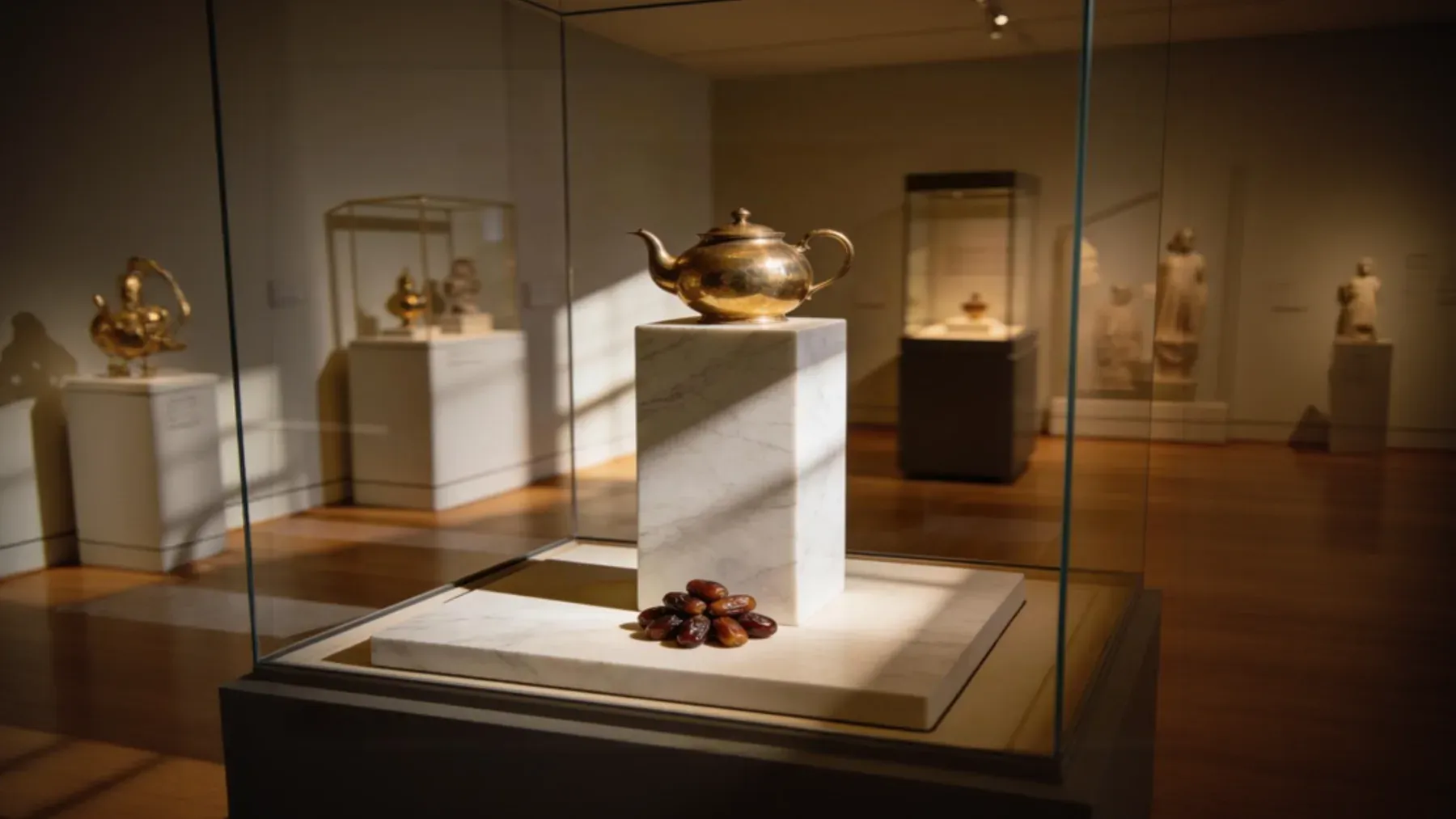
Start with the object’s path from ground to buyer. A local intermediary receives coordinates from a survey subcontractor. A restorer cleans away soil that could identify the source. A dealer supplies an old family story. A scholar publishes the object without a secure excavation context. An auction catalogue cites that publication. A collector purchases the object and later donates it to a museum. Each participant performs a limited task, and several can claim they never witnessed the original removal.
The villain’s advantage comes from controlling junctions in that path. The highway contractor knows which sites will be exposed. The foundation funds rescue excavations. Its director introduces finds to specialists and sits on a museum acquisitions committee. He can recognize valuable material early, suppress an inconvenient location, and create respectable paperwork after removal.
Give the investigators a provenance problem they can actually solve. The old museum index card lists the donor, year, dimensions, and a vague origin. Under angled light, the registrar finds erased pencil beneath the village line. A conservation image reveals that the old seal had red mineral accretions before restoration. The new chamber contains the same mineral in a narrow water-laid band. The seals also share an unusual edge flaw produced by one mold.
Together, the clues predict records that should exist if the collector’s account were true: an export certificate, border declaration, early photograph, correspondence with the stated former owner, or published parallel. Their absence matters because the claimed route requires them.
This is where fair-play mystery design strengthens the thriller. Give readers the custody gaps, physical correspondences, and conflicting dates early enough to form a theory. The final revelation should reorganize visible evidence rather than introduce a secret laboratory result on the last page.
Build the Climax Around Preservation
The highway contractor begins drilling during an appeal, relying on the claim that the chamber has already been emptied. At the same time, the foundation director moves the old museum seal into a diplomatic shipment scheduled to leave that evening. The protagonists cannot chase both threats with one body, which is why the authority map and distributed expertise matter.
The field director stays at the site. She works with the engineer to establish where vibration readings cross the project’s own safety threshold. The community council closes the access road under an earlier water-maintenance agreement. The conservator secures the exposed tablets in their documented positions. Their goal is to keep the chamber and its evidence legible long enough for lawful intervention.
The inspector and registrar go to the freight depot. The registrar brings the original accession card, conservation photographs, and inventory history. The inspector connects those records to the shipment declaration and the active investigation. Their success depends on paperwork the novel has taught readers to understand.
The emotional decision belongs to the field director. A broadcaster offers to stream the treaty translation, which could create public pressure quickly. The community historian warns that the translation is incomplete and the underlying oral account was shared for restricted review. The field director refuses the shortcut. She releases the documented drilling violation and acquisition discrepancy, evidence she has authority to share. That narrower disclosure stops immediate damage without taking control of somebody else’s knowledge.
After the arrests and injunction, leave interpretation alive. The chamber is stabilized. Research access follows a jointly written agreement. The old seal enters a return process. Highway plans are revised while the land case continues. A responsible ending can resolve the criminal action and show that stewardship remains ongoing.
Keep the Whole Record Visible While Drafting
An archaeological thriller asks the writer to coordinate physical evidence, professional knowledge, institutional power, cultural responsibility, and a fast plot. NovelOS Studio is built to keep those elements inside one authoritative novel project, so the discovery can grow more complex without becoming vague.
- Build the archaeologists, conservators, engineers, residents, inspectors, registrars, dealers, officials, and descendant representatives in The Oracle, including what each person can observe, authorize, risk, and misunderstand.
- Map custody, funding, kinship, consultation, land access, professional loyalty, and illicit trade through Connections.
- Store the site, layers, objects, institutions, laws, oral accounts, conservation limits, and disputed interpretations in The Architect.
- Use Spark to test alternate discoveries and adversary moves before committing to the version that creates the strongest present-day consequences.
- Arrange excavation actions, leaks, transfers, hearings, storms, and recoveries in The Blueprint. Its Timeline View can keep ancient events, earlier removals, current physical events, and character knowledge in separate order.
- Draft the investigation in Manuscript and use Alchemist to revise explanations that have become dense while keeping control of every change.
- Track research questions, consultation promises, context bundles, custody gaps, scene progress, chapter targets, and daily writing goals with the Studio’s goals and trackers.
- Prepare a review or release through Editorial Foundry, with export options including standalone HTML, EPUB, PDF, DOCX, RTF, Markdown, and TXT.
Desktop builds support Windows and macOS. Move the complete project between computers by exporting and importing a .novelos archive. Activate the license on every personal device you own; mobile is an iOS and Android app installed from the browser on the same licence.
The reader should finish an archaeological thriller understanding why the find mattered in the ground, why its record became dangerous, and why preserving evidence did not grant one discoverer ownership of the past. Build that chain in NovelOS Studio, where the site, claims, clues, clocks, and manuscript remain connected from the first survey mark to the final custody decision.
Sources and further reading
- National Park Service: What Is Archeological Context?
- National Park Service: Archeological Documentation Guidelines
- Society for American Archaeology: Principles of Archaeological Ethics
- UNESCO: Convention on Illicit Import, Export, and Transfer of Cultural Property
- UNESCO: About the 1970 Convention
- Smithsonian National Museum of Natural History: Shared Stewardship and Ethical Returns
- Janet Burroway, Elizabeth Stuckey-French, and Ned Stuckey-French, Writing Fiction: A Guide to Narrative Craft, 3rd edition, chapter 6, PDF pages 185 to 187 in the local theory library.