Every Line in a Secret Meeting Should Carry Risk
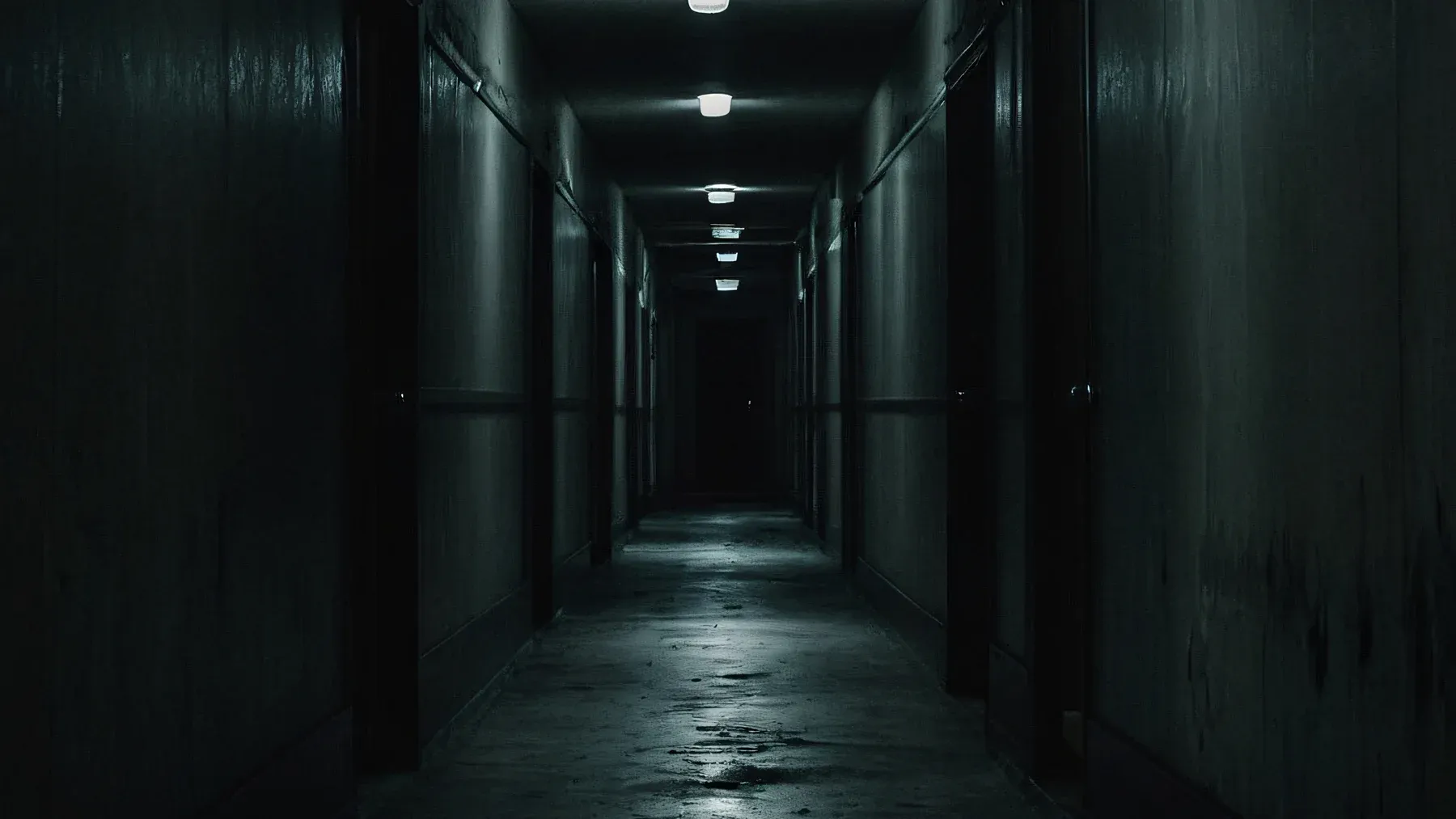
To learn how to write a secret meeting scene, begin with a practical question: why must these characters risk meeting face to face tonight? If a letter, anonymous drop, or ordinary conversation could accomplish the same work, the secrecy is decoration. If the meeting exposes a loyalty, creates evidence, or places a loved one in danger, every choice inside it matters.
Consider a city records clerk who has copied the route for a dawn prisoner transfer. A railway organizer wants the route, but the clerk will surrender it only after seeing proof that the organizer can extract the clerk’s detained spouse. They meet in a condemned public bathhouse shortly before the night watch changes. The clerk fears both the authorities and the resistance. The organizer suspects that one name on the transfer list belongs to an informer. Each needs the other, neither can verify the whole story, and the useful information becomes more dangerous once shared.
That is the pressure system for the scene. The characters enter with different knowledge, incompatible terms, and limited time. Their conversation should change those conditions beat by beat. A tense secret meeting is therefore a sequence of costly decisions, not a delayed exposition delivery.
Make Attendance the First Irreversible Choice
The meeting begins before either character speaks. Agreeing to attend already reveals need, access, and a willingness to cross a boundary. A careful writer knows what that attendance costs each participant and lets the reader feel the cost during the approach.
The records clerk cannot explain the copied route in writing because several prisoner names are aliases. A dead drop cannot answer questions about which guards can be bribed. An intermediary would add one more person who could expose the clerk. The railway organizer also has reasons to appear in person: the proof of life must be authenticated, the proposed escape route may change after the watch report, and the organizer wants to observe whether the clerk recognizes a deliberately altered name.
These reasons close safer alternatives and establish what requires live interaction. Test the premise against four escape routes:
- Could the information travel in a message?
- Could an object be left for collection?
- Could a trusted intermediary conduct the exchange?
- Could the characters wait for a safer time or place?
For every plausible alternative, supply a story-specific reason it fails. A cipher has been compromised. The object requires authentication. No intermediary is trusted by both factions. The transfer begins at dawn. Attendance then feels like a rational acceptance of danger.
Now define the cost of absence. If the clerk stays home, the spouse leaves the city in chains. If the organizer fails to appear, the resistance loses its only accurate route and confirms the clerk’s suspicion that the promised rescue was invented. Absence must also affect the relationship. The organizer may interpret an empty room as proof that the clerk chose the state. The clerk may conclude that the resistance considers one captive expendable.
This gives the approach weight. The clerk checks whether a shop window reflects a follower, leaves a tram one stop early, and enters through the furnace yard. Readers understand the consequence of being seen.
The first encounter should revise an expectation. The clerk anticipated the organizer’s commander but finds a junior operative. The organizer expected a frightened bureaucrat but notices lime dust on the clerk’s coat, evidence that another archive entrance has already been opened. Before the bargaining begins, both characters have learned something that changes how they proceed.
Let the Room Restrict Every Exchange
A secret location earns its place in the scene when its physical conditions alter speech, movement, evidence, and escape. James Scott Bell describes suspenseful setting as a force that makes circumstances close in on a character. Apply that principle literally. Decide what the room permits, what it prevents, and how long its privacy can last.
The condemned bathhouse has two entrances, but neither participant can watch both from the central chamber. A cracked steam pipe masks low voices while making footprints appear on the tile. Speaking beside the furnace offers warmth and privacy, yet it leaves the exit out of sight. The building keeper checks the boiler when the municipal pressure drops at midnight. A patrol crosses the guard avenue every twelve minutes.
Each detail must create a decision. The organizer opens the steam valve to blur the clerk’s face from the street, which risks alerting the keeper. The clerk refuses to move behind a tiled screen because it would give the organizer control of the only dry path to the door. The route map cannot remain unfolded near the pipe. A location becomes active when characters must trade one kind of safety for another.
Rain, footsteps, flickering light, and a distant siren lose force when none changes the conversation. After two harmless noises, readers treat warnings as mood effects. A useful disturbance has a consequence even when no intruder appears.
Suppose the clerk hears the keeper’s broom and hides behind the screen. The organizer is left alone with the route map for nine seconds. She turns one corner of the paper and sees a second destination written underneath. When the clerk returns, both know that the information balance has changed. The interruption has advanced the negotiation, introduced a new question, and given the clerk a reason to wonder what she read.
Write a compact security model before drafting:
- Visibility: who can see the entrance, the characters, or the exchanged object?
- Sound: which words carry, and which noises conceal an approach?
- Evidence: what trace will remain after the participants leave?
- Access: who else has a key, duty, habit, or legitimate reason to enter?
- Time: what routine will end the meeting even if nobody discovers it?
- Exit: what must a character surrender to gain a safer route out?
The same principle powers a strong bottle chapter. A boundary is useful because it narrows decisions. In a secret meeting, the boundary also decides how much truth can be risked before privacy expires.

Trade Information in Proof-Sized Pieces
Exposition becomes dramatic when information is exchanged as leverage. The clerk and organizer should not take turns explaining what the reader needs to know. Each offers a piece that proves competence or good faith while retaining enough value to negotiate the next step.
Start by writing four inventories for each participant: what the person knows, what the person believes, what the person can prove, and what the person is concealing. These categories prevent accidental omniscience. They also reveal which statements can be tested during the scene.
The organizer knows that the spouse is alive because she saw the intake ledger. She believes the spouse is held at the river depot because a source recognized the transport seal. She can prove recent contact with half of a handwritten message. She conceals that the source is the clerk’s estranged sister. The clerk knows the published transfer route is false, believes the real convoy will divide at the east bridge, can prove one guard’s duty assignment, and conceals that a second copied list has already been sold to another faction.
Now divide the meeting into trades. A practical sequence might look like this:
- The organizer shows the date and handwriting on the message while covering its final line.
- The clerk confirms one prisoner’s alias and deliberately gives a false departure time.
- The organizer corrects the time, proving access to another source.
- The clerk reveals which gate requires a municipal seal.
- The organizer names the depot but refuses to identify the source.
- The clerk exposes the second destination beneath the route map.
Every trade should update at least one of three things: knowledge, leverage, or exposure. If a page of dialogue changes none of them, the characters are probably circling information the scene could deliver more cleanly.
Tests make the exchange active. A character can insert a false detail, request a fact only an insider would know, or conceal one identifying mark on an object. Refusal also carries information. The organizer’s refusal to promise every prisoner’s rescue reveals limited capacity. The clerk’s refusal to name the second copyist reveals another buyer.
Use delay with care. Bell’s discussion of dialogue and suspense distinguishes useful withholding from empty postponement: delay works while purposeful action continues. The organizer may refuse to uncover the last line of the message until the clerk identifies the east-bridge signal. During that delay, the reader watches proof, trust, and options change. Repeating vague warnings for a page would only stall.
The article on writing an interrogation scene offers a helpful neighboring technique. Separate what a character wants to discover from what that character can establish. A secret meeting differs because both participants usually hold evidence and both can walk away, but the discipline of tracking claims, proof, and challenge remains valuable.
Build Subtext From Unsafe Truths
Subtext is the meaning readers infer from staging, word choice, gesture, silence, and context. It is especially useful in a secret meeting because direct speech has several audiences: the person across the room, a possible listener, and sometimes the speaker’s own conscience. Yet obscurity alone is not subtext. Readers need enough context to interpret why a plain sentence is charged.
Charles Baxter writes about the half-visible and unspoken emerging through dramatic placement. In practice, that means the clerk’s position beside the furnace, the organizer’s hand on the folded message, and a silence after a specific name can carry meaning that the dialogue leaves unstated. The physical behavior must connect to an established desire or threat.
For example, the organizer says, “Your sister remembered the blue station clock.” On the surface, she is authenticating the source of the message. Underneath, she has revealed that she knows a family detail and may have contacted the clerk’s sister. The clerk folds the map along the east bridge, hiding it. That response tells the reader the sister matters and that the organizer has approached a dangerous boundary.
The line works because the underlying truth is legible. A cryptic phrase with no shared context makes readers decode vocabulary before they can consider motive. Establish literal code in advance or let the viewpoint character interpret it. Preserve uncertainty around truth and relationship.
Silence must also do work. When the clerk asks whether all prisoners will be taken off the convoy, the organizer looks toward the steam gauge and resets the valve. The pause avoids a promise. Her action also shortens their privacy by increasing boiler pressure. The clerk can infer both the answer and the cost of pressing further.
Give each silence a cause and an effect:
- A withheld answer forces the other person to raise the offer.
- A delayed reaction reveals that a supposed surprise was expected.
- Attention to an object shows which evidence matters most.
- A change of position protects an exit or concedes space.
- An overly precise answer exposes preparation.
- A correction reveals knowledge the speaker should not possess.
The deeper guide to subtext in fiction explains how readers build these inferences across an entire scene. For this meeting, use a narrower test: after every indirect line or gesture, ask what a careful reader can infer now and which concrete detail makes that inference fair.
Characters still need to communicate under a deadline. Direct statements give the scene a stable surface. Indirect moves gain power when they interrupt clear negotiation where honesty becomes unsafe.
Make the Bargain Contaminate the Next Scene
A secret meeting reaches its dramatic end when a participant accepts, rejects, or changes a course of action. Merely receiving the map closes an information task. A bargain creates future pressure because its terms can fail, be tested, or force a sacrifice.
The clerk agrees to replace the official route sheet before the midnight archive seal. The organizer agrees to divert the spouse at the first checkpoint, but only after the clerk marks the informer on the prisoner list. The clerk must therefore endanger one captive to save another. The organizer must reveal enough of the extraction plan to let the clerk sabotage it. Both leave with an obligation and with new power over the other.
Write the agreement precisely enough that later scenes can measure it. Record who will do what, by when, with which proof, and under which condition. If one term remains ambiguous, let the ambiguity be intentional. The organizer promises to “remove” the spouse from the convoy. The clerk hears rescue; the organizer may mean transfer to a different resistance cell. That wording can become a later fracture because the scene has shown why neither participant asked for clarity.
The exit should demonstrate the revised relationship. The clerk gives up the bathhouse service key. The organizer uncovers the final line of the spouse’s message, exposing the sister’s handwriting. Both gestures make betrayal more expensive.
Then show one immediate consequence. A patrol officer notices moisture on the clerk’s sleeve. The organizer reaches the rail yard and finds the second buyer already waiting. The clerk returns to the archive and discovers that the replacement route sheet bears a fresh fingerprint. The meeting should push the novel forward before the emotional temperature cools.
This is also the answer to “What makes a secret meeting change the next scene?” The bargain must alter available actions, and evidence of the encounter must travel with at least one participant. The next scene should be impossible in its current form without the meeting. For wider suspense planning, build uncertainty around choices and consequences across the chapters before and after the exchange.
During revision, make a beat ledger with one row for every meaningful offer, test, refusal, discovery, and decision. Track the state before and after each beat.

NovelOS Studio gives that ledger a permanent place beside the manuscript and connects it to the rest of the novel:
- Use Spark to explore who requested the meeting, which safer channels failed, and several bargains that could complicate the following chapter.
- Record each participant’s objective, private knowledge, false belief, loyalty, and emotional limit in Cast & World.
- Map the clerk, spouse, sister, organizer, informer, resistance cell, and city watch in Connections so every disclosure changes a visible relationship.
- Build the bathhouse entrances, sound paths, steam system, keeper’s routine, and local history in The Architect.
- Place the attendance cost, information trades, power reversals, exact bargain, and aftermath on a Scene Card in The Blueprint.
- Align the patrol interval, boiler check, archive seal, dawn transfer, and promised extraction in Timeline View, then use goals and writing trackers to keep the chapter moving with the larger draft.
- Draft the restrained dialogue and physical reactions in The Manuscript, where the scene remains connected to its plan and story context.
- Test alternative phrasings in The Alchemist while preserving the original passage and deciding which changes truly sharpen the subtext.
A convincing clandestine scene leaves the characters with less safety and more responsibility than they had on arrival. Build the pressure from necessity, let the room narrow their choices, trade information in pieces that can be tested, and finish with terms that infect what follows. NovelOS Studio keeps the knowledge, relationships, location logic, timeline, scene design, prose, and progress of that exchange connected as you carry its consequences through the whole novel.
Sources and further reading
- Janice Hardy, “Shh! It’s a Secret: How to Raise Tension and Conflict in a Scene”
- Charles Baxter, The Art of Subtext: Beyond Plot, especially the introduction and “The Art of Staging.”
- James Scott Bell, Conflict & Suspense, especially “Dialogue and Suspense” and “Suspense in Setting.”