How to Build Suspense in a Novel Without Constant Action
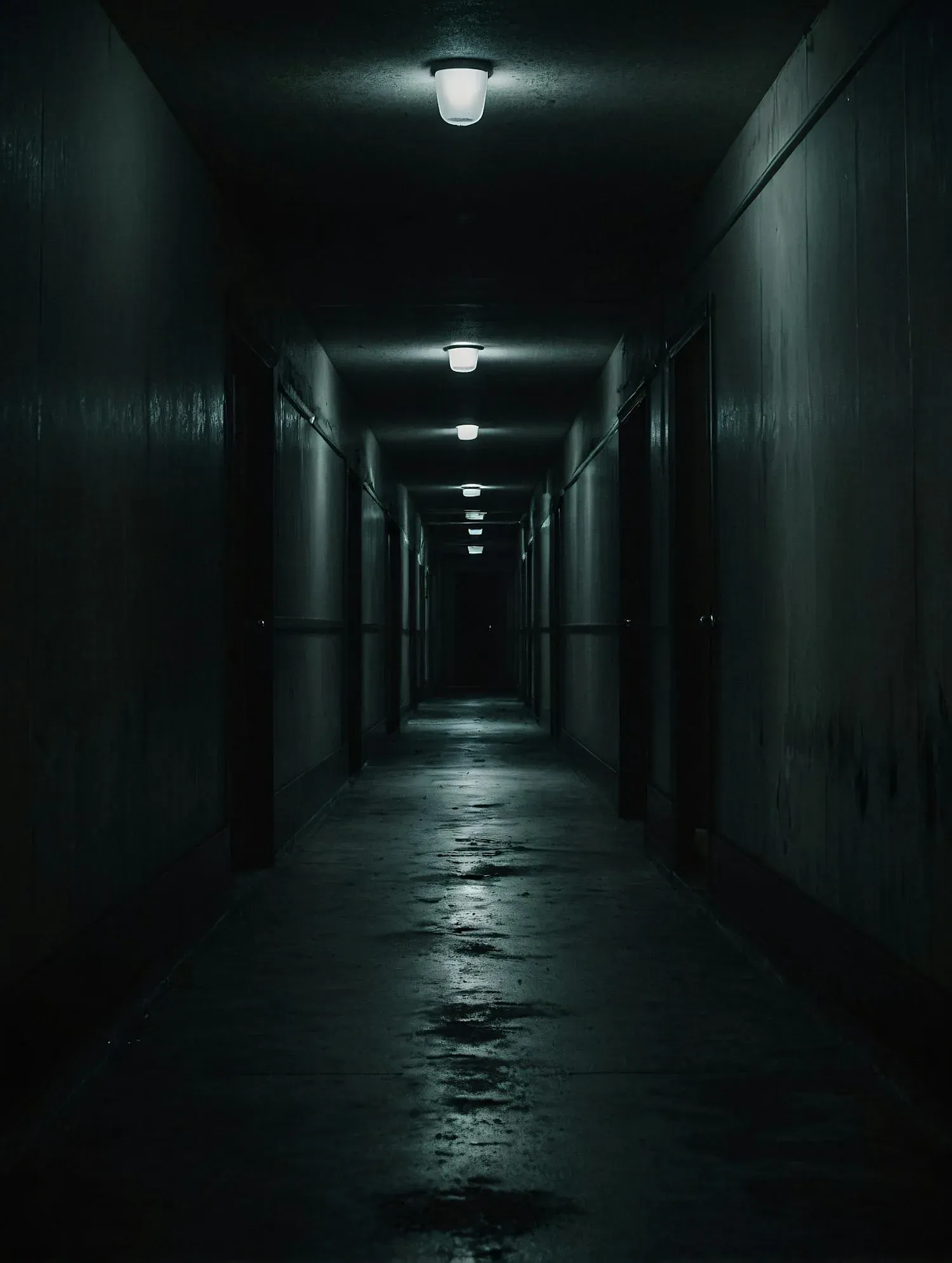
The locked door is not suspenseful by itself.
Suspense begins when Lena hears someone trying the handle from the other side, knows her missing daughter’s coat is in that room, and realizes the only key is in the pocket of the man standing behind her.
Nothing has attacked her. No chase has begun. The scene is tense because the reader can see several possible outcomes, wants one of them urgently, and cannot yet know which will happen.
That is the central principle behind how to build suspense: create anticipation around a meaningful uncertainty. Action can intensify it, but action is not the source. A novel can contain explosions and remain emotionally flat if the reader does not understand what might be lost. It can also hold a reader through a quiet dinner because one guest knows the host has poisoned the wine.
Suspense is often associated with thrillers, mysteries, and horror, but every genre uses it. A romance asks whether trust will survive a revelation. A family drama delays a confession. A fantasy novel lets the reader watch a treaty approach collapse. Even comedy builds pressure by making us anticipate the moment a deception becomes impossible to maintain.
The craft lies in deciding what the reader knows, what the character knows, what each fears, and how long the story can keep those elements from settling into certainty.
Suspense Gives the Reader Something to Fear Forward
Surprise looks backward. The floor collapses, and afterward we understand that it was unstable. Suspense looks forward. The floor groans, a crack spreads beneath Lena’s foot, and the person she needs to reach is still on the other side.
Both effects are valuable, but they create different reading experiences. Surprise produces a jolt. Suspense makes the reader participate in the approach.
For that participation to work, the uncertainty needs shape. “Something bad may happen” is too vague for long. The reader needs to sense a range of possibilities and care about the difference between them. Will Lena open the room before the man notices she has taken his key? Will the daughter be inside? If she is, will she be alive? If the room is empty, what does the coat mean?
Each question should be concrete enough to imagine yet open enough to remain unstable.
Desire gives those questions emotional weight. Lena wants more than information; she wants her daughter back. Fear gives the desire an opposing future. The coat may be evidence of captivity, injury, betrayal, or a false trail. Time makes delay expensive. The man behind her is finishing a phone call. When he turns around, her chance will vanish.
This combination of desire, feared outcome, uncertainty, and time can make a nearly motionless moment feel urgent.
The reader does not always need to share the character’s ignorance. Dramatic irony often creates stronger suspense. If readers already saw the daughter escape through a window, they will not fear that she is dead. They may instead fear that Lena will enter the trap left behind. Knowledge removes one uncertainty while creating another.
That is why withholding everything usually weakens suspense. Confusion is not the same as anticipation. If readers do not know why the room matters, who Lena is, or what she risks by stealing the key, they have nothing definite to fear forward. Mystery asks, “What is happening?” Suspense asks, “What will happen when these forces meet?” A novel can ask both, but the reader needs enough footing to care.
Before extending a tense passage, identify the promise beneath it:
The reader hopes [desired outcome], fears [credible alternative], and must keep reading because [approaching pressure] will force an answer.
If one part is missing, adding more ominous description will not solve the problem.
Control Information, Then Make Waiting Cost Something
Writers sometimes treat information as a curtain: keep it closed for as long as possible, then pull it aside. Effective suspense is more active. Information arrives in pieces, and every piece changes the danger.
Lena sees the coat. Then she notices it is dry although the daughter disappeared in a storm. A button has been resewn with red thread, something her daughter would never do. In the pocket is a receipt dated two days after the disappearance.
The clues delay an answer while changing it. They revise the question. Perhaps the coat was planted. Perhaps the daughter returned. Perhaps someone wants Lena to believe she did.
This is the difference between delay and development. Delay postpones what the reader already expects. Development forces the reader to reconsider what the answer could mean.
A new piece of information should ideally do at least one of three things: narrow a possibility, introduce a more dangerous possibility, or change who appears to hold power. When a revelation does none of these, it may be exposition rather than suspense.
Waiting must also have a cost. If Lena can return tomorrow with the police and lose nothing, the locked room has limited pressure. Perhaps the building will be demolished at dawn. Perhaps reporting the man will expose Lena’s own crime. Perhaps her daughter warned her never to involve the police. The obvious solution becomes dangerous, and the character must choose among imperfect routes.
This is where suspense connects to story conflict, but the two are not identical. Conflict creates incompatible forces. Suspense governs the reader’s anticipation of their collision. A courtroom argument contains conflict; knowing the defense attorney has one minute before a hidden witness leaves the building creates suspense around it.
The most reliable way to escalate is not to make the threat louder. Make the choices narrower.
At first Lena can leave, confront the man, call for help, steal the key, or wait. Then the man’s call reveals that someone else is approaching. Leaving may mean losing the trail. Calling for help may alert the accomplice. Confrontation may cause the evidence to disappear. The story closes exits one by one until every remaining action exposes something she values.
Quiet scenes benefit especially from this kind of narrowing. At a dinner table, a character may be free to change the subject, make a joke, excuse herself, tell a partial truth, or confess. As other guests reveal what they know, those exits disappear. The scene becomes suspenseful because ordinary conversation is moving toward a moment the character cannot safely avoid.
Pacing determines how long the approach remains pleasurable. Short sentences can accelerate a decisive moment, but suspense often needs room. A character notices, interprets, considers, and chooses. If the prose rushes past every stage, readers register events without inhabiting anticipation.
Slow down around decisions, not around decoration. Let the reader understand the option Lena is about to take and the outcome she fears. Then interrupt, complicate, or force commitment. The pause matters because it is filled with consequence.
Give the Pressure a Release That Leaves Damage
Suspense cannot remain at maximum intensity indefinitely. If every chapter ends with a weapon raised, every stranger hides a secret, and every answer creates three more questions, the pattern becomes visible. Readers stop anticipating outcomes and begin noticing the machinery.
A novel needs variation. Tension rises, resolves, and leaves a changed situation from which another tension can grow. Some questions can cross the whole book, but smaller questions should receive real answers along the way.
Lena opens the door. Her daughter is not there. That answer releases one fear, but inside she finds a recording that proves the daughter entered willingly. The scene replaces one cliffhanger with a changed situation. It changes Lena’s emotional and practical position. She must consider that the person she is trying to rescue may be hiding from her.
Release is satisfying when it pays for the reader’s attention. The answer can hurt, surprise, or complicate, but it should make earlier details more meaningful. If every clue is dismissed as a trick, readers learn that interpretation is pointless.
Consequences also prevent suspense from feeling artificial. A dangerous decision should leave evidence, guilt, injury, lost trust, a new enemy, or reduced options. Lena stole the key and lied to the man. Even if she escapes the room, the relationship and investigation cannot reset.

This is why the strongest cliffhangers are usually decisions rather than interruptions. “A gunshot sounded” creates a question, but “Lena aimed at the person she came to save” creates a question rooted in character, history, and consequence. The reader wants to know what happens and understand what she has become willing to do.
Revision is the best time to calibrate this rhythm. On a first draft, suspense may depend on what the writer did not yet know. Once the answer is clear, earlier scenes can be shaped to create fair uncertainty rather than accidental vagueness.
Trace each major suspense line backward from its release. What did the reader need to know for the answer to matter? Which detail prepares it without announcing it? Which apparent possibility should remain alive? Where does the character make the problem worse? If the answer relies on information introduced at the last second, the surprise may work but the suspense will have had nothing solid to build upon.
Manage Suspense Across the Whole Novel
A single tense scene can be held in working memory. A novel cannot. The writer must track unanswered questions, character knowledge, clues, deadlines, relationships, locations, and the changing meaning of details across tens of thousands of words.
This is where NovelOS Studio turns suspense from scattered notes into a connected writing process.
In The Blueprint, suspense lines can be placed across Scene Cards and Timeline View. You can see where a question begins, where pressure escalates, and where the reader receives an answer. A long empty stretch becomes visible before it becomes a sagging middle; a cluster of simultaneous revelations can be redistributed before they exhaust one another.
The Oracle holds the human logic beneath those lines. Fears, motives, loyalties, secrets, and relationships explain why a threat matters and why a character cannot take the safest route. The Architect keeps world rules, institutions, geography, and history consistent when suspense depends on what is possible, forbidden, or known.
When the structure exists but the route feels predictable, Spark Ideation can explore alternate complications and consequences without replacing the writer’s intent. The useful question is not “What random twist can happen?” but “What outcome would grow naturally from the choices already made and make the next choice harder?”
Inside The Manuscript, those plans remain close to the prose where suspense actually lives: in sentence rhythm, withheld replies, selected details, and the space between a realization and a response. The Alchemist supports the revision pass when a clue is too obvious, a paragraph releases pressure too early, or a decisive moment needs cleaner language.
The system matters because suspense is continuity experienced as emotion. Readers feel when the story remembers a promise, when a secret remains dangerous, and when a consequence reaches the person who caused it.
You do not need constant action to keep them reading. You need a future they can imagine, an outcome they urgently prefer, and a story honest enough to make them wait without wasting that hope.
Sources and further reading
- James Scott Bell, Conflict & Suspense: conflict, scene tension, anticipation, and the foundations of suspense.
- Jane K. Cleland, Mastering Suspense, Structure, and Plot: controlling information, escalation, reveals, and payoff across a novel.
NovelOS Studio keeps those suspense decisions connected from the first planted question through Scene Cards, character knowledge, Manuscript, and the final revision pass.