Portal Fantasy Stays Powerful When Home Remains a Real Choice

The service elevator in a hospital has no thirteenth-floor button. It opens there anyway when an instrument restorer rides alone after learning that his dying mother has refused another experimental treatment.
Beyond the doors stands a mountain station beneath two moons. Its healers can suspend a person’s final breath inside a glass seed. The restorer believes he can carry one back before his mother dies.
The offer would have little force if Earth vanished from the novel. His mother is still making choices. His younger brother is handling doctors alone. A half-restored cello waits in his workshop. Every hour beyond the elevator costs six minutes in the hospital, and someone on Earth can summon the car away.
Portal fantasy draws energy from the relationship between worlds. Wonder may begin with arrival, but choice requires two lives that continue to matter.
What Is Portal Fantasy?
Portal fantasy is a story in which a character crosses an identifiable threshold from a familiar world into a fantastic one, often learning about the secondary world alongside the reader. The crossing creates a comparison: each world’s rules, values, risks, and possibilities change how the character understands the other.
Farah Mendlesohn’s influential fantasy taxonomy describes portal-quest fantasy as a mode in which protagonist and reader enter and learn the fantastic together. The portal can be a wardrobe, door, road, dream boundary, game, book, transport system, or metaphysical transition. What matters structurally is the passage from a smaller understood space toward the fantastic and the rhetoric of discovery that follows.
That structure gives the writer three connected jobs. The familiar world must establish a problem or attachment worth carrying across. The secondary world must operate beyond the protagonist’s private needs. The threshold must create rules and consequences rather than serving as a convenient scene change.
In this example, the restorer leaves because he experiences acceptance of death as abandonment. The other world offers a technology that appears to solve that problem. Its cost turns his private impulse into a public ethical question. Every preserved breath must be carried by a living keeper who loses one autobiographical memory each year.
The fantasy world now challenges him through institutions, history, and people who have paid for the apparent miracle. It does more than illustrate grief in decorative form.
Give Both Worlds a Claim on the Protagonist
The original world needs unfinished business with enough specificity to act from offstage. “He had a disappointing life” makes the portal an escape hatch. A mother with a treatment decision, a brother bearing medical responsibility, a craft he values, and promises he has not kept create competing claims.
Write a home ledger before designing the secondary-world quest:
- Person: Who will make decisions while the protagonist is gone?
- Obligation: What task or promise transfers to someone else during the absence?
- Pleasure: Which part of ordinary life is genuinely worth returning to?
- Conflict: What could change without the protagonist’s consent?
- Object: What familiar item can cross and acquire another meaning?
- Clock: What deadline continues to advance at home?
For the restorer, his mother’s tuning fork becomes the cross-world object. She taught him to recognize an instrument’s structure by sound. In the mountain station, the fork vibrates beside stored breaths and reveals that the seeds contain memories as well as time. His original craft gives him a way to understand the fantastic.
Home also needs wonder. His mother’s ability to identify a piano maker by touch, the hospital choir rehearsing below the ward, and his brother’s plan to turn an abandoned shop into a neighborhood studio all suggest futures outside the other world. Fantasy loses emotional range when magic owns every form of beauty, courage, or meaning.
The secondary world needs its own claim. A keeper who guides the restorer wants the vault opened so suspended people can renew or revoke consent. The station’s council believes the system prevents thousands of deaths and preserves social continuity. Families depend on breaths they were promised would remain safe.
This is where worldbuilding that changes the story matters. Law, labor, ritual, and unequal access should affect who can help the visitor, what the miracle costs, and which outcomes remain possible.
Turn the Portal Into a Rule Matrix
A portal feels real when characters can form expectations, test them, and pay for mistakes. Write its rules under six headings: access, destination, cargo, communication, time, and closure.
The hospital elevator opens only for someone inside it who is actively avoiding a goodbye. That emotional condition makes the crossing relevant to the protagonist, yet it cannot operate like a reusable password. Once he accepts his mother’s decision, he may lose access forever.
The destination is fixed because both sites once served the same function. Earth’s decommissioned thirteenth floor held long-term patients; the mountain station receives departing breath keepers. Architecture carries institutional memory across worlds.
Living bodies and objects carried close to the heart can pass. Radio signals fail. Wounds persist. A glass seed can enter the elevator, though nobody knows whether it will remain stable on Earth. Language becomes intelligible only within sight of the station.
Time follows a six-minute-to-one-hour ratio. Put that conversion on the page early enough for planning. If it changes, connect the variation to a known condition such as distance from the station, number of travelers, or direction of travel. A surprise should reveal the rule’s deeper logic instead of altering the price whenever the plot needs urgency.
Closure has two causes. Someone on Earth can call the elevator, and the station council can seal its landing. This gives both worlds agency over the connection.
Let characters experiment. The restorer sends the tuning fork through, returns briefly, and hears its pitch shift on Earth. The keeper crosses with him but loses comprehension when she steps beyond the elevator’s light. These tests deliver exposition through choices and leave residue for later scenes.
The earlier article on writing a strong portal crossing focuses on what transfers during the threshold scene. For the entire novel, keep a rule matrix and an experiment log. Record hypothesis, test, result, cost, and revised belief. Every discovery should open one option and close another.

Make the Secondary World Resist Being a Personal Metaphor
The breath-keeping system reflects the protagonist’s refusal to let go, but its people cannot exist only to teach him a lesson. The system predates him. It distributes benefits and costs. Groups disagree about reform for reasons connected to their own lives.
One province depends on keepers to preserve navigators who maintain winter trade routes. Wealthy families hire substitutes, while poor districts treat memory loss as civic service. Some suspended people consented under older laws that offered no renewal. The keeper helping the visitor has already lost the memory of her sister’s voice.
This creates several independent conflicts. The keeper seeks renewed consent. The council wants continuity. Current carriers want compensation and a limit on service. Families fear losing loved ones. The restorer wants one seed for a patient who did not request it.
His quest intersects with these pressures without becoming their origin. If he never arrived, the reform struggle would continue. His presence matters because an outsider can carry evidence across the threshold, upset access to the vault, and reveal that the system could be exported.
The local reference Eighth Day Genesis warns worldbuilders to examine intended and unintended consequences and to treat worldbuilding as a means toward story. Apply that principle to the portal itself. If breaths can cross, healers may seek Earth medicine, hospitals may seek the seeds, governments may contest the elevator, and families may travel in both directions. The novel need not dramatize every consequence. It should acknowledge enough of them to make opening the worlds a serious option.
Use the protagonist’s limited knowledge honestly. He can understand the tuning fork, his mother’s wishes, and what one keeper tells him. He cannot summarize an entire culture after a day. Give local characters authority to disagree with his interpretation and make decisions that he does not control.
Run Two Clocks and Two Causal Chains
Parallel worlds become inert when one pauses during the adventure. Build a separate causal chain for each side, then decide where information crosses.
On Earth, the mother removes her older son as medical proxy. The younger brother signs a care plan, contacts relatives, and stops waiting for help. In the station, carriers organize a refusal ceremony, the council closes routes, and the guide loses access to the vault. These actions occur while the visitor searches.
Use a two-clock table with Earth time, secondary-world time, event, decision-maker, information available, and cross-world evidence. If an hour in the station equals six minutes on Earth, twelve station hours still cost seventy-two Earth minutes. Track the conversion exactly. Then decide whether emotional pacing needs a scene, summary, or a brief visual return.
Transitions can reveal change through one altered object or behavior. The chair beside the hospital bed has moved. A consent form that was blank is signed. The keeper now wears a dissident cord. A vault niche stands empty. Concrete changes preserve momentum better than reports covering everything that happened offstage.
Communication should create partial knowledge. A monitor reflection appears for three seconds in the station glass. The restorer sees his mother’s heart rate and misses the conversation around it. His brother receives security footage of him walking into an empty elevator shaft. Each glimpse creates action and misunderstanding on both sides.
The craft for converging parallel plotlines applies here: consequences should cross before the characters do. The brother’s decision changes the value of returning. The keeper’s revolt changes access to the seed. By the climax, the two chains narrow the same choice.
Make the Return Choice Compare Credible Futures
A powerful portal-fantasy ending offers more than dull home versus exciting elsewhere. Develop at least three futures the protagonist could inhabit.
He could stay and help reform the keeper system. The work suits his instinct to repair what others discard, and the secondary world could become a real home. He could return without a cure, respect his mother’s decision, repair trust with his brother, and resume a craft that still matters. He could hold the portal open and connect medicine, trade, and families across both worlds.
Each future needs a benefit, cost, relationship, daily life, and irreversible risk. Permanent connection sounds generous, yet it could export coerced memory labor and turn the hospital into a geopolitical gateway. Staying supports reform while leaving his brother alone during their mother’s death. Returning honors her request while surrendering access to a genuine wonder.
The climax makes all three mutually exclusive. The restorer reaches the vault as Earth calls the elevator and the council seals the station. He can remove one seed, hold the doors for the rebels, or release stored breaths whose original consent has expired. His mother sends a final message through the tuning fork: come to be with me, not to defeat me.
He helps the keeper release those breaths, leaves the seed behind, and enters the car. He returns with no cure. The decision has weight because the other world was valuable enough to keep him.
Return should preserve transformation. He uses the station’s consent ritual when speaking with families in the hospital workshop. The keeper retains the altered tuning fork and later finds a different threshold. Months afterward, he hears its changed note inside a piano. Connection remains possible without cancelling either world’s claims.
Because his mother is still alive when he returns, the ending can depict ambiguous loss and anticipatory grief with care. His growth is visible in what he does with limited time: listen, repair what can be repaired, and stop treating acceptance as surrender.
Keep the Two Worlds Connected in NovelOS Studio
A portal-fantasy manuscript has ordinary-world obligations, secondary-world institutions, crossing experiments, linked objects, unequal clocks, and several viable endings. NovelOS Studio can hold that whole design in one local project while each drafted scene stays immediate.
- Build the restorer, mother, brother, keeper, carriers, healers, and council members in The Oracle, including what each wants from time, care, memory, and consent.
- Map kinship, medical authority, keeper duty, political opposition, and cross-world dependence through Connections and Cast & World.
- Test portal conditions, objects, complications, and three ending futures in Spark before committing them to story canon.
- Use The Architect to check whether both worlds change the premise and whether the portal’s consequences reach beyond one character.
- Arrange each causal chain in The Blueprint. Timeline View can reconcile station hours with hospital minutes, while scene cards record knowledge, test results, resource changes, and closure conditions.
- Draft discoveries and returns with The Manuscript, then examine clarity, rhythm, repeated explanations, and viewpoint distance through The Alchemist.
- Goals and trackers can divide the work into rule validation, world passes, chronology checks, drafting, and revision. Editorial Foundry produces EPUB for ebook release, PDF for print, DOCX for editorial exchange, standalone HTML for the web, and RTF, Markdown, or TXT for flexible reuse.
NovelOS Studio supports local writing on Windows and macOS. Export a .novelos archive when the complete project needs backup or movement to another computer. One personal license activates on unlimited devices you own, while Mobile ships on iOS and Android on the same licence, installed from the browser.
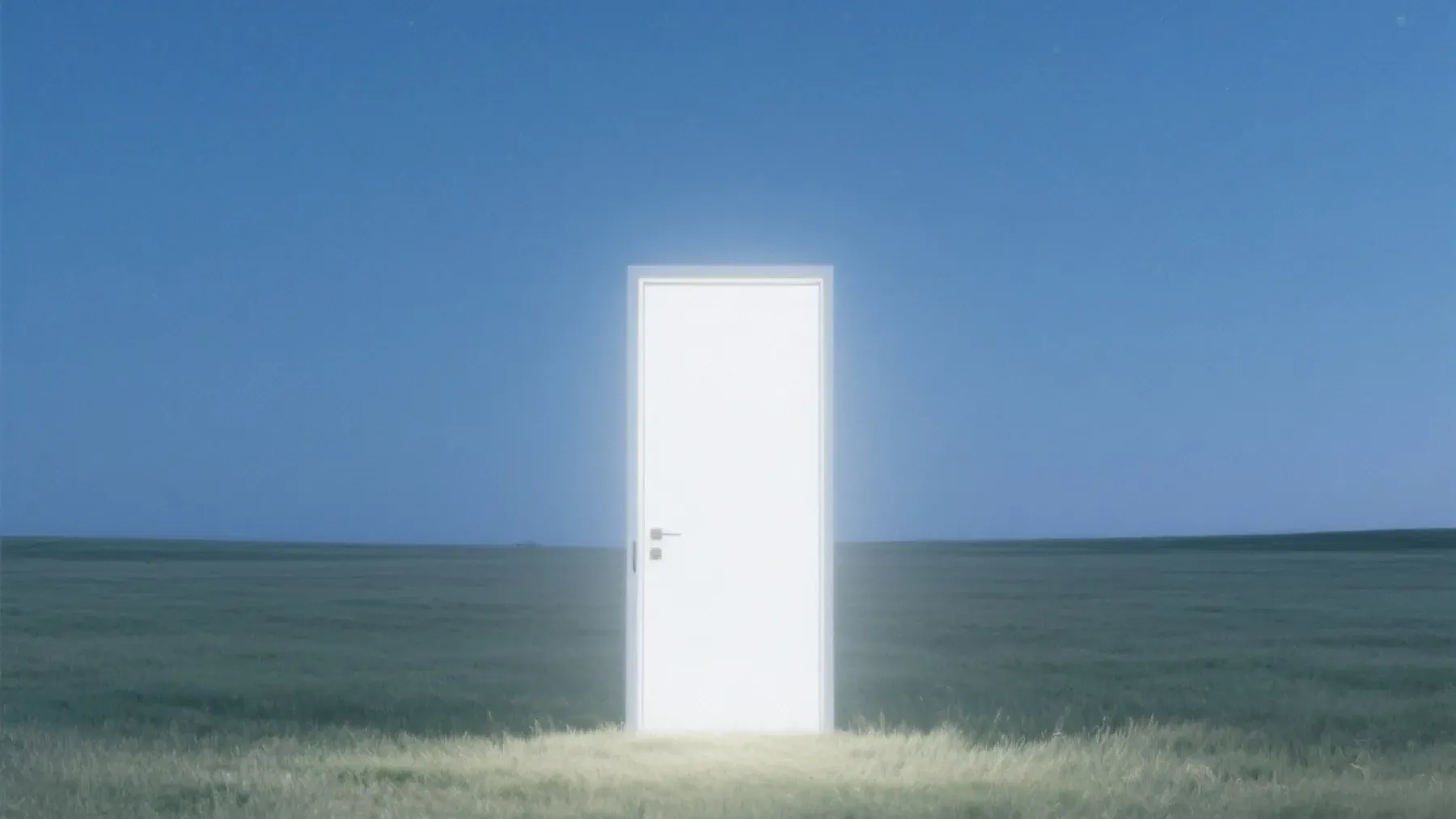
The portal matters because it joins two developed lives. Give home an active claim, make the secondary world exceed the visitor’s needs, and let rules turn crossing into consequence. Build both sides of the journey in NovelOS Studio so the final return answers the character’s deepest question while preserving everything worth carrying from the world beyond the door.
Sources and further reading
- Farah Mendlesohn, Rhetorics of Fantasy (Wesleyan University Press, 2008), the critical taxonomy that distinguishes portal-quest, immersive, intrusion, and liminal fantasy.
- Bartłomiej Błaszkiewicz, “On the Idea of the Secondary World in Susanna Clarke’s Piranesi”, Anglica 30, no. 1 (2021), on secondary worlds and portal-fantasy tradition.
- Alex Lawrynas, “The Meta-Portal Fantasy” (Florida Atlantic University, 2025), on movement between primary and secondary worlds and the character effects of crossing.
- Sabrina A. Gelbart, ed., Eighth Day Genesis: A Worldbuilding Codex for Writers and Creatives. Local reference copy consulted; PDF pages 48 and 201 were visually inspected for unintended consequences and worldbuilding in service of story.