An Older Character Still Has an Unfinished Future
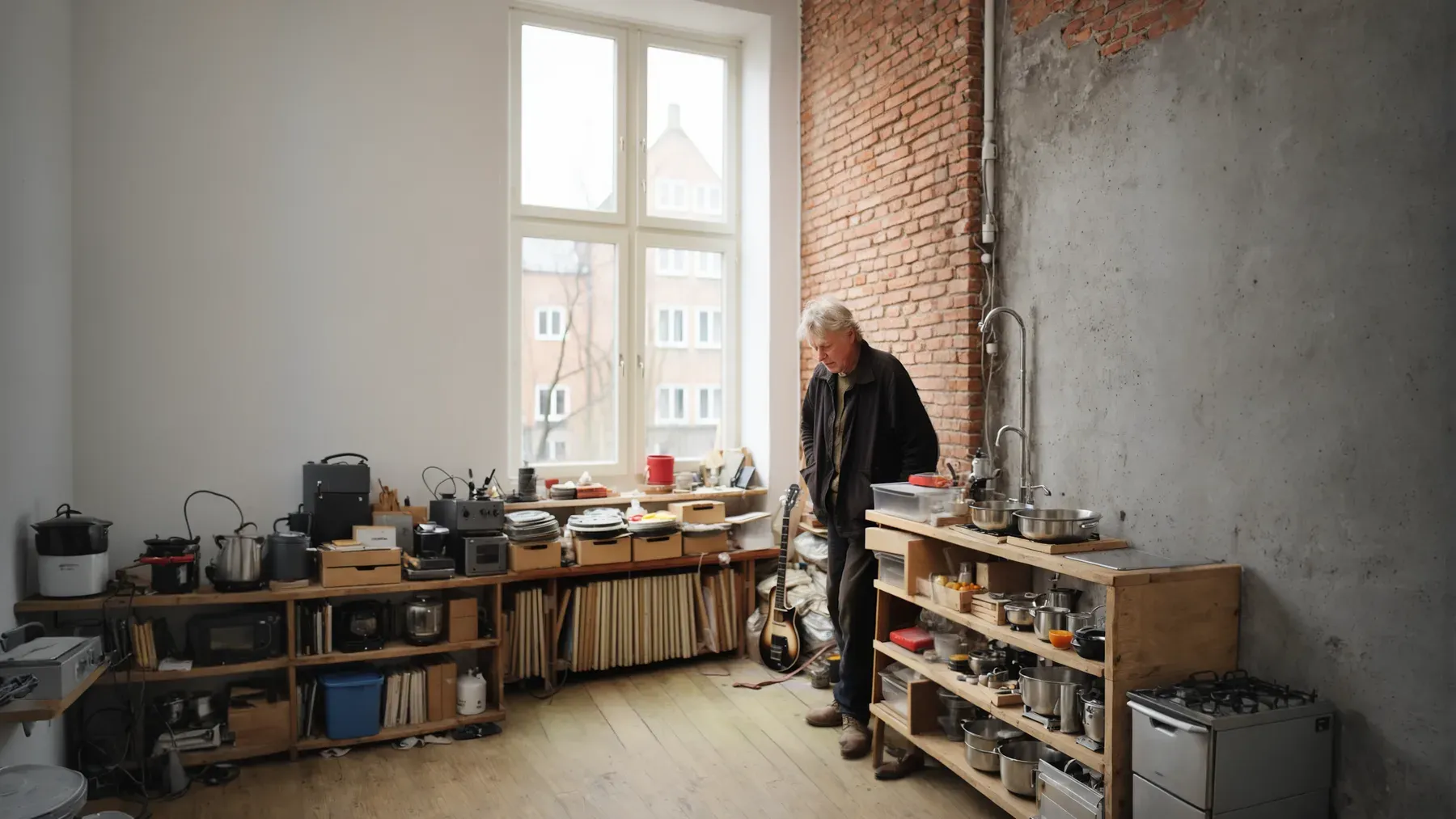
An older character becomes a protagonist when the story gives them a future capable of changing. History matters, the body matters, and time matters. None of those should replace a present desire.
At sixty-eight, a mural conservator is offered the project that could define the next stage of a career: a water-damaged painting hidden behind a condemned theater wall. Demolition begins in twelve weeks. The museum director expects a consultation. The conservator intends to lead the physical restoration and turn the retained foyer into a paid community workshop.
That aim is specific enough to create plot. A shoulder has less overhead range after an old injury. Color discrimination and knowledge of historical pigments remain exceptional. The conservator understands the city’s heritage process, knows which officials fear public embarrassment, and has spent decades guarding methods that the proposed workshop would require sharing.
The most reliable way to write older characters without age stereotypes is to combine present desire, task-specific embodiment, accumulated knowledge, material access, relationships, and time ahead. Age affects every category without producing one standard person.
Start With the Unfinished Calendar
Older characters are often introduced through what has ended: retirement, bereavement, grown children, lost status, declining health, or regret. Those facts can matter. Begin the plot with something newly scheduled.
The conservator’s next twelve weeks contain a structural survey, pigment tests, a heritage hearing, scaffold access, documentation, negotiations with the developer, and a funding decision for the workshop. Each appointment asks what the character will do now.
Write three future-facing facts before expanding the backstory:
- A result the character wants: preserve the mural in its architectural setting.
- A life that becomes possible after success: lead a resident-run conservation workshop as paid skilled work.
- A deadline or commitment already made: submit a viable plan before demolition approval becomes final.
This prevents the character from existing mainly to explain an earlier generation. It also avoids the “one last job” default, where later life is framed as an epilogue to real ambition. The project may be the final major scaffold assignment, the beginning of a teaching practice, a financial necessity, or one commission among several. Decide which is true.
David Corbett’s The Art of Character treats desire as an engine that can become clearer, split into irreconcilable aims, or change through conflict. That framework applies at every age. The conservator wants preservation, professional control, public access, safety, income, and recognition. The theater project makes it impossible to secure all six in the original form.
Age can sharpen time without turning every scene into a mortality countdown. Twelve weeks matters because of demolition, funding, healing time, and the length of the work. The character may also think about years available for training successors. Keep immediate and lifespan time visible as different pressures.
Put the Body Inside a Particular Task
“She moved well for her age” compares a person with an invisible stereotype. “She could work at chest height for forty minutes before the repaired shoulder began to lose precision” gives the scene usable information.
Describe body, health, disability, and energy in relation to action. The conservator can climb a compliant scaffold, distinguish minute color changes, carry a small kit, and work safely at eye level. Sustained overhead reach produces weakness. A hearing aid handles face-to-face conversation well and struggles when fans, drills, and echoing plaster fill the theater.
These facts affect scheduling, equipment, communication, and delegation. They do not need an opposing superpower to compensate for every limitation.
Older adulthood is highly varied. Dementia is not an inevitable consequence of age. The National Institute on Aging states that depression is not a normal part of aging and challenges common assumptions about sleep, exercise, learning, driving, and independence. Research a diagnosed condition when one matters, including its range, management, environment, and effects on the exact work being attempted.
The guide to chronic pain in fiction offers a related method: connect symptoms to tasks, let intensity and management vary, and preserve the person’s competence outside the affected activity. Avoid an all-purpose bundle of memory lapses, aching joints, frailty, loneliness, and technological confusion.
Access belongs in the scene too. An adjustable platform, good lighting, captions, a railing, rest space, transport, medication timing, and an assistant are conditions of work. They are neither sentimental gifts nor proof of helplessness. A younger worker may also need access for a different reason.
Let adaptation reveal judgment. The conservator schedules color matching in the morning, uses a camera pole for overhead documentation, and taps plaster while a colleague records the acoustic changes. A shortcut taken from pride can create danger. A well-designed adjustment can create better evidence for the entire team.
Let One History Produce Skill and Error
Accumulated experience should do more than supply wisdom. It creates leverage, speed, pattern recognition, reputation, obligations, and habits that may no longer fit the present institution.
The conservator remembers an earlier renovation, recognizes a contractor’s plaster mixture, knows which phrase triggers independent heritage review, and can identify when damage comes from trapped moisture rather than surface exposure. Those capabilities should change the plan.
The same professional history creates blind spots. Training occurred in a culture where senior specialists guarded knowledge and junior workers learned through observation. The conservator interprets exacting silence as respect. A younger imaging specialist experiences that silence as exclusion from decisions. Old pressure tactics assume a newspaper still controls public attention, while neighborhood organizers now use different channels.
Avoid a scorecard where every strength receives a matching weakness. Build cause instead:
- Long independence makes rapid improvisation possible and accepting help emotionally expensive.
- Commitment to preservation protects rare work and can treat all alteration as moral failure.
- Institutional memory reveals hidden precedent and can make memory feel like ownership of the debate.
- A reputation for precision gains access and discourages colleagues from reporting uncertainty.
This produces a complete character because one history has several consequences.
WHO defines ageism through stereotypes, prejudice, and discrimination based on age. Research also distinguishes stereotypes imposed by others from internalized expectations and concern about being judged through an age stereotype. Fiction can show all three. The director assumes the conservator will consult. The conservator overstates physical certainty to avoid confirming that assumption. A colleague hesitates to raise a real safety issue because it may sound patronizing.
Keep the disagreement evidence-based. The old scaffold fall is relevant. So is the conservator’s current assessment and right to decide. Concern becomes conflict when family or colleagues use one risk to claim authority over the whole life.
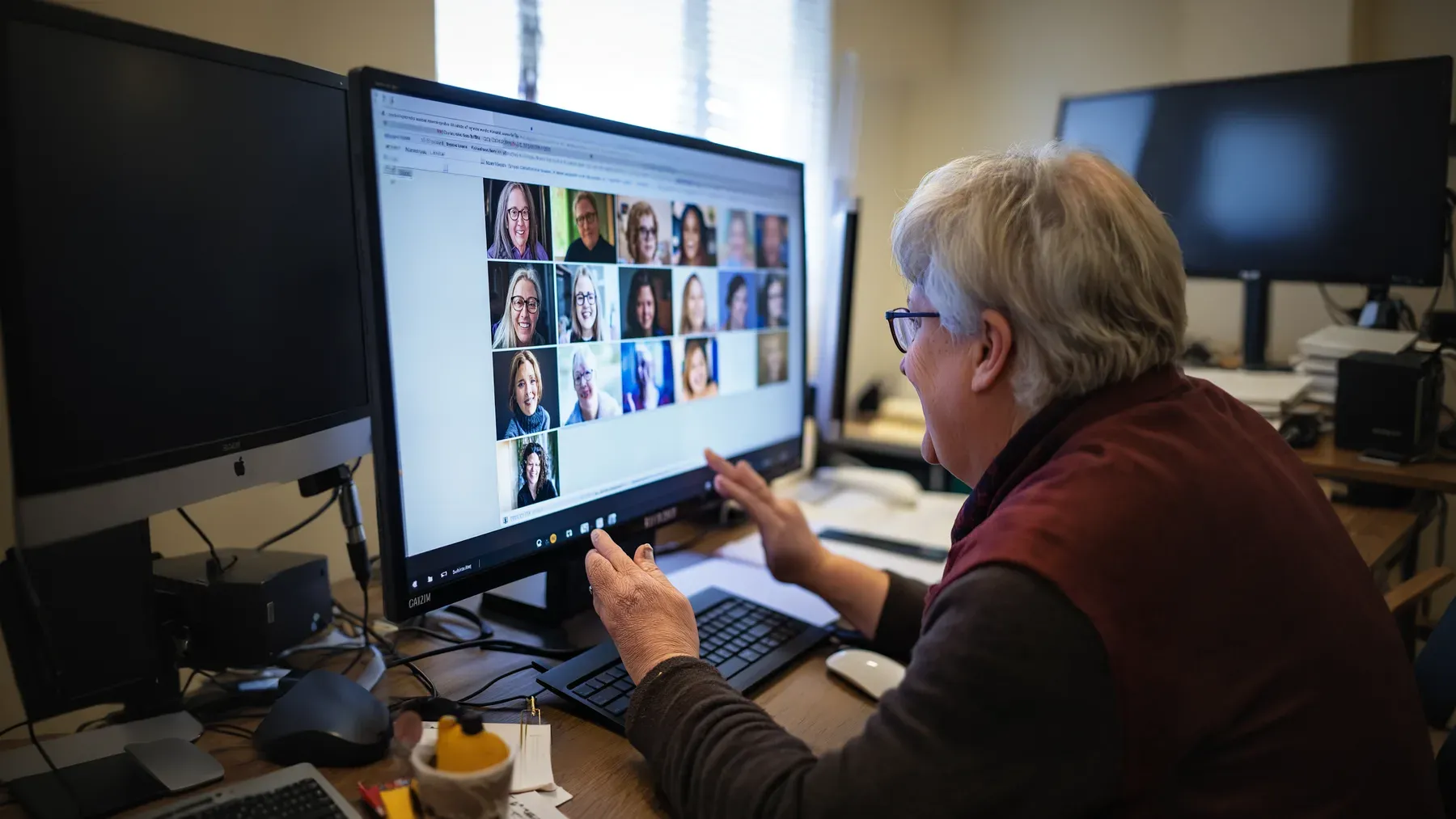
Build a Social World Larger Than Care
An older character needs peers, rivals, collaborators, dependents, strangers, and people who remember different versions of them. Family care can be one relationship among many.
The conservator’s circle might include a retired former partner delighted to have left museum politics, an older friend starting a new relationship, a long-term rival who wants the same commission, the imaging specialist, a daughter who helped after the scaffold injury, resident organizers, and a developer whose parent once worked in the theater.
Each relationship needs its own current issue. The former partner wants old records returned. The rival disputes the proposed treatment. The friend is tired of every dinner turning into project strategy. The daughter wants a written safety plan and resents being asked to provide transport without being told the schedule.
The caregiver-character guide emphasizes reciprocity and limits. Receiving help in one domain does not erase authority or contribution elsewhere. The conservator may accept rides after treatment, manage a grandchild’s school pickup, review the daughter’s business lease, and offer emotional care during a divorce. Dependence is distributed rather than ranked.
Sexuality, romance, friendship, humor, grief, work, and political disagreement remain available. If romance appears, treat it as a present relationship shaped by body, privacy, history, money, and preference. Avoid presenting desire as adorable proof that older people remain human.
Material circumstances keep the social world concrete. Pension rules, rent, insurance, paid care, transport, inheritance, accessible housing, and unpaid family labor can influence choices. The community workshop matters differently if the city expects free “legacy volunteering.” The conservator demands a budget, insurance coverage, and wages for resident trainees.
Positive stereotypes can also flatten. Research on media representation describes a shift from images of decline toward “successful aging,” which may impose another narrow ideal of health, activity, independence, or exceptional vigor. The conservator does not need to climb higher than every younger colleague to deserve the plot. Professional judgment may require stepping off the scaffold.
Age also interacts with gender, race, class, sexuality, and disability. The conservator’s authority may be read differently from that of an older male colleague with the same credentials. A pension, inherited home, or private insurance changes which professional risks remain possible. Write those forces through access, treatment, and consequence. Avoid assuming that reaching the same age produces a shared social position.
Resolve the Conservation Problem
The climax should answer the novel’s practical and relational conflict. It should not function as a demonstration that the protagonist is unusually impressive “despite” age.
When demolition is accelerated, the conservator cannot save the mural through stamina. Structural evidence shows that removing it would destroy the image layer. The old archive contains photographs of the original wall joints. The imaging specialist aligns those records with a new scan. Residents document labor history linked to the painted foyer. The conservator uses professional standing to force a hearing and shares authority over the presentation.
The solution uses body, expertise, access, relationships, and change. Collaboration does not diminish the protagonist’s role. It proves movement away from knowledge guarded as personal property.
Partial success may be stronger than triumph. The city preserves the foyer and mural while redeveloping the rear theater. The workshop receives a two-year paid pilot rather than permanent funding. The conservator dislikes the compromise and signs because it creates work, public access, and time to build evidence for continuation.
Family resolution should be equally specific. The conservator agrees to an inspected platform, names an emergency decision-maker, and shares the schedule. The daughter agrees to stop treating the project as denial of aging. Neither apologizes for caring about risk. They negotiate who gets to decide what.
The article on compelling mentor characters can help if teaching becomes part of the arc. A mentor is a dramatic function, not an automatic destination for every older person. Here, teaching matters because the protagonist must decide whether expertise can survive adaptation by other hands.
End with a new action. The conservator hands the imaging specialist a key to the pigment archive, then asks for it back long enough to label the cabinet properly. The gesture contains trust, habit, humor, and unfinished adjustment. It also opens tomorrow’s work.
Avoid closing with “age is only a number.” Age includes years lived, bodies, law, cultural treatment, memory, relationships, and time expected ahead. Its meaning is real and uneven. The character’s future is equally real.

Keep Past Experience Pointed Toward NovelOS Studio
NovelOS Studio can hold a long personal history while keeping present action at the center of the book.
- Build the character’s current desire, work, bodily specifics, access needs, pleasures, money, contradictions, and future commitments in Cast & World.
- Map family reciprocity, former partnerships, peers, rivals, collaborators, care, professional hierarchy, and community claims through Connections and Genealogy.
- Store conservation methods, museum rules, city politics, accessibility, funding, theater architecture, and neighborhood history in The Architect.
- Test several responses to the mural crisis in Spark Ideation, comparing versions that use different combinations of expertise, evidence, access, and cooperation.
- Align career history, the old injury, theater deadlines, hearings, treatment stages, and workshop commitments in Blueprint and Timeline View.
- Draft technical work, family negotiation, testimony, humor, and physical adaptation in Manuscript while related people and places stay connected through entity references.
- Examine stereotype-coded descriptions or an implausibly easy compromise with The Alchemist, retaining the writer’s authority over every revision.
- Track the restoration chapter and whole-book revision in Progress and Goals.
- Use Editorial Foundry when the book needs files for an editor, ebook stores, paper layouts, browser reading, or simple text workflows.
- Run the local-first studio on Windows or macOS, activate it across your own computers, and carry every connected record in a
.novelosarchive when changing machines.
An older protagonist needs the same abundance any strong protagonist needs: a precise want, a body acting under real conditions, knowledge that changes outcomes, relationships with reciprocal claims, material stakes, errors, and a future worth fighting over.
Build that whole life and its next decision in NovelOS Studio. Keep experience aimed at the unfinished future in NovelOS Studio.
Sources and further reading
- National Institute on Aging: common misconceptions about aging
- WHO quick guide to avoid ageism in communication
- Differences and disparities in ageism affecting older adults
- Older people in media, gendered ageism, and inclusive places
- Determinants of ageism against older adults: a systematic review
- David Corbett, The Art of Character: present desire, responses to thwarted aims, and the need to stage psychological concepts through dramatic situations.
- How backstory should change present action