Character Backstory That Drives the Present Plot Through Choice

A character backstory scene earns its place when it explains a decision the present plot will force the protagonist to reconsider. The scene captures a specific earlier moment, the expectation that failed, the meaning the character made from it, and the rule they carried forward. That rule should help them survive long enough to become part of the current problem.
Consider a future fire lookout who refuses to report smoke until she can identify its source. As an adult, she is admired for calm judgment and precise evidence. The novel eventually puts her alone above a dry valley after a lightning storm. Smoke is visible, the radio signal is failing, and waiting for proof could cost lives. Her caution needs a history that is more precise than “she is afraid of making mistakes.”
At twelve, she saw smoke beyond her town and reported it to her father at the volunteer station. He sounded the alarm before confirming a scheduled burn. The evacuation caused panic, a collision blocked the only road, and her father accepted public blame for acting too quickly. The child entered that day wanting to prove she could help. She left with a private rule: an uncertain warning can hurt more people than silence.
That is a story-specific origin scene. Its value comes from the connection between past pressure and present stakes. The event gives the adult protagonist a useful professional strength, a dangerous threshold for action, and a choice the climax can test. A childhood timeline, personality inventory, or collection of painful memories may deepen the writer’s understanding, though none of those automatically creates this kind of causal engine.
Begin With the Adult Choice the Novel Will Test
The fastest way to invent relevant character backstory is to work backward from present behavior. Identify a choice that seems reasonable to the protagonist and costly to the story. Then ask what earlier experience could have made that strategy feel reliable.
For the fire lookout, the behavior is delay under uncertainty. The benefit is fewer false alarms and greater professional credibility. The cost is slower action when evidence will always remain incomplete. The plot is built to narrow the time available for verification until her best habit becomes dangerous.
Write the chain in plain language before dramatizing anything:
| Link | Fire lookout example |
|---|---|
| Present behavior | She waits for verifiable evidence before warning others. |
| Immediate benefit | Her reports are accurate and trusted. |
| Plot cost | A fast-moving fire can outrun certainty. |
| Private rule | A warning without proof makes you responsible for the harm it causes. |
| Formative event | Her childhood report triggered a damaging false alarm. |
| Climactic test | She must choose whether to sound an alarm while the evidence remains ambiguous. |
This backward method keeps the past attached to the novel you are actually writing. It also separates an origin scene from a complete character arc. The origin explains why the starting strategy feels necessary. The arc is the longer sequence of choices, consequences, resistance, and revised understanding that follows.
Does every character need an origin scene? No. Develop one when a major belief or defensive strategy drives meaningful choices in the plot. A secondary character whose history never changes the action may need only enough context to behave consistently. Even for the protagonist, the finished origin scene can remain in project notes. Its first job is to help the writer understand causality. Publication is a separate decision.
Avoid beginning with a wound and searching for traits it can explain. One dramatic event can easily become a universal answer for the character’s profession, humor, relationships, politics, habits, and taste. Start with the exact pattern the story will pressure. The lookout’s false alarm explains her demand for proof in emergencies. It need not explain why she dislikes crowds or loves old radio equipment.
The event also does not need to be traumatic. A praise, success, misunderstanding, promise, family ritual, or quiet exclusion can teach a durable rule. A child who receives affection only when solving adult problems may learn that usefulness secures belonging. The lesson can emerge from reward as easily as pain.
Reconstruct What the Younger Character Expected
An origin scene needs a before. Lisa Cron’s Story Genius asks what the protagonist believed before the formative event, why they believed it, what they wanted in the scene, and what they expected to happen. Without an expectation, the writer can describe hardship, yet cannot show a worldview changing.
The future lookout begins with a simple belief: adults value accurate observations, and useful information helps protect the community. She believes this because her father lets her mark weather readings at the station and takes her questions seriously. Her immediate goal is to identify the smoke before anyone else. She expects the adults to confirm her sharp eyes and include her in the response.
These details give the younger character something active to lose. She climbs the water tower for a clearer angle. She checks whether clouds could explain the gray column. She runs to the station and insists that her father look. The reader experiences effort, incomplete evidence, and hope before the alarm creates a consequence.
Age changes the available reasoning without making it shallow. A twelve-year-old may understand fire behavior, family tension, and public shame in sharp detail while lacking access to municipal responsibility or her father’s professional calculations. Keep the scene within what this younger mind can observe and infer. She notices the road filling with cars, the siren continuing after the smoke thins, and her father’s hands flattening against the dispatch desk when the collision report arrives. She does not diagnose herself with a fear of uncertainty.
Give every person in the scene an agenda. The father wants to protect the town and prove the volunteer station remains necessary. A supervisor wants to avoid another evacuation complaint. A driver wants to collect a child before the road closes. Their decisions produce the event together. The protagonist’s interpretation can become deeply personal without making the entire world exist to manufacture her psychology.
Scene craft still applies. The younger character needs a goal, resistance, escalating choices, a turn, and an outcome. If the passage only summarizes what happened, the writer may know the fact while missing the moment-to-moment reasoning that makes it believable. A well-structured scene lets the old belief encounter evidence it cannot comfortably absorb.
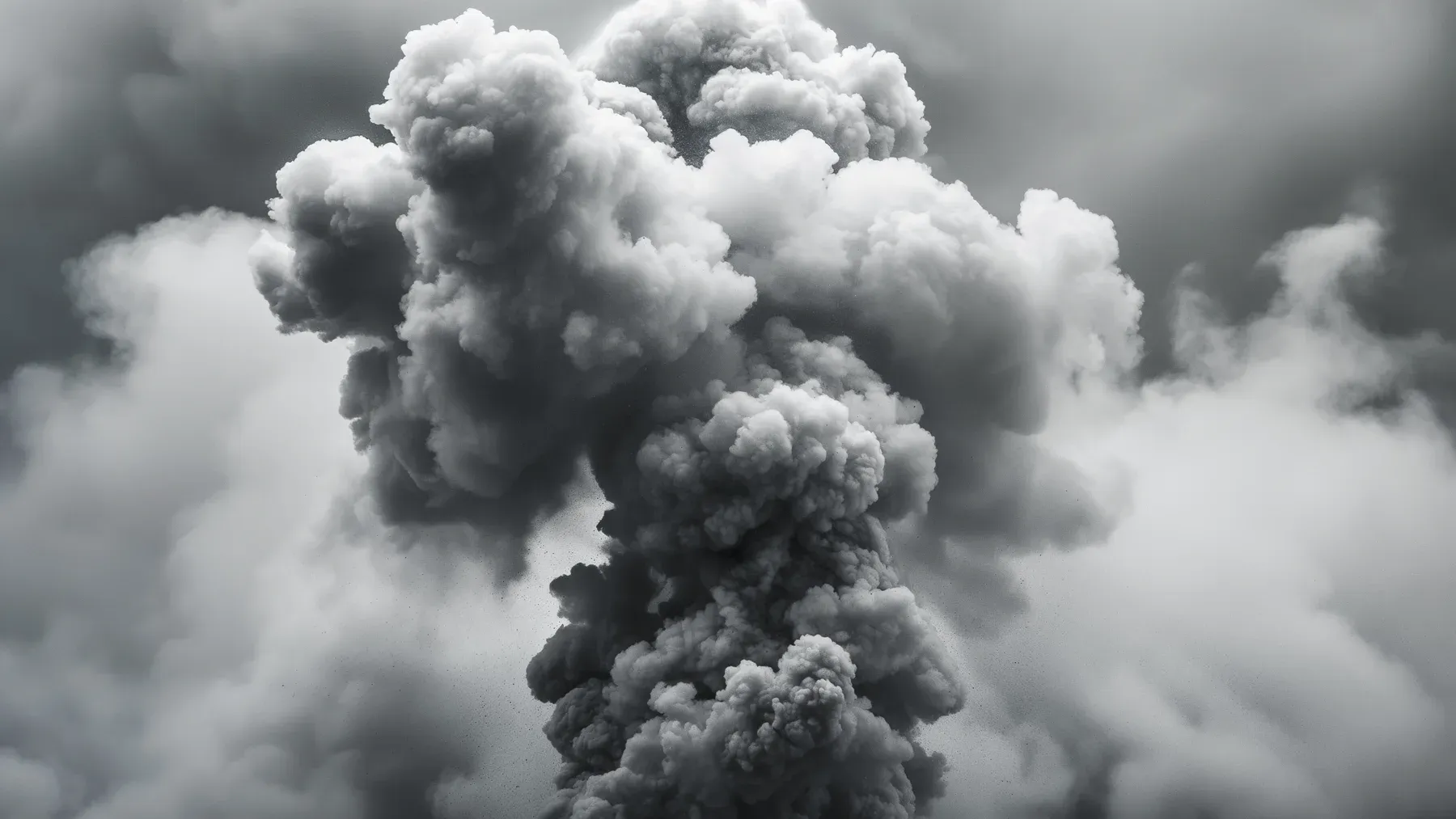
Keep factual context stable. If the smoke came from a scheduled burn, establish who knew about it, why the station did not receive the notice, what the alarm procedure required, and how the collision followed. The event should withstand ordinary questions. Coincidence can begin trouble, though the lasting lesson becomes more convincing when several understandable actions produce the result.
Show the Meaning Being Made
The event itself is not the belief. Two children could witness the same false alarm and carry away different rules. One might decide that adults punish whoever speaks first. Another might decide that systems fail unless someone takes control. The future lookout decides that an uncertain warning makes the speaker dangerous. Her conclusion comes from temperament, relationship, prior experience, and the evidence available to her.
Separate four layers while drafting:
- Fact: She saw smoke from a controlled burn.
- Consequence: Her report contributed to an unnecessary alarm, panic, and a blocked road.
- Interpretation: Speaking before certainty caused the harm.
- Rule: Verify alone, then warn.
The interpretation can be incomplete without being foolish. Other factors mattered: the missing burn notice, her father’s decision, poor evacuation planning, and the driver’s speed. A child centered inside the aftermath may assign herself more responsibility than the evidence supports. Readers can recognize the wider system while understanding why her narrower conclusion feels true.
The strongest misbelief contains a survival truth. Warnings do create consequences. Accuracy matters. Panic can injure people. The error lies in making that truth universal and giving it priority in every situation. This is why “verify alone, then warn” can support a successful career before the novel reveals its limit.
Avoid announcing the rule in polished adult language at the end of the scene. Let meaning form through selection and action. The child watches her father remove his station badge before entering the disciplinary meeting. When he later asks what she saw, she changes “smoke” to “something gray.” The altered word shows the new threshold taking hold.
A sensory image can carry the lesson forward. Dwight V. Swain recommends tying a key attitude to a memorable past event and, where possible, a sensory snapshot. For this character, the image could be the alarm light flashing over her father’s abandoned badge. Use it with restraint. A recurring detail gains power when its meaning develops, while constant repetition turns it into a label.
The origin should change a belief rather than create a complete adult personality in one afternoon. Later experience reinforces, complicates, or occasionally contradicts the rule. The scene supplies a hinge. The years after it show why the hinge continued to bear weight.
Let the Lesson Work Before the Plot Breaks It
A durable belief survives because life rewards it. After the false alarm, the future lookout double-checks every report. She catches a faulty sensor, prevents an unnecessary deployment, and earns a reputation for accuracy. Supervisors trust her because she rarely speaks without evidence. Each success makes the childhood rule harder to question.
This reinforcement matters for character motivation. If a strategy only produces misery, readers may wonder why an intelligent adult keeps using it. A useful rule becomes dramatically potent when changed circumstances expose its cost. The novel is not proving that accuracy is bad. It is asking when responsibility requires action before certainty.
Map at least three later moments:
- Reward: The rule solves a real problem and strengthens the character’s identity.
- Hairline fracture: The rule protects her while imposing a cost on someone else.
- Crisis: The external plot creates a decision for which the old rule has no safe answer.
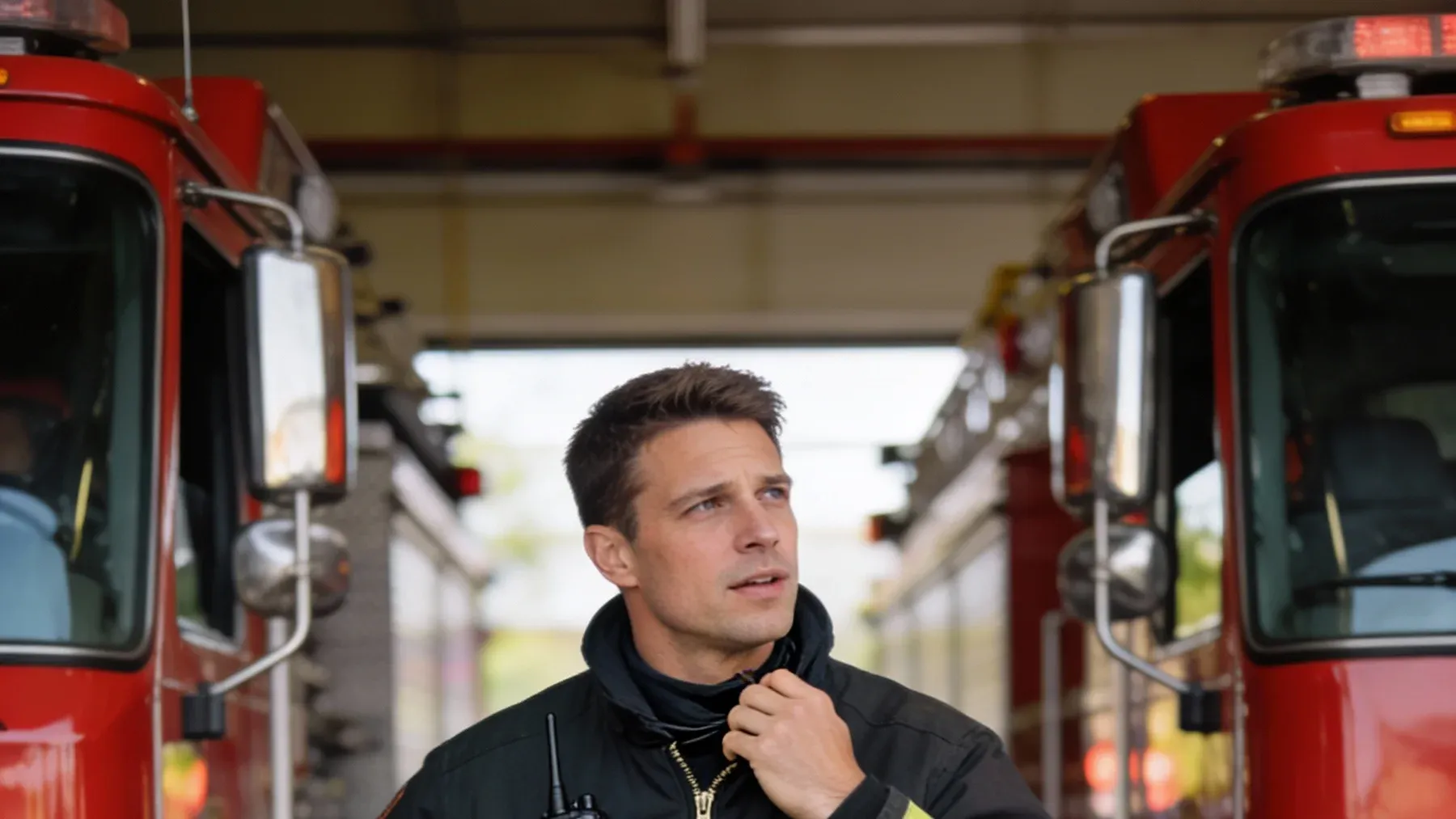
The hairline fracture is especially valuable. Perhaps another lookout reports uncertain smoke and is correct. The protagonist delays passing along the message, and a crew loses an hour. She can still defend the decision because the evidence was weak. The story has begun testing the rule without forcing instant self-awareness.
Do not repeat the origin event literally at every stage. The climax does not need the same town, the same siren, and another road collision. Recreate the underlying decision under harder conditions. In the present tower, she must choose between the known social cost of a false warning and the unknowable human cost of waiting. The pattern returns through pressure, rather than decoration.
The origin scene may never appear as a full flashback. Readers can infer it from behavior, a brief memory, dialogue, or a later revelation. Decide how to reveal backstory only after the causal design works. First build the past accurately enough that every later fragment points toward the same learned rule.
Keep the Origin Connected to the Whole Novel
An origin scene becomes useful during drafting when the writer can trace its influence across character, world, structure, relationships, and prose. NovelOS Studio keeps those parts in one project instead of leaving the formative event inside a detached biography:
- Cast & World and The Oracle can preserve the belief before the event, the new private rule, its protective benefit, its blind spot, later reinforcement, and the character’s changing understanding. Visual references and associated scenes keep the record connected to the living character.
- The Blueprint can place the origin on a Scene Card beside the later reward, fracture, crisis, and climactic choice. Timeline View separates when events happened from when readers learn about them, which is essential if the origin remains hidden until late in the manuscript.
- Connections can map how the false alarm changes trust between the child, father, station supervisor, and community. The belief came from a relationship system, so its consequences should continue through relationships.
- The Architect can hold the burn schedule, terrain, evacuation route, station procedure, local history, and weather conditions. Stable external facts allow the character’s interpretation to remain partial without making the setting arbitrary.
- Spark Ideation can explore several possible formative moments after the adult behavior is clear. Compare which candidate creates the most specific link to the main conflict instead of choosing the most dramatic childhood tragedy.
- The Manuscript gives the origin room to be drafted as a complete scene even if none of it reaches the final book. The Alchemist can then support a focused pass for repeated explanations, generic emotional labels, and present scenes that state the belief without making it affect a choice.
Audit the finished design in both directions. Starting from the past, can you name the later behavior, reward, cost, and crisis it creates? Starting from the climax, can you trace the difficult choice back through repeated evidence to the formative event? A break in either direction usually means the origin is decorative or the present arc lacks preparation.
Then test alternatives. If any childhood disappointment could produce the same adult behavior, make the event more specific to the story’s arena. If only one extreme trauma seems capable of explaining the character, look for rewards and smaller reinforcements that sustained the strategy. Human behavior gathers meaning over time, even when one scene gives that meaning a memorable shape.
The goal is not to excuse every decision. Backstory makes behavior legible while leaving the adult responsible for what they do now. The fire lookout can have excellent reasons for waiting and still face the consequences of waiting too long. Her eventual change feels earned because the old lesson once protected people, protected her father, and helped her become competent.
NovelOS Studio carries that lesson from the origin Scene Card through character records, relationships, chronology, manuscript decisions, and revision. The result is character backstory that does more than explain the past. It creates the pressure under the present plot and gives the final choice a history worth overcoming.
Sources and further reading
- Lisa Cron, Story Genius: story-specific backstory, the protagonist’s misbelief, the origin scene, prior belief, scene goals, expectations, and internal interpretation.
- Dwight V. Swain, Creating Characters: dominant attitudes, conditioning, memorable formative events, sensory recall, motive, and behavior.
- Reedsy, “Character Backstory: 7 Tips for Deepening Your Character’s History”: present identity, turning points, selective revelation, motivation, and plausibility.
- Novlr, “How Do I Write a Character Backstory?”: connecting lived history to present choices, conflict, theme, and selective disclosure.