In Gothic Fantasy, Magic Can Be Part of the Inheritance
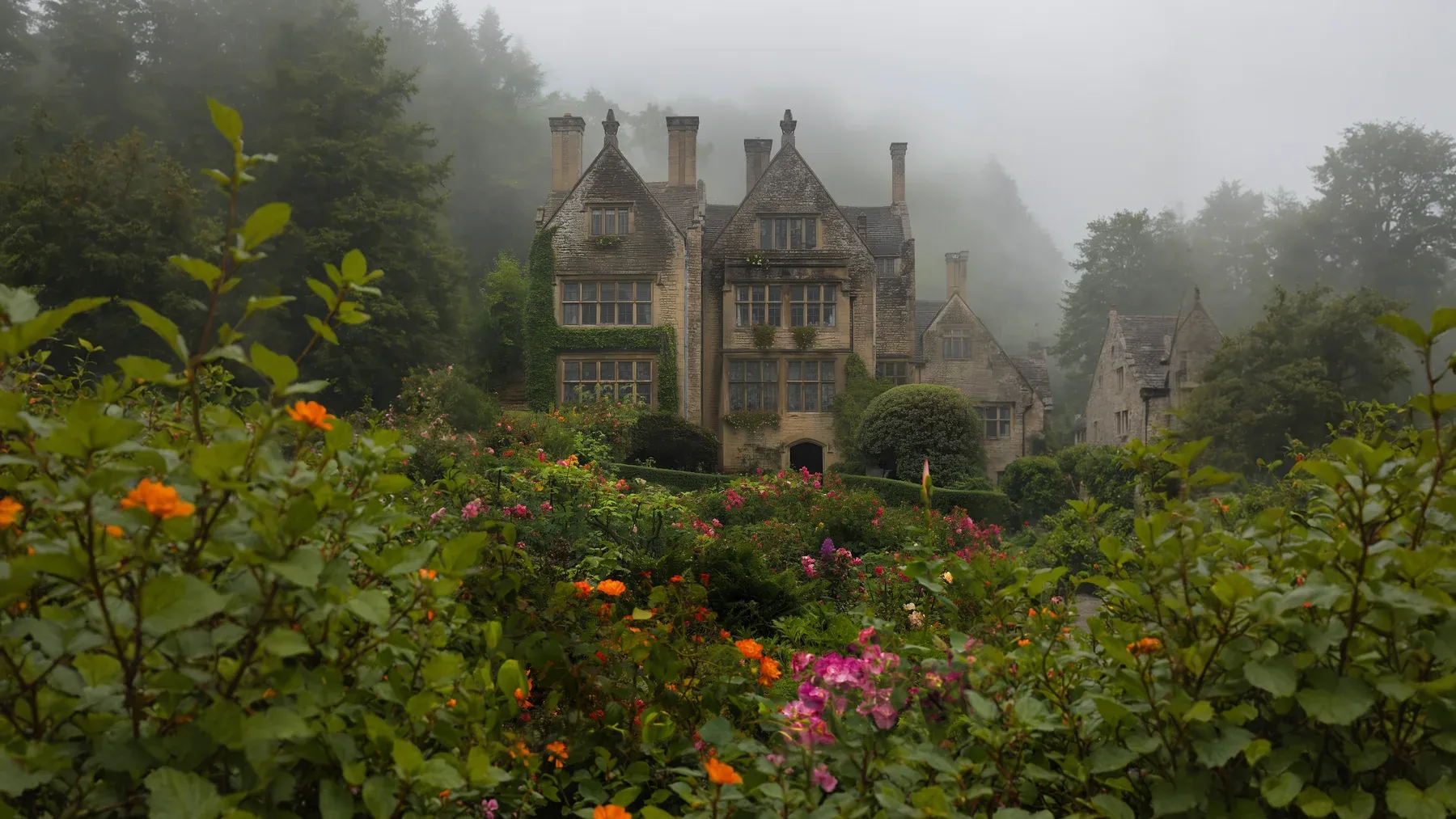
An inheritance is already a Gothic engine. It brings a dead person’s decisions into the present, assigns property through old rules, and gives one beneficiary something that other people may need, resent, or claim. Add real magic to that transfer and the supernatural can do more than haunt the scenery. It can enforce the family’s version of ownership.
That is the central method for writing Gothic fantasy with inherited magic: define what passes to the heir, which authority activates it, whose labor sustains it, what cost has been concealed, and who remains bound by the arrangement. Then make the protagonist desire at least one benefit of the inheritance. The story gains pressure because keeping the power and rejecting its history are no longer compatible choices.
Imagine an architectural drafter who inherits a decaying valley manor. The will includes the land, a signet, and a jar of six black teeth. Before the first winter snow, an heir must bury one tooth beneath the east garden. In return, the manor keeps the valley’s dead from crossing their former thresholds.
The new owner intends to sell. That plan changes when the building answers her sketches: a drawn doorway opens in stone, a marked wall repairs itself, and a room expands when she signs her family name. At last, her work has visible authority. Then she discovers that most teeth in the garden came from tenants who could not pay rent.
Fog, portraits, locked wings, and candlelight can create atmosphere. The story becomes Gothic fantasy when every beautiful or frightening effect leads back to a living structure of property, kinship, service, and power.
Start With a Claim the Magic Can Enforce
An inherited curse often feels vague because the writer begins with mood: the family is doomed, the house is angry, or the bloodline carries darkness. Begin with a claim instead. A claim states who may do what, to whom, under which condition.
In the manor story, the operative claim is simple:
The legal owner may command the house because ownership carries authority over everyone who died owing the estate.
That sentence connects the property system to the magic system. It also creates questions that can drive scenes. Does a forged deed transfer power? Can joint owners issue conflicting commands? Does forgiven rent release a dead tenant? What happens when a creditor owns the mortgage but the heir holds the title? Each question can produce an action and a consequence rather than another paragraph of lore.
Give the inheritance six terms:
- Asset: the thing transferred, such as land, a title, a body, a name, a relic, or access to ancestral knowledge.
- Authority: the permission attached to it. The heir can open sealed rooms, call family spirits, direct a ward, or collect a magical debt.
- Obligation: the act required to keep the arrangement active.
- Beneficiary: the person or community protected, enriched, or legitimized by the system.
- Excluded claimant: someone whose labor, kinship, or sacrifice supports the asset without granting control over it.
- Enforcement: the force that punishes refusal, fraud, trespass, or an unpaid cost.
For the valley manor, the asset is the estate, authority is command over its wards, the obligation is the annual tooth burial, the beneficiary is the settled valley, the excluded claimants are tenant descendants, and enforcement arrives when the unquiet dead return. Now the supernatural premise has enough definition for readers to reason about it.
Do the same work for the physical place. List the manor, farms, garden, ruined abbey, burial ground, forest rights, rent office, and ritual furnace. Beside each location, record who uses it, who maintains it, who may enter, and what magical process depends on it. The furnace burns charcoal made from estate timber. Burial wards require flowers grown by tenant families. Account books decide which dead people the signet can command. The building becomes a system of dependencies.
This focus separates the article’s method from a general haunted house story in which architecture holds disputed memory. Here, the house does not merely remember. It recognizes authority and performs ownership.
Put the Family History Inside the Spell
A revelation becomes dramatically useful when it changes how the magic works. Learning that an ancestor was cruel may alter the protagonist’s feelings. Learning that the spell treats rent collection as consent alters the next decision.
Design inherited magic through a causal chain:
| Question | Manor answer |
|---|---|
| What is the source? | the valley’s unsettled dead and the promises made over their burials |
| What carries the power? | teeth, account books, boundary stones, and the owner’s signet |
| What activates it? | a named debt, a legal claim, and a burial beneath the east garden |
| Who is authorized? | the person the estate recognizes as owner |
| What does it cost? | bodily sacrifice, silence, labor, and continued acceptance of the estate’s authority |
| What spills outward? | altered rooms, damaged land, and dead people denied the purpose of their return |
The source, conduit, method, and consequence model comes from a practical worldbuilding principle: readers believe magic more readily when they can follow where its power originates, how it moves, how someone directs it, and what its use changes. In a Gothic story, those elements can carry historical evidence.
The official family account says the founder gave her own tooth after a plague and bound the restless dead to protect the valley. The first clue against that account is material. An old tenant has a gap that matches a tooth labeled with the previous owner’s name. Dental tools lie in a rent chest. Portraits begin showing closed mouths during the decade when the estate’s revenues fell. A burial song refers to “the mouth that pays the roof.”
Stage the discovery in levels. First, the protagonist sees an inconsistency. Then she tests a rule. Next, another person demonstrates the human cost. Finally, the evidence changes what she is allowed to do.
She might begin by using the signet to repair a staircase. Later, she tries the same command after crossing out a dead tenant’s debt. The staircase refuses to move. That result proves the house’s power depends on the ledger. When she forgives another debt, a bolted door opens by itself and one returning spirit walks past the estate boundary. Historical research has become present causality.
Let records disagree. The will describes a voluntary family sacrifice. The account book records penalties. Teeth provide bodily evidence. Household rituals preserve instructions while concealing their origin. Descendants remember which relatives returned and which did not. No source needs to explain everything. Their collision gives the protagonist a method for reconstructing the bargain.

Give the Heir a Reason to Stay
An obvious evil inheritance produces an easy refusal. Gothic fantasy grows more intimate when the estate answers a genuine hunger.
The architectural drafter has spent years preparing other people’s plans while wealthier colleagues receive credit. At the manor, a line from her pencil becomes a door. She can restore a collapsed ceiling by drawing its old geometry. People who dismissed her now wait for her decisions. The house gives recognition, authorship, and visible power.
That reward should be specific enough to appear in scenes. She does not simply feel “tempted by power.” She repairs a tenant roof in minutes. She finds a room her mother erased from the plans. She prevents a dead child from entering a grieving family’s kitchen. Every use appears helpful, which makes the underlying authority easier to defend.
Create a complicity ladder rather than a single fall:
- She accepts the signet so she can enter a sealed room.
- She uses a small command to solve an urgent repair.
- She keeps the ledger secret until she understands the ward.
- She lets a household worker perform a coercive rite because winter is close.
- She invokes ownership against someone whose warning threatens the estate.
Each step should offer a credible reason and remove one easier exit. The reader can understand the choice while seeing the pattern grow.
Desire can also enter through intimacy. A restorer employed by the estate values the wards because they kept a dead sibling peaceful. The restorer also knows that generations of capable workers maintained the manor without ever sharing its authority. Attraction develops during repairs, archival work, and disagreement over who may decide. The relationship puts the inheritance inside daily conduct: whose expertise is credited, who can safely refuse, who holds the key, and whether love can survive unequal permission.
For a novel where attraction itself intensifies danger, the guide to Gothic romance and consequential desire develops that strand further. In this story, romance remains one pressure within the larger question of inherited rule.
Make Every Revelation Remove a Safe Option
Backstory can halt a Gothic fantasy novel when each secret merely makes the past darker. A revelation should change the protagonist’s available actions.
Use a four-column revelation test:
| Before the discovery | New evidence | Rule clarified | Choice that becomes harder |
|---|---|---|---|
| the heir believes the teeth belong to ancestors | a tenant’s dental gap matches a labeled tooth | authority, rather than blood, powers surrender | completing the ritual repeats coerced collection |
| she plans to sell the manor | the ward recognizes whoever controls the deed | ownership transfers magical command | a sale may give a company control over the dead |
| she offers her own tooth | the house rejects it before she collects rent | personal pain cannot substitute for recognized authority | sacrifice cannot reform the system by itself |
| she plans to destroy the garden | records show a previous destruction released dangerous spirits | the ward suppresses real unresolved claims | ending the spell without replacement harms the valley |
The last two rows are especially important. Personal martyrdom often allows an heir to remain the center of the moral solution. Let the magic expose that shortcut. If the power comes from a legal and social arrangement, one heroic body cannot repair it alone.
Treat the supernatural threat as information as well as danger. When the snow begins and the dead walk home, some are violent. Others seek a withheld name, a stolen tool, a burial place, an apology, or entry into a room they built. Their different aims reveal which obligations the ward compressed into a single category called threat.
This does not make every ghost correct or safe. It forces the living characters to distinguish claims. A shared ward may restrain one murderer while allowing another spirit to recover a letter. Specific responses are more credible than a cleansing flash that solves centuries of conflict at once.
The same discipline helps with the central object. If the jar, signet, or deed exerts a separate temptation, build rules that readers can test. The cursed-object guide offers a useful structure for desire, permission, benefit, escalation, and refusal.
Let the Climax Rewrite Authority
The climax should answer the political question hidden in the magic: who may decide after the inherited arrangement ends?
Breaking the signet can provide spectacle, yet it leaves the valley without a ward. Keeping it preserves exclusive rule. The protagonist needs a third action whose consequences have been prepared through the novel.
She opens the estate records to the valley and asks descendants to identify false debts, denied burials, and stolen names. Every corrected account weakens one root beneath the tooth garden. She transfers the manor’s exclusive rights into a local trust. Several custodians receive melted portions of the signet, so no single person can command the house. The change disperses power and makes future decisions slower, visible, and contestable.
That solution should cost her the benefit she most wanted. The house will answer shared plans only after the custodians agree. She loses the immediate authorship that made the inheritance seductive. When the east wing begins to collapse, she must choose between preserving her mother’s private letters and dismantling the ritual furnace below them. She saves the furnace site, surrendering answers she cannot recover.
Resolution then becomes a sequence of particular settlements. Custodians meet returning dead at marked thresholds. Some claims can be answered. Some spirits require restraint. The manor becomes an archive, winter shelter, and ward house. The former heir lives there under the same lease as other residents. The building remains beautiful, uncanny, and difficult. Its meaning has changed because access and authority changed.
Check the ending against three questions:
- What supernatural process stops or changes? The dead are no longer classified by debts controlled by one owner.
- What material arrangement replaces it? Records, land, ward work, and decisions become shared responsibilities.
- What desired privilege does the protagonist lose? The house no longer turns her private imagination directly into command.
Those answers keep the ending from becoming an abstract declaration that the family cycle is broken. Readers can see what replaces the cycle on the following morning.
Build the Inheritance System in NovelOS Studio
A Gothic inheritance plot requires the writer to coordinate family descent, property, household labor, magical causality, evidence, desire, and a present-day transfer of authority. NovelOS Studio keeps those parts beside the manuscript in one local Windows or macOS project.
- Define the heir’s professional skill, unmet need, family wound, changing beliefs, physical cost, and relationship pressures in The Oracle. Use Genealogy to follow descent, disinheritance, adoption, disputed parentage, and the movement of a title across generations.
- Build the estate, valley, burial customs, rent law, magic source, conduits, activation methods, costs, rituals, artifacts, and historical periods in The Architect. Separate the family’s official account from the evidence preserved by workers and descendants.
- Map ownership, tenancy, employment, kinship, debt, attraction, secrecy, and ritual obligation through Connections. The relationship network makes it easier to see who benefits from each use of inherited power and who cannot safely refuse.
- Test alternate claims, clues, ritual rules, revelations, and replacement systems in Spark. Compare ideas against the central causal chain before adding them to the draft.
- Sequence past collections, deaths, departures, failed reforms, present discoveries, the winter deadline, and the legal transfer with The Blueprint and Timeline View Scene Cards. Timeline View helps prevent a clue from appearing before the event or record that created it.
- Draft the house’s sensory presence, the heir’s attraction to command, archival discoveries, intimate conflict, and the walking dead in Manuscript while the world and cast remain accessible in the same studio.
- Compare revisions to explanations, atmosphere, confrontations, and the final transfer with The Alchemist. The source passage remains visible, and the novelist decides which changes serve the book.
- Set project goals for chapters or words and use custom trackers for planted teeth, corrected debts, known claimants, ward strength, signet use, bodily symptoms, or any variable that must change visibly across the story.
- Prepare the completed manuscript in Editorial Foundry. Export EPUB, PDF for screen or print, self-contained HTML, editable DOCX or RTF, Markdown, or TXT according to the next publishing and editorial step.
NovelOS Studio is sold as a lifetime license rather than a recurring subscription, with activation across the owner’s computers. The project stays local while the novel’s people, world, structure, prose, trackers, revision work, and publication files remain part of one complete writing studio.
Inherited magic becomes compelling when power, history, and present responsibility are the same problem. Build the estate and its claims in NovelOS Studio, then make every supernatural gift ask who granted it, who paid for it, and who will hold authority next.
Sources and further reading
- Robert Mighall, “Victorian Gothic in English Novels and Stories, 1830 to 1880”, on Gothic plots shaped by inheritance, the claims of the past, contested legitimacy, and entrapment.
- Lucie Armitt, “Gothic and the Heritage Movement in the Twentieth and Twenty-First Centuries”, on ownership, custodianship, historic buildings, artifacts, and landscapes.
- Diana Wallace, “Victorian Domestic Gothic Fiction”, on the Gothic home as a site of violence and dysfunction connected to debates over gender, marriage, and property.
- Katherine Bowers, “Gothic and Victorian Supernatural Tales”, on Gothic responses to social and political anxieties and tensions between reason, the supernatural, the self, and society.
- Eighth Day Genesis: A Worldbuilding Codex for Writers and Creatives, directly inspected PDF pages 152 through 154, printed pages 145 through 147, on magic sources, conduits, methods, costs, and consequences.
- Lummi source: historic mansion in mist
- Lummi source: candle in darkness
- Lummi source: overgrown Gothic mausoleum