Prose and Style
Mood
Mood is the emotional atmosphere a work or passage creates for the reader.
Mood in a story
It emerges from setting, imagery, rhythm, sound, detail selection, expectation, and context rather than from labels alone.
Original fiction example
An empty playground turning slowly in warm wind can feel peaceful after a reunion and ominous after a disappearance.
This example is original to the NovelOS glossary. It illustrates the term without borrowing a passage from a published novel.
Why writers use it
Use mood to shape how readers anticipate and emotionally interpret events.
A useful revision question: Where does this device change what the reader understands, expects, or feels? If removing it leaves the passage unchanged, it may need a clearer function.
A common mistake
Insisting that a scene is terrifying cannot compensate for details and pacing that create no apprehension.
Use mood in NovelOS Studio
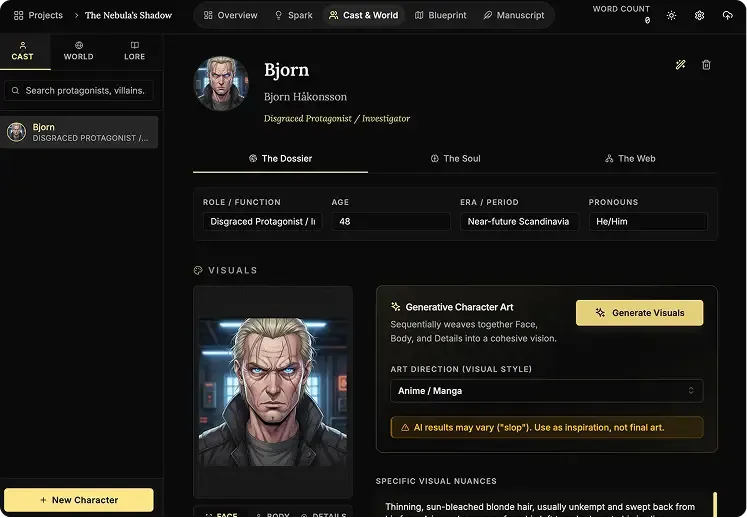
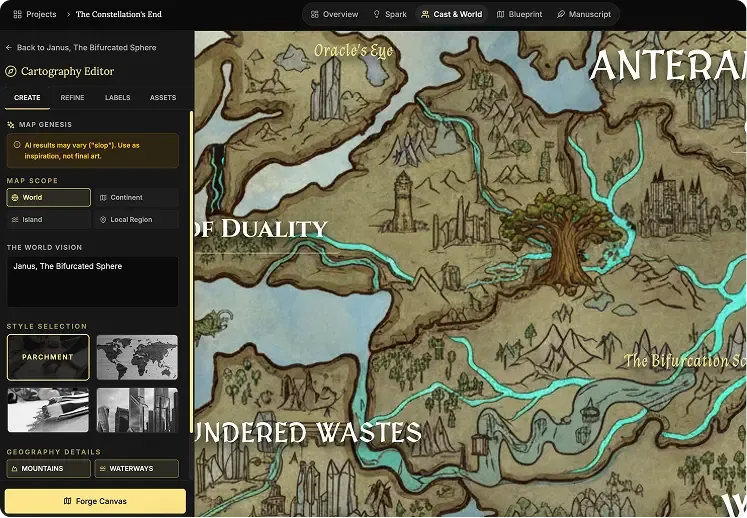
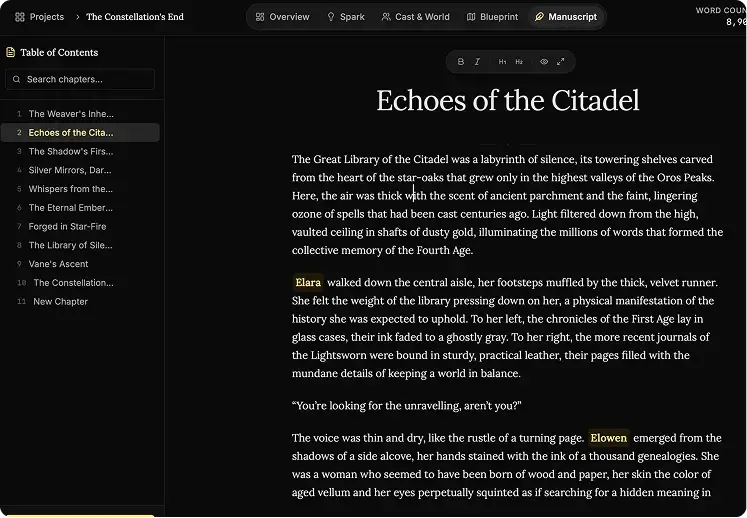
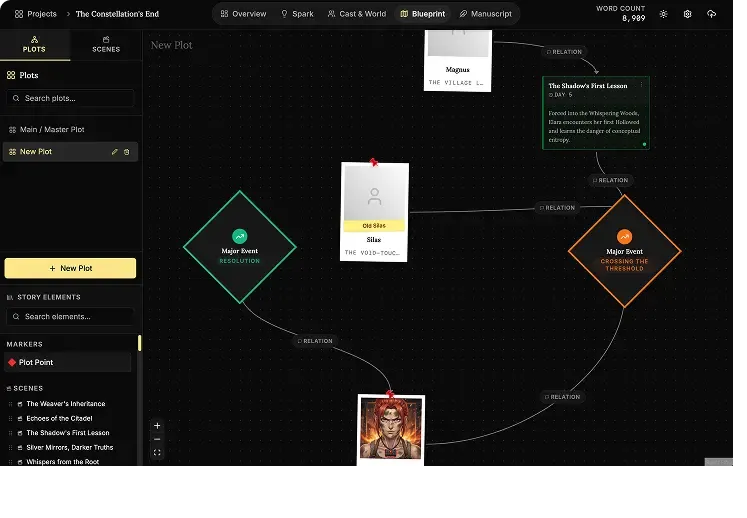
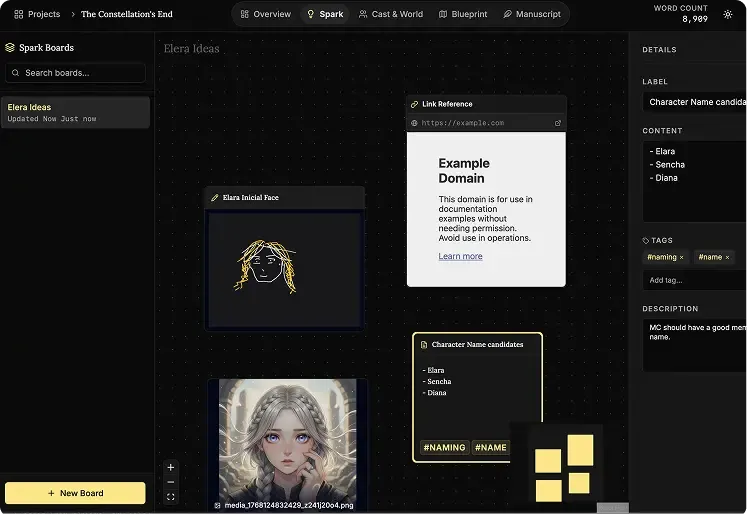
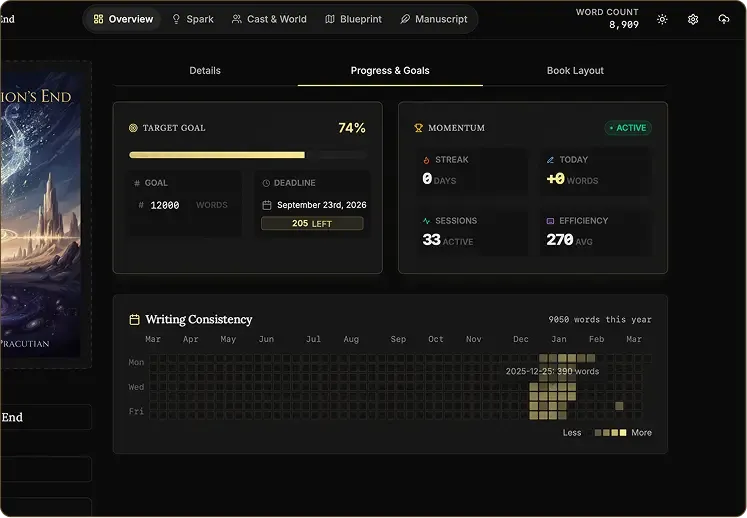
Refine clarity, rhythm, tone, repetition, and deliberate prose while preserving your voice. The Alchemist sits inside the same NovelOS Studio project as your characters, world, timeline, manuscript, goals, tracker, revision tools, and publishing exports.
Record the idea where it affects the book, test it in scenes, and revise it beside the surrounding prose. NovelOS Studio keeps the craft decision attached to the novel instead of leaving it in a separate worksheet.