Narrative Technique
Digression
A digression is a temporary departure from the main subject or line of action.
Digression in a story
It can deepen voice, history, theme, comedy, or context before returning with altered meaning.
Original fiction example
While describing the robbery, the narrator pauses to explain the town's century-long argument about the bank clock.
This example is original to the NovelOS glossary. It illustrates the term without borrowing a passage from a published novel.
Why writers use it
Use digression when the detour is part of how this story creates meaning or pleasure.
A useful revision question: Where does this device change what the reader understands, expects, or feels? If removing it leaves the passage unchanged, it may need a clearer function.
A common mistake
A digression that neither enriches nor changes the main line becomes avoidable delay.
Use digression in NovelOS Studio
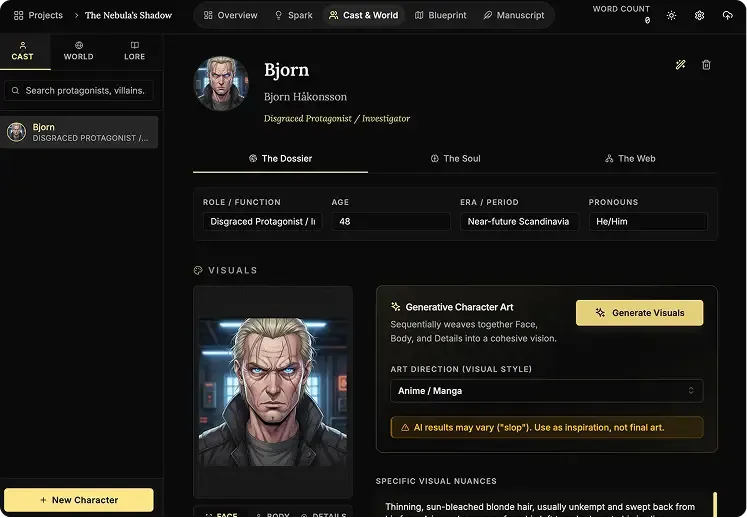
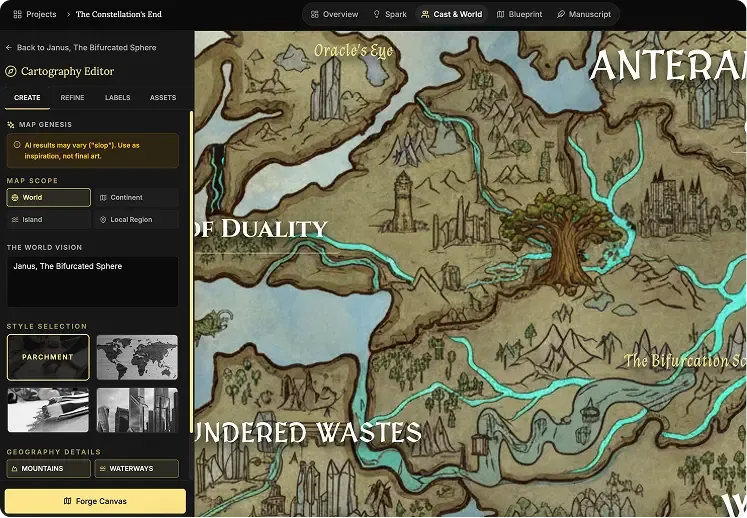
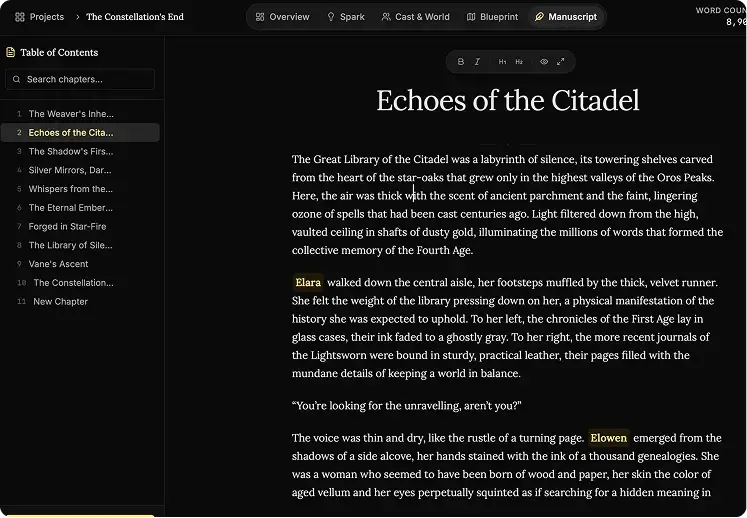
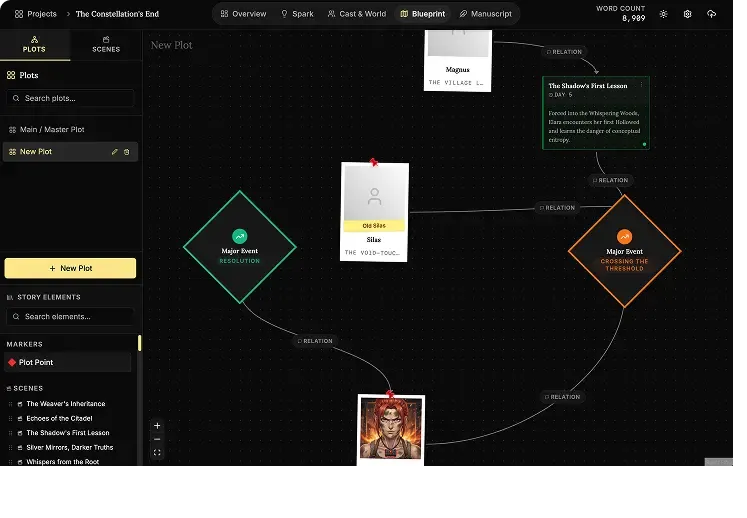
Draft with story knowledge, annotations, entity mentions, and project context nearby. The Manuscript sits inside the same NovelOS Studio project as your characters, world, timeline, manuscript, goals, tracker, revision tools, and publishing exports.
Record the idea where it affects the book, test it in scenes, and revise it beside the surrounding prose. NovelOS Studio keeps the craft decision attached to the novel instead of leaving it in a separate worksheet.