A Western Romance Needs More Than a Ranch

The mobile large-animal veterinarian arrives before daylight because a heifer has been laboring too long. The ranch manager meets the truck at a gate with one hinge, then points toward a pasture the vehicle cannot cross after last night’s rain. They carry the equipment in by hand. During the examination, the pump at the stock tank fails.
By breakfast, the calf is breathing, the pump still needs a part, and both people have learned something important about the other. The veterinarian stays calm around a distressed animal but refuses to promise a good outcome. The manager can improvise a safe working pen, knows every animal in the herd, and has postponed a repair the operation cannot afford. Attraction begins through judgment under pressure.
This is the useful difference between a Western romance and a romance decorated with Western objects. A hat, horse, barn, and sunset can establish an aesthetic. The subgenre becomes convincing when distance, weather, animals, money, land, and community obligations control what the lovers can do.
What makes a Western romance work? Keep the love story central, give both protagonists consequential work, research one precise region, and make the land create recurring choices. The optimistic ending then has to solve a practical question: what kind of life can these two people build here without asking either one to abandon the values that made them attractive?
Romance Writers of America identifies two genre promises: love drives the main plot, and the ending rewards it with optimism. Western romance adds a setting with its own labor and history. Ranch survival, water access, or a public-land permit should deepen that relationship rather than displace it.
Start With an Operating Map of the Ranch
Before outlining the courtship, decide what the place actually produces. “A ranch” is too broad to generate reliable scenes. Choose cattle, sheep, goats, horses, bison, or a mixed operation. Define herd size, ownership, hired labor, grazing season, feed sources, veterinary access, transport, equipment, debt, and the nearest market.
Then separate the acres on the map. A Western operation may combine private property, leased pasture, state land, and a federal grazing allotment. The Bureau of Land Management says it manages livestock grazing on 155 million acres and sets forage use and season of use through permits and leases. Drought, wildfire, and market conditions can change the amount of grazing in a particular year. That gives the novelist several precise levers: turnout dates, allowed animal units, a closed allotment, an expensive lease, or a fence and pipeline that cross different jurisdictions.
Build the ranch as a system with five linked ledgers:
- Animals: species, class, breeding cycle, health, feed need, movement, identification, and sale date.
- Forage and water: pasture condition, wells, springs, tanks, pipelines, hay inventory, drought indicators, and backup sources.
- Labor: owners, relatives, employees, seasonal help, contractors, veterinarians, and who can perform each job safely.
- Money: loan payments, payroll, leases, feed, fuel, repairs, insurance, market timing, and emergency assistance.
- Authority: deeded ownership, permit terms, water rights, easements, county rules, animal-health duties, and agreements with neighbors.
The ledgers give description a job. A dry tank matters because the next source is two hours away. A broken chute matters because an injured employee leaves only two people able to work cattle. An open gate matters because the herd has access to a road. The reader does not need every fact. The local theory library’s second-edition romance craft reference advises keeping details that contribute to character, plot, or setting.
This approach follows the principle in active setting: a place earns narrative weight when it changes action. Readers learn the ranch by watching people work through its limits.
Turn Seasonal Work Into the Romantic Sequence
Ranch labor is repetitive, but repetition in a novel should accumulate. Choose four or five recurring operations and make each return alter trust. Calving checks, pasture moves, fence inspection, water monitoring, veterinary calls, hay delivery, fire preparation, and sale-day loading all create different mixtures of privacy, physical risk, and financial pressure.
CSU Extension describes livestock ownership as continuous responsibility: daily water, shelter, nutrition, sick-animal care, evacuation readiness, and an established veterinary relationship. Its safety guidance emphasizes calm handling, attention, fatigue management, and the unpredictability of animals. A protagonist becomes credible by noticing hazards, asking for help, and stopping an unsafe shortcut.
Give the couple complementary expertise. The veterinarian understands disease, treatment limits, records, and professional obligations. The ranch manager understands individual animals, pasture condition, equipment, local roads, and the cash flow behind a decision. Neither becomes the other’s assistant.
Their courtship can progress through changed work:
- On the first call, the manager challenges every recommendation because the clinic is new and money is tight.
- During the first pasture move, the veterinarian spots signs that an animal should remain behind. The manager accepts the judgment in front of the crew.
- When a neighboring ranch cannot pay immediately, the manager offers the veterinarian’s labor as though generosity costs nothing. The veterinarian explains exactly what that promise would do to the clinic’s payroll.
- During a night repair, the veterinarian admits that the lender will close the clinic if revenue misses a winter target. The manager reveals an application for work in another state.
That produces romantic tension from values rather than avoidable confusion. The manager wants to retain the breeding herd built over decades. The veterinarian recommends reducing numbers while the animals still have condition and market value. One sees continuity through the herd; the other sees earlier action as a way to preserve the operation. Both positions contain care.
If the disagreement could be settled by one explanation, it is too small to carry the middle. Writing strong conflict requires goals that press against each other in action. Let a good decision for one protagonist impose a real cost on the other, then make later scenes reveal whether they can negotiate that cost.
Use Drought as a Decision Calendar
Drought works well in Western romance because it develops through indicators and delayed consequences. It can tighten a story for months without behaving like a surprise villain.
Colorado State University Extension describes a drought plan as an “if, then” system. The operation defines goals, watches indicators, establishes trigger points, chooses strategies, and later evaluates the result. Translate that directly into story structure.
The ranch’s plan might contain these thresholds:
| Indicator | Trigger | Ranch decision | Romantic consequence |
|---|---|---|---|
| spring flow falls below target | two weekly measurements | haul water and close the far pasture | clinic calls become harder to reach |
| forage estimate misses minimum | range check in early summer | sell yearlings sooner | manager feels the family line shrinking |
| feed cost crosses budget | supplier quote | reduce breeding herd or lease pasture | couple disagrees over acceptable debt |
| county reaches severe drought status | published monitor | document losses and apply for aid | private finances become public paperwork |
| evacuation route becomes unsafe | fire-weather warning | move vulnerable stock | an old access dispute can no longer wait |
The USDA Farm Service Agency’s Livestock Forage Disaster Program shows how operational the problem becomes. Eligibility links grazing loss to drought intensity, normal grazing periods, land status, livestock units, and documentation. Writers do not need to reproduce an application. They can use its logic to avoid vague crisis writing. Receipts, lease terms, animal counts, grazing dates, and county conditions determine which options remain.
Set the first trigger early. The opening’s pump can be repaired, but the low tank reveals the larger trend. The next threshold closes a pasture. The third forces a choice between purchasing feed and selling animals. Each step changes the couple’s time, offers of help, and ability to remain.
This is where setting and romance become the same plot. The clinic needs a viable cluster of livestock clients, while the ranch needs dependable veterinary coverage. If drought removes too many operations, neither career may remain viable in the region.
Give the Land a History That Changes the Present
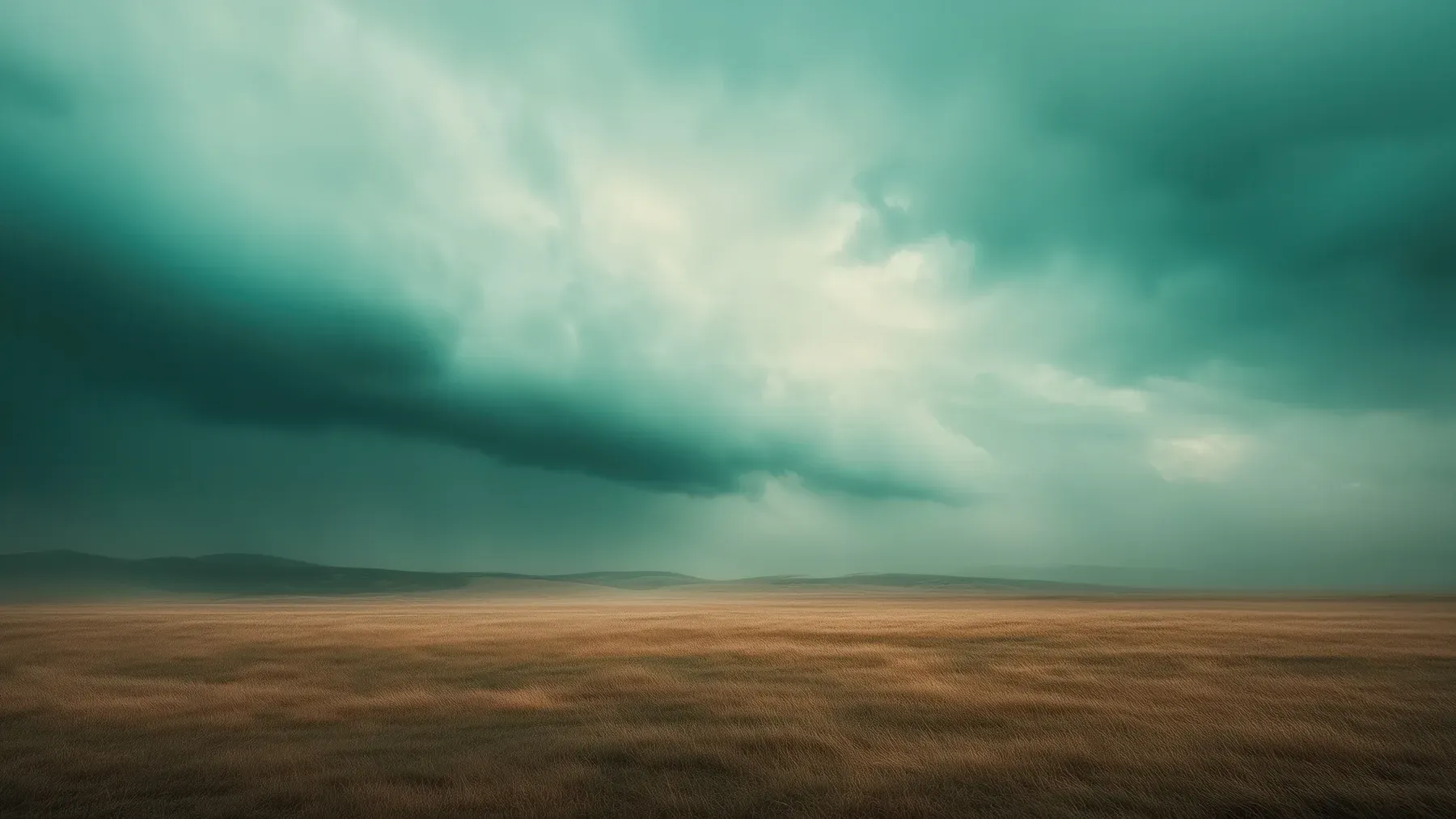
Western landscapes are often described as open, empty, or waiting to be claimed. Those words erase people. Research who lived, traveled, gathered, hunted, farmed, grazed, worked, and maintained water there before the present owners. Trace how each boundary was created and which rights cross it now.
Keep the research region-specific. Tribal nations, treaty histories, allotment policies, water systems, labor histories, and county institutions differ. Consult the relevant nation or tribal historic-preservation office, public records, local archives, land agencies, and scholars with regional expertise. A composite “Native community” invented from unrelated cultures will flatten the very history the article asks you to notice.
The story also needs living participants with present authority. Suppose an old spring sits on private ranch land while an access path appears in community records. The neighboring tribal cooperative has monitoring data and a current agricultural program. Its director protects water access and land use through negotiation, documentation, and an independent remedy.
The ranch manager may inherit a true yet incomplete story about buying the first parcel through hard work. A former fence may have blocked a route, or an easement may exist on paper and have gone unused. The missing record creates responsibility now without making one protagonist the sole cause of generations of harm.
Let land history affect the romance through a choice within the protagonist’s authority. The manager can support a recorded access agreement, oppose it, or offer a personal favor that creates no durable right. The veterinarian can share animal-health data with consent, testify about regional need, or exaggerate losses to help the ranch. The ethical choice should cost convenience, control, reputation, or money.
A personal promise ends when its speaker leaves. A documented agreement, monitoring process, maintenance duty, and dispute procedure can survive the couple. The romantic appeal lies in choosing that durable structure when affection offers an easier shortcut.
Let Community Pressure Reveal the Couple
A small community can provide mutual aid and intense scrutiny at once. The veterinarian needs referrals and trust. The manager employs people whose housing may be tied to the ranch. The feed store needs customers. Volunteer responders rely on usable roads and current gate information. A new housing project may consume water while also meeting a real need for homes.
Give those interests to distinct people. One employee needs steady hours. A parent supports new housing because an adult child cannot afford to remain nearby. An older ranch owner sees a life’s work in the breeding records. The cooperative wants permanent access. The county planner weighs domestic, agricultural, ecological, and emergency demand.
Community attention changes courtship. A rumor that the veterinarian favors one ranch undermines professional trust. A public defense by the manager may feel loyal while worsening the problem. The couple must decide when to stand together and when professional independence matters more.
Use a meeting only after earlier work has given its arguments weight. Readers should understand the clinic’s client radius, the forage shortage, the access route, and the housing demand. The hearing can then force commitments instead of delivering background.
Their breakup should also arise from the operating system. The manager signs a short grazing lease without disclosing a disease concern the veterinarian documented. The manager believes payroll depends on moving the herd. The veterinarian must report the exposure and quarantine risk under professional duties. Love cannot excuse either the concealment or the report’s consequences.
Reconciliation requires changed practice. The manager shares the full grazing and animal-movement plan, ends the unsafe lease, and accepts an early sale tied to agreed drought triggers. The veterinarian creates written payment terms for emergency care rather than negotiating every invoice through intimacy. They replace improvisational trust with arrangements that protect both careers.
The small-town romance guide offers more ways to make neighbors active participants rather than a chorus of identical gossip.
Make the Happy Ending Pass a Workday Test
The climax should gather pressures the novel has already measured. A fire-weather warning arrives while the county considers the water and housing plan. The ranch has reduced its herd, yet vulnerable animals still occupy the far pasture. The safest evacuation route crosses the disputed spring access.
Avoid turning the climax into a solo rescue. CSU Extension’s post-disaster livestock guidance begins with human safety, official instructions, facility assessment, careful handling, water, feed, and coordinated recovery. That sequence suggests distributed action. Employees prepare trailers. The veterinarian establishes triage away from damaged structures. The cooperative opens the access route under an emergency agreement. Volunteer responders manage traffic. Neighbors receive animals according to space and species.
The manager records that the gate will remain open under a permanent easement and accepts the maintenance duty attached to it. The veterinarian refuses a developer’s offer to fund the clinic in exchange for endorsing inflated water projections. Neither gesture extinguishes the fire. Each resolves the value conflict the romance has been testing.
After the emergency, give the outcome limits. A smaller housing plan may proceed with a realistic water allocation. The cooperative may lead watershed monitoring. The ranch may lease part of a barn to the clinic. Some cattle are sold. Optimism becomes believable because it includes tradeoffs.
Then test the couple on an ordinary day. One finishes a late call while the other labels medicine shelves badly. With feed arriving at dawn, they share breakfast at midnight. The scene proves that the relationship fits the labor readers understand.
This story asks the writer to track people, animals, parcels, obligations, resources, and emotional movement together. NovelOS Studio gives the Western romance one connected home:
- Define each protagonist’s desire, fear, work, voice, history, visual reference, and family in Cast & World, then map kinship and inheritance through Genealogy.
- Use Connections for employment, trust, debts, animal ownership, land access, professional duty, community alliances, and the relationship as each one changes.
- Store ranch operations, livestock, water systems, grazing terms, institutions, roads, seasons, local history, and research rules in The Architect.
- Compare occupations, drought triggers, access disputes, breakup causes, and ending arrangements in Spark while the possibilities are still flexible.
- Arrange calls, pasture moves, sale dates, permits, weather thresholds, public meetings, romantic turns, and emergency action in The Blueprint. Timeline View keeps the courtship aligned with seasonal work.
- Draft the novel in Manuscript and use Alchemist to examine repeated description, stiff dialogue, or passages where research has overtaken the scene while keeping revisions under the writer’s control.
- Set daily or project goals and use trackers for word count, herd state, clinic revenue, water levels, trust, access terms, and unresolved promises.
- Turn the final manuscript into EPUB, DOCX, PDF, RTF, Markdown, TXT, or standalone HTML with Editorial Foundry.
Install the studio on Windows or macOS and use the same license across unlimited personal devices. When changing computers, save a .novelos project archive and open the imported package on the new machine, keeping prose and planning together. Mobile ships on iOS and Android on the same licence, installed from the browser.
A Western romance earns its optimistic ending when love survives the same realities that created it: early calls, limited water, difficult work, public memory, and choices that affect other people. Build those pressures beside the emotional arc in NovelOS Studio, and the final promise will feel rooted in a life the couple can genuinely share.
Sources and further reading
- Romance Writers of America: About the Romance Genre
- Bureau of Land Management: Livestock Grazing on Public Lands
- Colorado State University Extension: Drought Planning
- USDA Farm Service Agency: Livestock Forage Disaster Program
- Colorado State University Extension: Livestock
- Colorado State University Extension: Agricultural Safety
- Colorado State University Extension: Four Steps for Caring for Livestock After a Disaster
- Lieske, Victorine, and Leslie Wainger. Writing a Romance Novel For Dummies, second edition. Chapters 5, 6, and 13 in the local theory library.