Tension Without a Villain Comes From Incompatible Good Decisions
Tension without a villain comes from uncertainty about whether characters can protect several important outcomes at once. Give capable people legitimate goals, make those goals compete for the same resource or deadline, and let every solution transfer a cost somewhere else.
The story still needs opposition. It may come from weather, limited capacity, institutional duties, physical thresholds, prior promises, or another decent person whose goal cannot coexist with the protagonist’s immediate plan. A villain supplies intention to harm. Tension only requires a meaningful objective whose outcome remains uncertain.
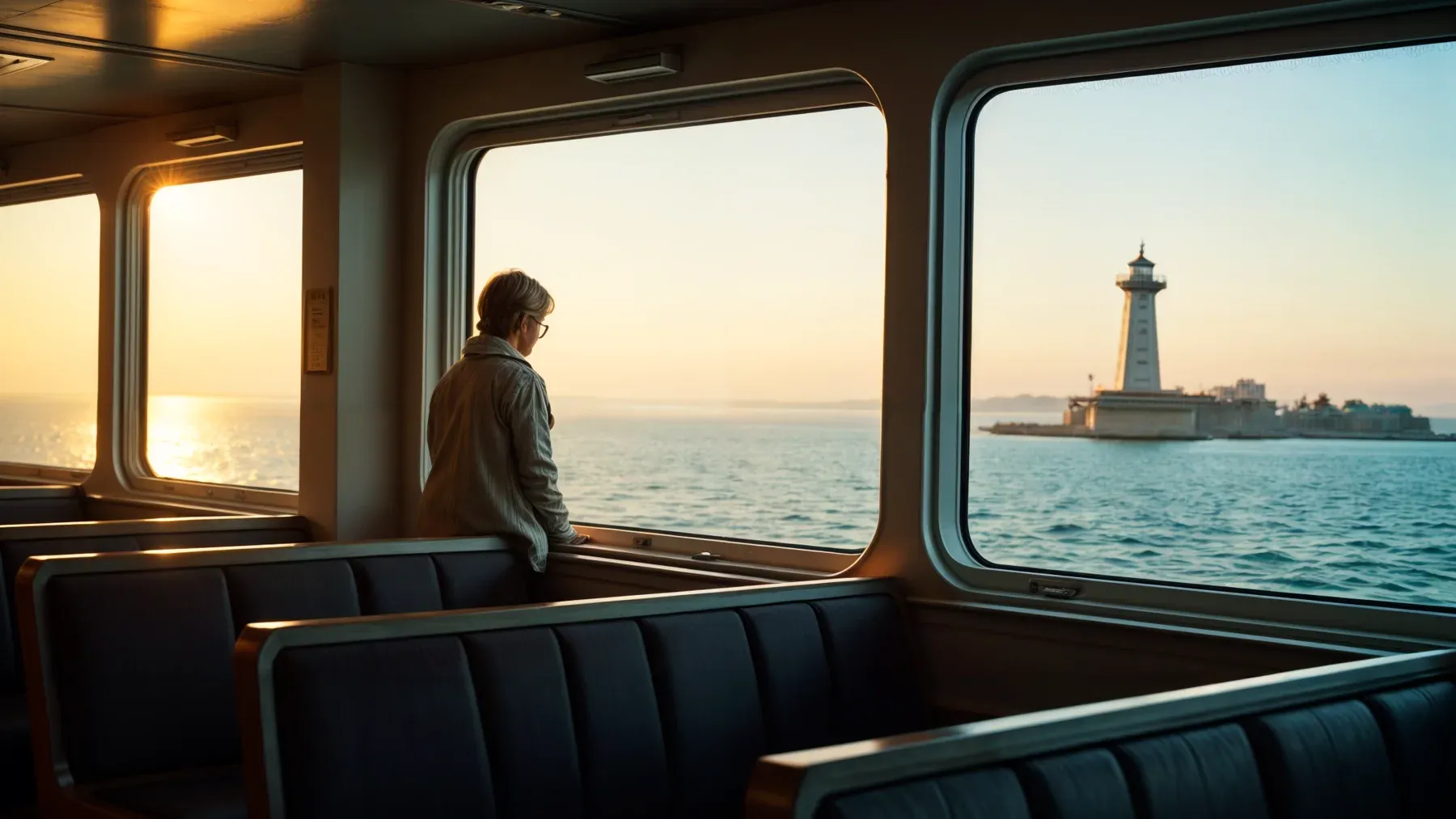
Imagine an island ferry dispatcher watching volcanic ash move toward the only navigable channel. The ferry can take twelve clinic patients and their families to the mainland now. A damaged freshwater pumping station also needs a replacement control unit from the mainland. Completing the round trip would restore water to hundreds of residents who cannot all evacuate, but the return crossing may occur after visibility falls below the captain’s safety threshold.
The clinic doctor wants the patients moved before treatment supplies run out. The utility engineer wants the ferry to collect the control unit. The captain will protect the crew from a crossing that becomes unworkable. Families want to stay together. The dispatcher must allocate one vessel, one channel, and three uncertain hours among goals that deserve respect.
No hidden saboteur is needed. The ferry’s position, ash forecast, pump failure, passenger capacity, treatment window, and crew duty already create a story machine.
Replace the Villain With an Opposition System
Begin by defining the protagonist’s objective in observable terms. “Keep everyone safe” is emotionally clear and dramatically unusable because nobody can tell when the character has achieved it. The dispatcher’s first objective is more precise: authorize a ferry movement before the channel’s visibility forecast crosses the operating threshold.
Then list the forces that make that objective difficult:
- Physical limit: the ferry has fixed passenger, deck-weight, fuel, and medical-support capacity.
- Time limit: the ash plume may close the channel before a return crossing.
- Knowledge limit: forecasts provide a range, while conditions can change faster than updates arrive.
- Duty conflict: the captain, doctor, engineer, and dispatcher answer to different safety obligations.
- Relationship cost: families resist separating patients from caregivers or leaving relatives on the island.
- System dependency: the pump controls freshwater storage, sanitation, and clinic operation for those who remain.
This is an opposition system because the pressures affect one another. Carrying more passengers increases loading time. Loading time reduces the chance of a safe return. Skipping the control-unit trip protects the crew and worsens water risk. Waiting for better forecast data consumes the very window the data is meant to clarify.
The published overview of conflict that keeps a story moving covers external, interpersonal, and internal forms. For a villain-free plot, connect those forms through one operational decision. The ash creates external pressure, professional mandates create interpersonal conflict, and the dispatcher’s fear of choosing who bears risk creates internal conflict.
Will Dunne writes in The Dramatic Writer’s Companion that dramatic conflict is anything that makes an objective difficult to achieve. His discussion on PDF page 139 emphasizes that obstacles reveal the importance of a character’s need and that rising pressure strips away easy choices. That principle allows an environment, procedure, or relationship to do the work often assigned to a malicious opponent.
Make Good Goals Compete for the Same Lever
Several worthy goals can coexist peacefully if each has a separate solution. Tension begins when they require the same lever: one ferry, one operating theater, one vote, one public statement, one piece of evidence, one hour, or one person’s presence.
Build a shared-lever table before outlining scenes:
| Stakeholder | Concrete goal | Why it is urgent | Action required from the shared lever |
|---|---|---|---|
| Clinic doctor | move twelve patients before supplies expire | missed treatment creates immediate medical risk | depart for mainland now |
| Utility engineer | install the replacement controller | stored freshwater falls below one day at dawn | complete an outbound and return trip |
| Ferry captain | avoid trapping crew in the ash corridor | navigation fails below the stated threshold | end sailing before conditions deteriorate |
| Patient families | preserve care and family contact | separated patients lose advocates and support | allocate companion seats and a return plan |
| Dispatcher | maintain a defensible island response | every choice exposes a different population | authorize one sequence and record its basis |
The goals become incompatible at action level. Everyone may agree that patients, residents, families, and crew matter. They disagree about which ferry movement best protects them under uncertainty.
Avoid making one participant secretly foolish so the protagonist can become obviously correct. Give each proposal a strong evidence base and a blind spot. The doctor knows treatment windows and underestimates water demand outside the clinic. The engineer understands storage curves and treats the return forecast as an acceptable operational range. The captain knows the channel and lacks full visibility into medical triage. The dispatcher sees the whole allocation problem but experiences it through reports rather than direct practice.
Readers can respect all four while still forming preferences. Current Reedsy guidance on story conflict begins with an external character goal, logical roadblocks, the way strengths initially help, the change required at the final hurdle, and the consequences of that change. Those questions are especially useful here because each person’s competence should contribute to the dilemma before its limits appear.
Turn Values Into Actions and Thresholds
Characters stating their values creates debate. Characters acting on those values creates plot. Translate every position into a request, refusal, calculation, preparation, or commitment that changes the next scene.
The doctor does more than say that patients matter. They complete triage, reduce companion requests from two people to one, arrange oxygen support on deck, and set a final boarding time. The engineer does more than praise infrastructure. They calculate remaining reservoir volume, isolate a failing circuit, call the mainland depot, and ask whether the controller can be transferred at sea. The captain checks wind direction, channel markers, engine filters, crew rest, and the point beyond which return will be refused.
Give each critical variable a threshold:
- visibility required to navigate the channel
- ash concentration tolerated by the engine intake
- latest departure compatible with the patients’ treatment window
- minimum number of caregivers needed during passage
- freshwater volume reserved for clinic, sanitation, and fire response
- installation time after the controller reaches the island
A threshold turns vague concern into a closing option. At 14:00 the full round trip remains possible. At 14:20 it requires a faster transfer at the mainland. At 14:40 it requires the captain to accept the worst edge of the forecast. At 15:00 only the evacuation crossing fits the agreed safety rule.
Keep uncertainty honest. Forecasts can provide ranges and confidence, rather than a convenient exact minute. The dispatcher should decide what level of risk authorizes action before seeing the outcome. If the character repeatedly waits until certainty arrives, the plot rewards indecision.
The earlier article on sustaining tension without empty delay explains why each interval needs to alter the problem. Here, every update should change a threshold, remove a route, or redistribute cost. A forecast that repeats “the ash is coming” adds atmosphere. A forecast that moves the likely closure twenty minutes earlier forces a new passenger list.
Let Success Move the Cost Instead of Erasing It
Villain-free tension often collapses when a clever compromise suddenly satisfies everyone. A strong compromise should preserve values while transferring a measurable burden.
The dispatcher asks whether a coast-guard cutter can carry the control unit. Its deck can take the crate, but its intake cannot tolerate the same ash level as the ferry. A fishing cooperative offers two boats for families, reducing ferry demand while increasing the number of vessels that must clear the channel. The mainland depot can send a technician, but that person occupies a medical berth and will be stranded if the ferry cannot return.
Record each proposal with four questions:
- Which goal does it advance?
- Which resource does it consume?
- Who receives new risk or labor?
- What future action becomes necessary if it succeeds?
Suppose the crew transfers the controller to an unmanned supply barge and programs it to follow the ferry. The ferry can evacuate patients while towing the repair unit toward the island’s outer harbor. The arrangement slows the vessel, requires someone on the island to retrieve the barge, and leaves installation unfinished. It improves two outcomes at the cost of speed and downstream coordination.
The engineer volunteers to remain with a harbor team and retrieve the barge after the ferry clears the channel. The doctor accepts fewer companion seats because community volunteers on the mainland arrange advocates. The captain agrees to tow only until visibility reaches the previously stated threshold. These concessions arise from each role’s values. Nobody has become an obstacle merely for the sake of argument.
Scenes should end with changed ownership of the problem. After the medical list is reduced, the dispatcher inherits the burden of explaining family separation. After the barge plan is approved, the captain inherits additional navigation risk. After the captain sets a hard cutoff, the engineer inherits the possibility that the controller will stop offshore.
Research on how readers process changing character goals suggests that readers maintain causal understanding by updating which goals remain relevant after a character’s objective changes. The craft inference is useful: announce the changed goal through conduct. When “restore water tonight” becomes “get the controller inside the outer harbor before closure,” show the engineer redirecting the harbor team and equipment toward that new target.
Preserve Sympathy During Open Disagreement
Respectful conflict does not require gentle dialogue. People under pressure interrupt, accuse, invoke authority, and defend the populations they know best. Preserve sympathy by making their arguments responsive to evidence and by showing what each person is willing to sacrifice.
Give each side one scene in which the cost they describe becomes visible. The doctor prepares a patient whose condition makes delay dangerous. The engineer walks the dispatcher through storage gauges and the sanitation demand expected overnight. The captain shows ash collecting in an intake filter during a brief test run. Families identify who can travel alone and who cannot communicate without an advocate.
Then let the public meeting change the plan. If characters only repeat their opening positions, the scene produces volume without movement. One resident may reveal that the old rain tanks can cover drinking water but not clinic sterilization. A deckhand may know the tow fitting has a lower speed rating. A caregiver may propose traveling without luggage, freeing weight but no certified seats. Each fact modifies a constraint.

Use language that distinguishes objection from moral condemnation. “That plan leaves the clinic dry by morning” identifies an outcome. “You do not care whether people get water” claims knowledge of motive and pushes the story toward a simpler enemy. A character can make the harsher accusation, but the narrative should test it against behavior.
The article on moral dilemmas that force a character to violate one duty can help when the final choice carries ethical residue. Tension without a villain often ends with grief, accountability, or repair because a sincere decision still harms a valued interest.
Make the Climax Choose a Priority That Cannot Be Hidden
The climax should ask the protagonist to rank the values the story has developed. An equipment miracle or perfect forecast would release the dispatcher from that responsibility.
As loading finishes, the ash model advances closure again. The ferry can tow the barge and take the reduced patient list, but it cannot safely wait for two missing families. The dispatcher has authority to hold departure for ten minutes. The captain has authority to refuse the channel once the onboard reading reaches the limit. The doctor reports that one patient will lose their bed at the mainland center if departure slips.
The dispatcher authorizes departure at the agreed threshold, leaving the missing families in the island shelter. They publicly state the reasons, the evidence used, the uncertainties accepted, and the duties that now follow. The harbor team retrieves the control unit from the barge. The pump does not restart instantly because installation takes hours. The clinic rationing plan continues until dawn. The evacuated patients reach treatment. The captain and crew clear the channel before navigation fails.
The outcome contains success and residue. One family accuses the dispatcher of abandoning them. The utility engineer admits that the original round-trip proposal placed too much risk on the crew. The doctor helps build an island treatment reserve for the next closure. The dispatcher changes the response plan so companion access, tow limits, and control-unit storage are decided before another emergency.
End on the new system rather than a speech declaring the choice correct. A later ferry drill uses the revised passenger ledger and a controller already stored on the island. The protagonist’s decision has become infrastructure. That concrete change gives the plot resolution while honoring the costs that no villain caused.
Bring Every Competing Duty Into NovelOS Studio
This kind of novel can become harder to manage than a conventional pursuit because opposition is distributed across people, duties, resources, thresholds, and time. NovelOS Studio lets the writer keep those relationships visible while drafting the human scenes they produce.
Build the island story around its shared lever:
- Develop the dispatcher, doctor, utility engineer, captain, crew, patients, caregivers, harbor team, mainland staff, and missing families with The Oracle. Record concrete goal, evidence base, blind spot, authority, sacrifice, and changing definition of success.
- Store the island, channel, ferry capacity, ash behavior, navigation thresholds, clinic supplies, pump system, reservoir, control unit, barge, shelter, and emergency rules in The Architect.
- Use Connections for professional duty, family dependence, public trust, command authority, shared resources, and the cost transferred by each proposal.
- Explore alternate shared levers, compromises, forecast changes, concessions, and aftermath obligations inside Spark.
- Arrange observations, proposals, closed options, threshold crossings, departure, barge retrieval, installation, and aftermath through The Blueprint. Timeline View can align the ash window, loading, treatment deadline, stored-water decline, and controller work.
- Draft the meeting, loading decisions, radio handoffs, family separation, and departure in Manuscript.
- Create custom trackers for open goals, remaining capacity, active thresholds, accepted risk, transferred costs, new obligations, chapter progress, and pending revision work.
- Compare an alternate line of dialogue or explanation beside the current passage in The Alchemist, preserving the distinct reasoning of each speaker.
- Use Editorial Foundry for reader editions in EPUB and PDF, editor handoffs in DOCX and RTF, or portable Markdown, TXT, and standalone HTML.
NovelOS Studio gives desktop writers native macOS and Windows apps while preserving a local working project. Its license covers every computer used by the same owner. The goals, resources, authority, evidence, clocks, consequences, manuscript, and finished editions remain part of one studio. Build tension from decisions readers can understand even when every available answer costs someone.
Sources and further reading
- Reedsy, “How to Create Conflict in a Story”, on concrete goals, logical obstacles, strengths, change, and consequences.
- Purdue OWL, “Writing Compelling Characters”, on connecting character goals to central conflict and building characters from the conflict a story explores.
- Lutz and Radvansky, “Suppression of Story Character Goals During Reading”, on readers updating the relevance of character goals while maintaining causal understanding.
- Will Dunne, The Dramatic Writer’s Companion, especially PDF pages 57 and 139 on adversarial relationships, objectives, obstacles, rising pressure, and conflict as a way to reveal character.
- Lummi source: contemplative ferry scene
- Lummi source: industrial mechanical-services room
- Lummi source: communal discussion