A Funeral Scene Can Reveal More Than Grief
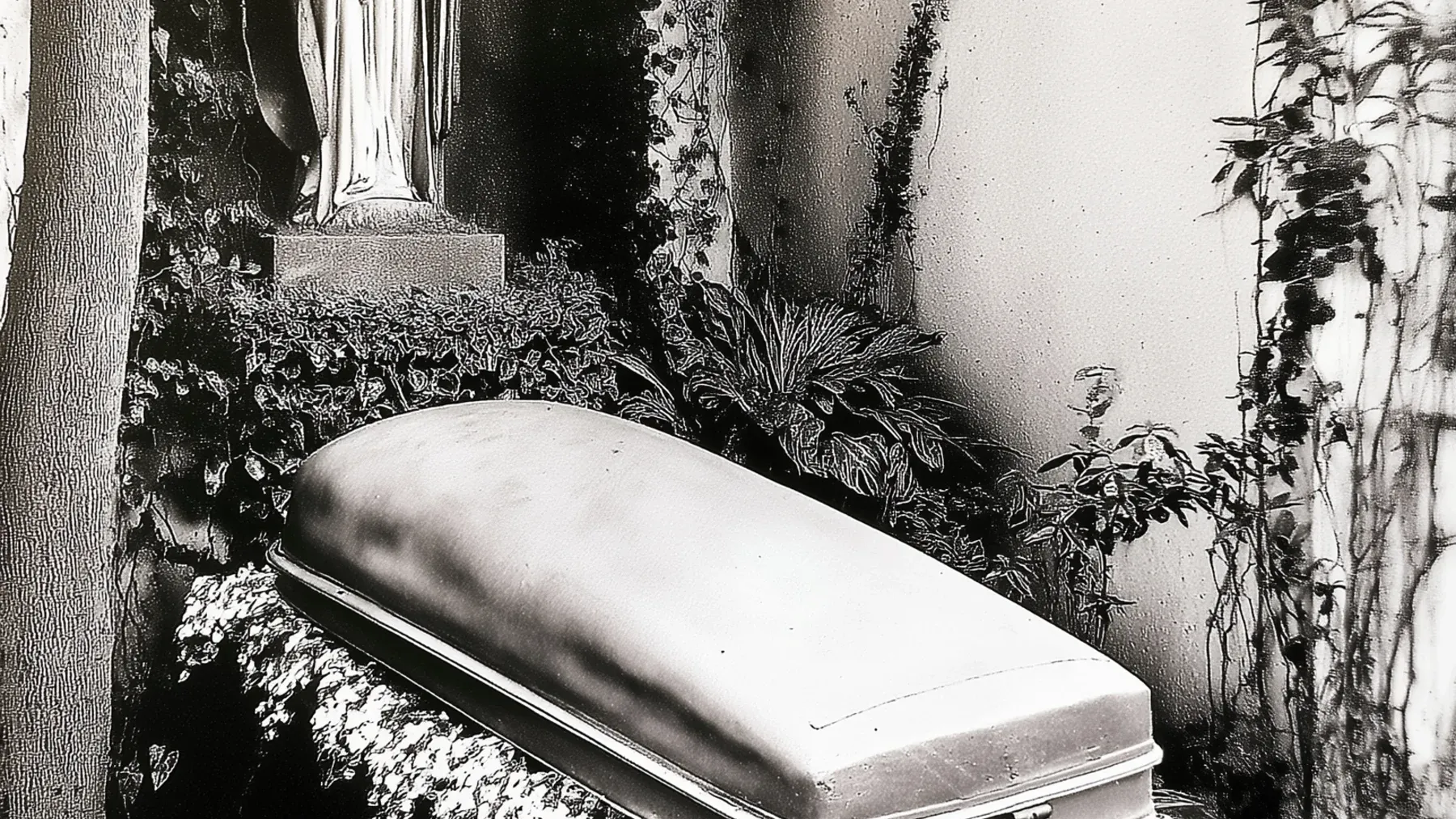
Writers learning how to write a funeral scene often begin with mood: dark clothes, lowered voices, rain, flowers, and a eulogy that states what the deceased meant. Mood can support the scene, though it cannot give the gathering a dramatic shape. A funeral becomes a scene when ritual requires the living to do something together while they disagree about the life being remembered and the future now beginning.
Imagine the funeral of a coastal city’s chief flood engineer. The civic ceremony presents her as the designer who saved the harbor during a historic storm. Her adult child remembers a parent who chose the pumping station over every family emergency. A former apprentice remembers the leader who trusted junior staff when officials panicked. A fisher from the displaced eastern shore remembers that the celebrated seawall protected one district by making another harder to inhabit.
Each account contains evidence. The funeral forces those accounts into the same ordered event. A brass pump key will be passed to the next engineer before the flood bell rings. The adult child has been asked to make the transfer. The former apprentice is expected to receive it. The fisher has brought a corroded hinge from the gate that failed on the eastern shore. This funeral already contains action, constraint, and a decision that will survive the ceremony.
Choose the Funeral’s Public Task Before Its Mood
Every funeral performs work for a family or community. It may prepare and bury a body, gather witnesses, fulfill religious duties, recognize a changed status, preserve a name, distribute care, or establish an official memory. Identify that work before choosing the weather or emotional tone.
The Metropolitan Museum of Art describes ancient Greek burial as a three-part sequence: laying out the prepared body, carrying it in procession, then interring or cremating the remains. The details belong to a particular historical culture. The craft lesson is broader. Ritual moves through ordered stages, and each stage gives people different access, responsibilities, and opportunities for action.
If your story uses a real religious or cultural practice, research it through participants, institutions, historians, and primary material where possible. Learn who prepares the deceased, who may be present, who speaks, how soon the ceremony occurs, what happens to the remains, and what duties continue afterward. A familiar funeral from film is not a neutral default. It represents a particular set of customs and may be entirely wrong for your characters.
If you invent a funeral, build it from the society’s material conditions and beliefs. The flood engineer’s city holds civic funerals at the old pumping station because the flood bell once summoned every household to raise barriers. Senior public workers pass a tool or key to a successor. Salt water is poured across the threshold to mark the end of one person’s duty. These actions fit a place organized around tides, communal infrastructure, and inherited public responsibility.
Write a one-line public task for the scene. In this case: The city must transfer responsibility for the flood system while agreeing on what the dead engineer’s service meant. That sentence tells the writer what cannot remain unchanged.
Next, define the scene state on both sides of the ritual:
- Before: The apprentice has been named acting chief, the adult child privately opposes the appointment, the city’s eastern district distrusts the engineering office, and the pump key remains with the family.
- Ceremonial threshold: The child must decide whether to place the key in the apprentice’s hands during the prescribed transfer.
- After: Someone possesses public authority, the mourners have witnessed acceptance or refusal, and the next storm season has acquired a political conflict.
This before-and-after model prevents the funeral from pausing the novel for sadness. The scene may be quiet, yet its quiet contains a transfer. Even a private family burial can change who cares for a surviving parent, who receives an object, who is acknowledged as kin, or who leaves knowing reconciliation will never occur.
The funeral’s emotional range comes from that task. One person wants the ritual completed because order feels merciful. Another wants to interrupt because completion would make a disputed story official. A third resents the conflict because this is the only hour in which grief was supposed to take priority. Their feelings have directions because the ceremony asks something of them.
Ritual Decides Who May Act and When
Ritual is a sequence of permissions. At any moment, someone may speak, carry, touch, witness, lead, remain seated, approach the body, or receive an object. Those permissions can express faith and care. They can also reveal rank, belonging, exclusion, and contested authority.
Make a ritual score before drafting prose. List each stage, its expected action, the authorized person, the viewpoint character’s obligation, and the cost of compliance or refusal.
For the pumping-station ceremony, the score might contain five beats:
- City workers carry the coffin past the idle turbines.
- Three speakers name one service the engineer gave the harbor.
- The eastern-shore bell ringer sounds the first warning bell.
- The engineer’s child transfers the brass key to the successor.
- The successor opens the sluice that carries the memorial salt water to sea.
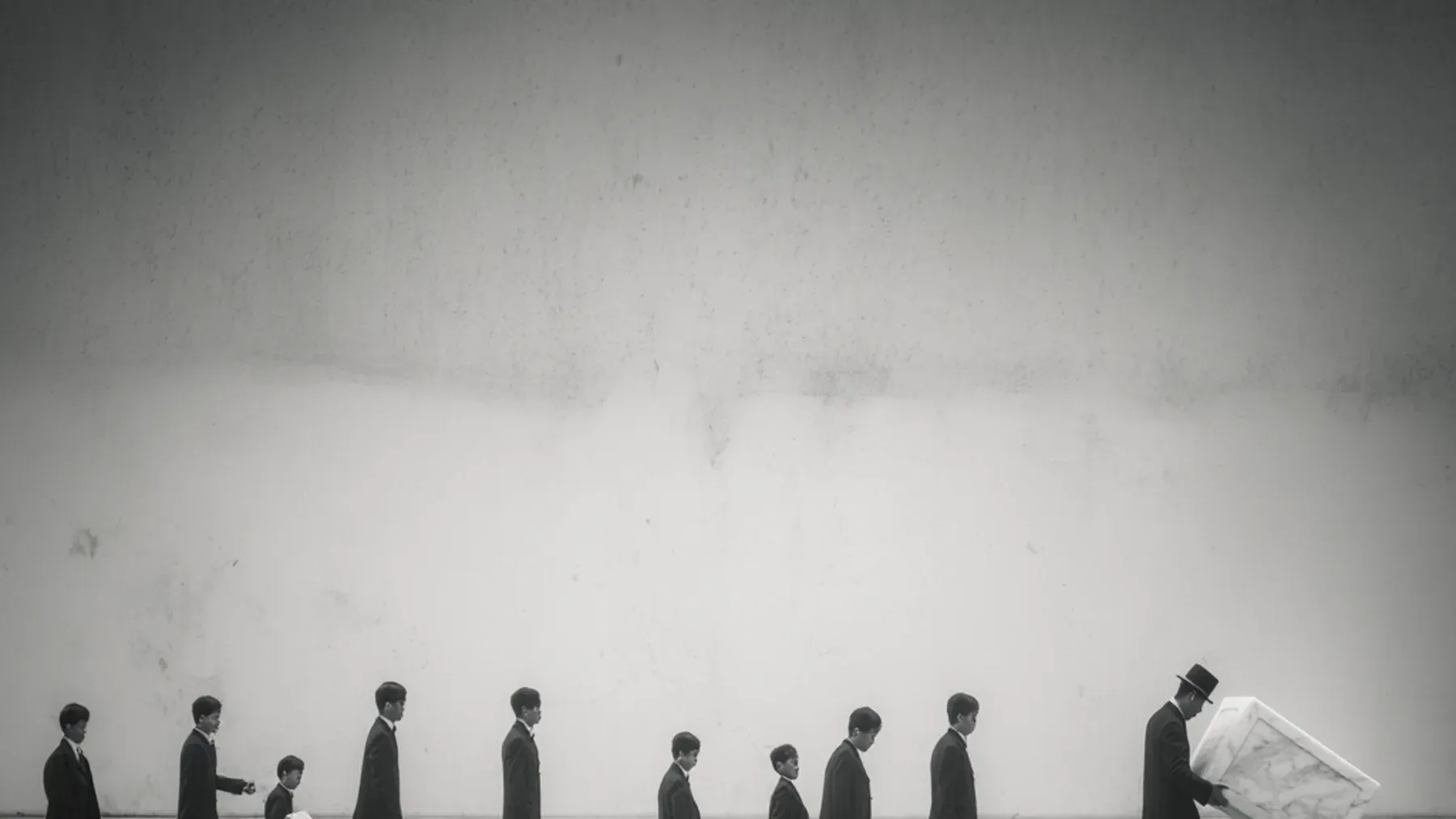
Now pressure the score without turning the service into chaos. The fisher may be entitled to ring the bell, which gives him a sanctioned moment at the center. He brings the damaged hinge and sets it beside the bell before he pulls the rope. The gesture obeys the timing while disputing the official praise. Everyone can see the evidence, yet the ceremony offers no convenient place to debate it.
Constraint often creates stronger drama than a shouted accusation. The adult child cannot cross the room during a reading without becoming the story everyone remembers. The apprentice cannot defend the seawall without appearing to campaign over a coffin. The mayor controls the printed program, though she cannot control who remains silent when applause is expected.
Use the physical arrangement as part of that permission system. Who stands near the family? Who was placed behind a rope? Is an unrecognized partner listed among relatives, employees, or nobody at all? Can a disabled mourner participate in the route the ritual demands? Which entrance is open to the public, and which entrance did senior officials use? Logistics reveal whose grief the institution can recognize.
This is where objects carrying subtext become especially useful. The pump key has at least three simultaneous meanings: inherited duty, the deceased’s prolonged absence from home, and authority over infrastructure that distributes danger unequally. Keep the object’s physical facts stable. The characters create conflict through the claims they attach to it.
To avoid a collection of atmospheric gestures, give every important action a result. Placing the hinge beside the bell changes what the audience thinks about the praise. Refusing to applaud isolates the child from city officials. Accepting the key binds the apprentice to a public promise. A ritual beat earns space when it alters knowledge, allegiance, access, or obligation.
Competing Memories Need the Same Piece of Evidence
A generic funeral gives every mourner a different anecdote. A dramatic funeral makes several memories compete over the meaning of one pattern.
The engineer’s child remembers waiting through a school performance with an empty seat beside her. The apprentice remembers that same night as the emergency when the engineer stayed at the pumps and prevented a hospital evacuation. The fisher remembers water diverted from the hospital district into streets where his neighbors lived. Three memories converge on one decision. The dispute concerns how service, parenthood, and unequal protection should be judged.
Build the conflict with a memory table:
- Shared event: What occurrence can multiple mourners identify?
- Available fact: What can the story establish with reasonable confidence?
- Relationship position: What did each mourner need from the deceased then?
- Interpretation: What value does each person assign to the choice?
- Present claim: What does that interpretation justify at the funeral?
This method preserves factual continuity while allowing emotional disagreement. The engineer stayed at the pumping station. The hospital remained dry. The eastern shore flooded. Her child was left waiting. Agreement about those facts does not produce agreement about what she should have done.
Nancy Kress explains that mixed feelings become convincing when readers understand the forces behind each emotion. Earlier scenes can prepare affection and resentment separately before both appear together. At the funeral, the child may feel pride when workers describe her mother’s courage, fury when the mayor erases the eastern shore, and tenderness when the apprentice repeats a private habit accurately. Those turns are coherent because each responds to a different appraisal.
Prepare the evidence before the funeral. Show the pump key used during a crisis. Let the child hear public praise while the engineer is alive. Establish the failed gate and the apprentice’s loyalty. If every complication first appears during the service, the scene must explain the past while asking readers to feel its consequences. Earlier preparation allows one glance at the hinge to activate an argument the novel already owns.
The guide to writing grief in fiction develops this relationship between old expectations and present decisions. In the funeral itself, grief should remain specific to the bond. The child mourns the possibility of ever asking why public duty always won. The apprentice mourns a mentor and the protection her authority provided. The fisher may mourn neighbors while feeling little private affection for the engineer. Nobody needs to perform the same emotion.
Dialogue becomes sharper once each speaker has a claim. A eulogy is public action. The mayor selects a history that strengthens confidence in the flood program. The apprentice can honor the mentor, correct the record, or protect a future appointment. The child can deliver the approved words, introduce the eastern shore, or refuse the speech. What the speaker omits matters because the audience knows what inclusion would cost.
Keep Point of View Working Under Ceremony
Funeral scenes often drift into a survey of faces: the widow cried, the brother stared ahead, the colleague looked guilty, and an unknown guest stood near the door. A viewpoint character cannot reliably translate every expression in the room. Choose what this mourner is trying to accomplish, then let that purpose control attention.
The adult child intends to complete the ceremony without surrendering the key. She watches the route between her chair and the apprentice, the mayor’s hand signals, the location of the hinge, and the moment when the officiant reaches the transfer line. She misses details that do not affect her plan. This selective attention keeps the funeral from becoming a catalogue.
Her interpretations can still be wrong. The apprentice’s rigid posture may look ambitious when it is an effort to remain upright. The fisher’s absence from the front row may seem hostile, though he is waiting by the bell because the ritual requires it. Separate perception from fact so later information can revise the scene fairly.
Body and setting details should create action. Tight shoes matter if the child must cross a wet turbine floor. Incense matters if smoke obscures the bell ringer’s gesture. A flower arrangement matters if it blocks the eastern delegation from view. Description earns its place by influencing movement, attention, memory, or choice.
Broader narration is possible. Third-person omniscient point of view can show a community constructing collective memory, but the narrator still needs an organizing intelligence. It might move from officials in the front rows to workers beside the turbines and families outside the doors, exposing how proximity to power changes the meaning of “saved the city.” Each shift should enlarge the scene’s central question.
Control pacing through ceremonial thresholds. Summary can carry the expected procession. Scene time expands when the hinge appears, when the approved eulogy changes, and when the key must move from one hand to another. Readers do not need equal detail for every hymn, reading, greeting, and condolence. They need the moments in which the ritual’s outcome becomes uncertain.
Send a Duty Out of the Funeral With the Mourners
A funeral scene ends when the gathering creates a new condition, rather than when the coffin leaves the page. Decide what has transferred: authority, care, property, blame, knowledge, a promise, or the obligation to investigate.
In the pumping station, the child finally gives the key to the apprentice, then places the corroded hinge in the same hands. The gesture accepts the succession and defines its unfinished duty. The apprentice must lead the flood office while answering for the district its official history excluded. The mayor receives public continuity at the price of a visible demand. The child leaves without a private explanation from her mother, yet she has prevented the ceremony from reducing that life to one approved sentence.
Follow the decision into the next scene. The apprentice orders an eastern-gate inspection. The fisher must decide whether to cooperate with the office he distrusts. The child finds that surrendering the key removes her formal role and feels both freed and displaced. A funeral has more power when the living inherit practical trouble from the meanings they chose there.
NovelOS Studio can keep that inheritance connected across the manuscript. For this type of scene, a focused set of features supports the work:
- Build the deceased, child, apprentice, fisher, mayor, and officiant in The Oracle with separate needs, evidence, mixed feelings, and limits on what each knows.
- Use Connections in Cast & World to map family, mentorship, public office, district loyalty, authority over the key, and relationships altered by the transfer.
- Preserve the pumping station, bell, flood system, civic funeral rules, eastern-gate history, and institutional hierarchy in The Architect.
- Explore possible contested objects, ritual violations, and aftermath decisions in Spark while keeping established facts fixed.
- Sequence preparation, procession, bell, eulogy, key transfer, and first consequence in The Blueprint, then verify chronology in Timeline View.
- Draft viewpoint-controlled attention and each speaker’s public claim in The Manuscript.
- Use The Alchemist during revision to locate generic grief language, repeated gestures, overexplained memories, or descriptive passages that never affect the ceremony.
NovelOS Studio also keeps manuscript goals and progress trackers beside the story. Editorial Foundry can produce an EPUB ebook, a print-ready PDF, an editable DOCX file, Markdown, or a self-contained HTML edition. Windows and macOS writers can work locally and move the complete project between computers through .novelos archive export and import.
When revising, test the funeral with four questions. What public task must be completed? Which ritual permission creates pressure? What shared evidence receives competing meanings? Which duty leaves with the living? Clear answers turn mourning into a specific story event, and NovelOS Studio gives the full chain a durable home. Build the next consequential scene in NovelOS Studio.
Sources and further reading
- Death, Burial, and the Afterlife in Ancient Greece, The Metropolitan Museum of Art
- Rituals of Transition and Conformity, OpenStax Introduction to Anthropology
- Facilitating grief: An exploration of the function of funerals and rituals in relation to grief reactions, PubMed
- Funerals and Other Rituals in Fiction, WriteOnSC
- Characters, Emotion & Viewpoint, Nancy Kress
- Solemn Funeral Scene, Lummi
- Monochrome Procession, Lummi
- Cemetery with Red Flowers, Lummi