Fear and Desire Should Change Each Other in Horror Romance

Horror romance works when closeness changes the threat and contact with the threat changes the relationship. If the couple can complete the same romantic arc after the haunting is removed, the horror is scenery. If the same haunting can unfold after either lover is replaced by a practical assistant, the romance is a subplot.
The connection can be causal. At a hotel being restored after a fatal fire, a restoration architect and a fire investigator discover that a kiss produces separate visions of where each partner may die. Emotional disclosure gives the building new images to reproduce. Protective behavior can save a life while damaging trust. The relationship therefore creates supernatural access, and the haunting exposes how each person handles vulnerability.
Neither strand pauses for the other. The first kiss is also an encounter with the rule. The first serious investigation requires negotiation about private memories. The breakup changes how safely the building can be entered. The reunion solves a relationship problem and restores a survival capability, though it does not make the hotel harmless.
State the Two Reader Promises Precisely
Begin by deciding what kind of book you are asking readers to trust. The Horror Writers Association describes horror as fiction that confronts intense fear, dread, dismay, and the human concerns beneath them. Romance craft commonly centers the developing relationship and an emotionally satisfying shared future. A hybrid needs a clear answer about which promise governs the ending and how strongly the other promise shapes it.
Write two sentences before outlining:
- The relationship promise: what kind of commitment must become possible, and what emotional obstacle must the couple change to earn it?
- The fear promise: what safety, certainty, identity, body, relationship, or moral boundary will the horror violate, and what consequence must remain after confrontation?
For the hotel novel, the relationship promise is that the architect and investigator learn to share risk without controlling each other. The fear promise is that a building can turn private memory into inhabitable space, making emotional openness a source of evidence and invasion. The dead from the earlier fire must retain weight in the ending.
If this is marketed as genre romance, the central couple needs the form of emotionally satisfying commitment that the book has signaled. The building can remain dangerous, and grief can remain unresolved. If it is marketed as horror with a romantic arc, survival or togetherness may be less assured. Decide early because the same final separation means different things under different reader contracts.
Give both strands independent foundations. The lovers need attraction rooted in attention, humor, values, competence, friction, and chosen behavior before the curse declares them important. The hotel needs a history, operating rule, victims, physical mechanism, and appetite beyond interfering with a date.
This separates horror romance from adjacent work. Gothic romance often connects desire to inheritance, confinement, decaying property, family history, and an atmosphere of the past pressing on the present. Horror romance can use those elements, though it can also unfold in a research station, suburban development, hospital, spacecraft, or body-horror laboratory. Its essential test is the causal exchange between intimacy and fear.
Build an Intimacy-Threat Circuit
Plot the book as a circuit rather than two alternating tracks. Each major turn should pass through four operations:
- Approach: someone chooses greater emotional, practical, or physical closeness.
- Access: that approach reveals information or grants the horror a new route.
- Encounter: the threat acts through what has become available.
- Relational change: the couple responds in a way that alters trust, desire, boundaries, or commitment.
The architect admits that a sibling died in an accident. The disclosure gives the investigator a clearer understanding of why certification feels like moral debt. It also gives the hotel enough detail to recreate the sibling’s bedroom behind a sealed wall. The investigator finds the room and leaves before touching anything, then asks whether the architect wants to see it.
That sequence matters because a confession did more than supply backstory. It improved human understanding, expanded supernatural access, produced a frightening encounter, and tested whether the investigator would treat private pain as evidence to seize.
Repeat the circuit with changed variables. The first kiss produces opaque death images. A later kiss is chosen as a monitored experiment and reveals that their actions have altered those images. Sleeping nearby synchronizes dreams but blurs which memory belongs to whom. Working apart limits the hotel’s reach while allowing their defensive habits to return.
Keep a circuit table for the largest turns:
| Approach | Access created | Horror encounter | Relationship after |
|---|---|---|---|
| first kiss | possible-death rooms | each sees the other’s death site | attraction becomes fear of responsibility |
| private confession | sibling’s room and wallpaper | the building displays unshared memory | consent around evidence becomes explicit |
| joint experiment | synchronized map | corridors overlap during the kiss | trust grows through preparation and stopping rules |
| secret protection | one access card is disabled | the isolated partner enters through a false door | safety tactic becomes betrayal |
| chosen reunion | shared memory route returns | both enter the shifting layout | cooperation depends on restored freedom |
The table exposes inert scenes. A tender conversation that changes neither access nor later choice may belong in another location or need a consequence. A frightening corridor that leaves trust and behavior untouched may be repeating atmosphere.
The guide to building dread through a haunting adds a useful test for the supernatural half of the circuit: each manifestation should reveal enough about access, specificity, or cost to make the next encounter more intelligible and more difficult.
Vary Fear Without Flattening Desire
Continuous maximum terror numbs the reader and leaves little room for intimacy. Rayne Hall’s Writing Scary Scenes distinguishes suspense, unease, anxiety, apprehension, foreboding, excitement, dread, terror, revulsion, and shock, while warning that intensity needs variation. That range helps a hybrid because different fears can perform different romantic work.
Unease suits early attraction. The architect notices that wallpaper seams point toward the investigator whenever they stand together. Neither knows whether the pattern is meaningful. Curiosity and self-consciousness can occupy the same beat.
Apprehension suits chosen vulnerability. Before describing the sibling, the architect knows disclosure may alter how the investigator sees the restoration. The danger is identifiable, though its exact consequence remains uncertain.
Dread belongs before a known rule returns. Both have learned what a kiss can open. When they decide to repeat it, the reader anticipates a room without knowing whose future it will show.
Terror should be rare and concrete. During the climax, the investigator recognizes the death room, knows the glass ceiling is failing, and has no immediate path clear of the projected walls. The earlier dread has earned that concentrated helplessness.
Let desire vary too. Attraction, admiration, longing, play, protectiveness, jealousy, sexual tension, trust, companionship, and commitment should not collapse into one temperature. A practical act can deepen the romance without becoming a declaration. The architect learns the investigator’s evidence labels and returns samples in the exact order required. The investigator notices a structural detail in a sketch and asks before annotating it. Respect creates intimacy in the language of their work.
The character-chemistry guide is useful for checking whether attention and changed behavior exist outside the crisis. Shared danger can accelerate disclosure, but adrenaline alone cannot establish compatibility.
Protect Choice When Survival Creates Dependence
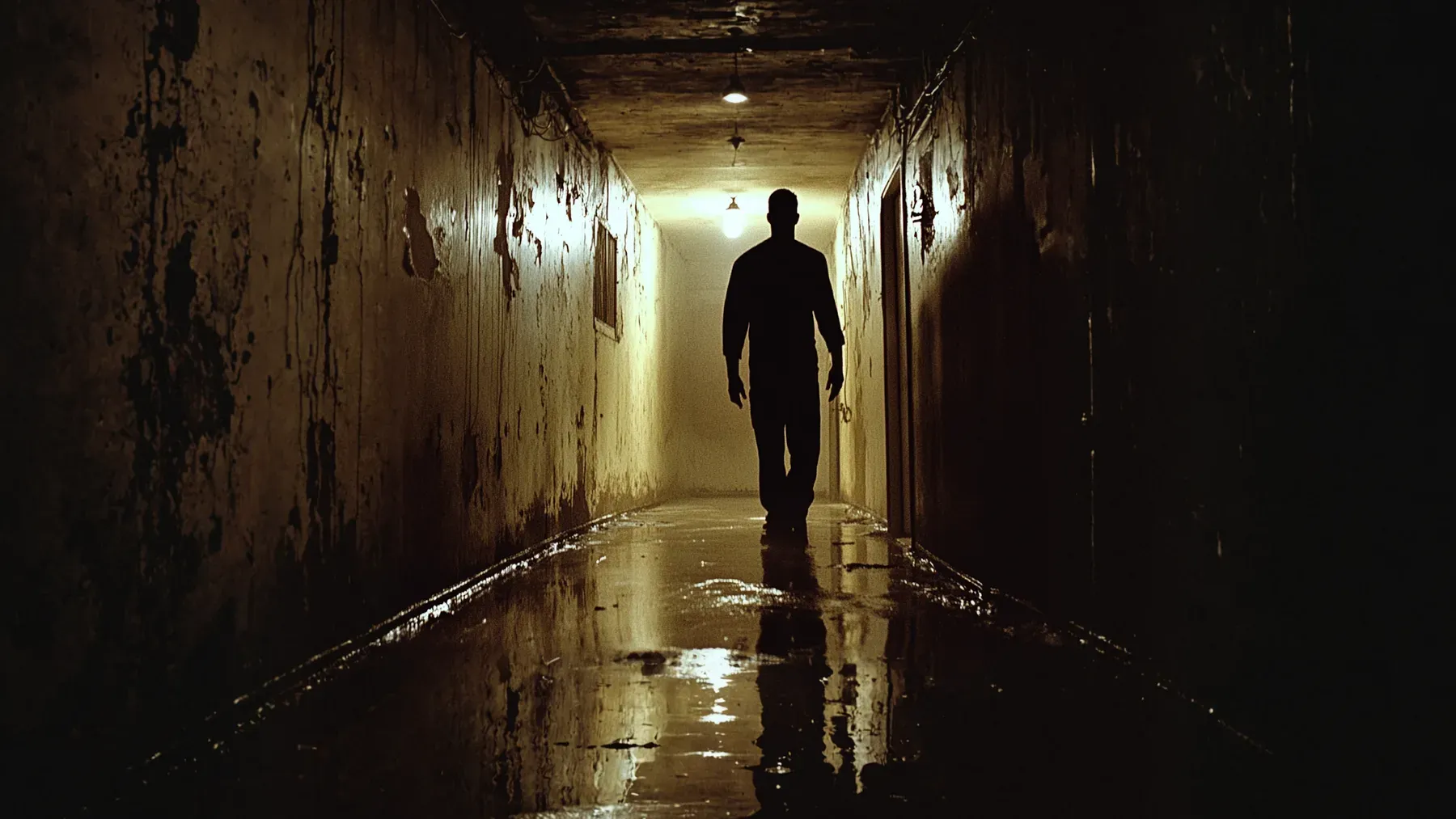
Horror readily produces confinement, injury, magical bonds, rescue, and fear of abandonment. Those conditions can intensify closeness while making refusal difficult. Treat consent and dependence as structural concerns rather than a reassuring line of dialogue.
Mark the pressure around every major intimate choice:
- Can either person leave the location?
- Does one control employment, medicine, transport, evidence, or protection the other needs?
- Is the choice made during acute danger or after recovery?
- What information is each person missing?
- Can consent be withdrawn once the supernatural effect begins?
- Who bears the consequence of stopping?
After a ceiling collapse, the pair share warmth and admit attraction. They do not define the relationship while rescue depends on cooperation. Two days later, away from the hotel, they return to what was said. Distance from the immediate threat gives each person a real opportunity to revise or refuse.
Professional authority also needs handling. The investigator can close the site, threatening the architect’s contract. The architect controls access needed for the fire inquiry. They route disputed safety decisions through another inspector and keep romantic negotiation separate from official approval. The arrangement cannot remove every conflict, but it makes the power legible.
Protective behavior is especially revealing. The investigator responds to fear by taking control. The architect responds by hiding information to preserve autonomy. One secretly disables a site credential. The other withholds a new wall message and enters alone. Each action aims at safety and enlarges danger because it denies the partner’s agency.
Repair requires a changed practice with observable terms. The investigator restores access, states the hazard, and accepts the architect’s answer. The architect shares new evidence before acting and remains free to argue about the response. Love appears through the handling of risk rather than a promise that risk has vanished.
If the horror impersonates a lover, avoid implying that a victim should always detect the false version. An authentication phrase can help until the building learns it from memory. After that, the couple must rely on context, accumulated behavior, and uncertainty. Failure to recognize a perfect imitation is evidence of the threat’s power, not inadequate devotion.
Make the Climax Spend Both Kinds of Knowledge
The climax should become impossible if either the emotional arc or the horror investigation is removed. A kiss powered by pure love is too vague. A technical solution performed by two people who happen to be dating leaves the relationship ornamental.
In the hotel case, the couple discovers that the fatal fire began when several memory rooms occupied the same physical corridors. Current restoration work is reconnecting the glass network. The owner plans a private demonstration, hoping synchronized lovers can stabilize a room and restore a dead partner.
The investigators possess two bodies of knowledge. Architectural surveys, fire records, witness statements, glass conduits, manual vents, and earlier tests describe the physical danger. Their boundaries, separate defensive patterns, shared stopping rule, and changed death visions describe how intimacy affects the layout.
During the demonstration, the investigator enters the death room to open smoke vents. The architect crosses a memory wall to reach controls cut off by the shifting plan. An object added during an earlier act of care becomes a route rather than a symbol. Outside workers disconnect glass segments in the order established by the investigation.
The reunion matters operationally because the building can generate a stable shared route only when both participate willingly. Consent remains active: either can end the connection, though doing so will collapse the route. The couple succeed by communicating limits while under pressure, the same behavior their emotional conflict previously made difficult.
The owner sees a version of the dead partner assembled from personal memory, guest recollection, and hotel records. Refusing that imitation preserves horror’s uncertainty. The figure may contain consciousness or may be a predatory collage. Love cannot answer the metaphysical question.
Afterward, include both kinds of aftermath. The hotel closes, surviving glass enters controlled study, victims receive public recognition, and some spaces remain unexplained. The couple choose a shared home with ordinary walls and negotiate what work each will continue. Occasional storm dreams keep the horror consequence alive. Their commitment rests on how they respond when fear returns.

Carry Both Promises Through NovelOS Studio
The circuit becomes difficult to manage once visions, memories, rules, access, investigations, consent, work authority, and relationship changes begin affecting one another. NovelOS Studio gives the complete horror romance one connected project:
- The Architect holds the hotel’s physical plan, glass network, fire history, memory-room rules, triggers, limits, safety systems, victims, and the facts that remain deliberately uncertain.
- Cast & World records each lover’s work, attraction, fear response, private history, authority, boundaries, knowledge, and practical behavior under pressure.
- Connections maps desire, consent, dependence, secrecy, grief, employment, investigation, memory access, protection, and every relationship changed by the hotel.
- The Oracle supports development of an owner, victim, worker, witness, former guest, inspector, or secondary couple when the plot needs a person with a specific connection to the threat.
- Spark Ideation keeps alternate supernatural rules, approaches, experiments, breakup causes, climax routes, and aftermaths available while the writer tests which version changes both genres.
- The Blueprint and Timeline View align kisses, disclosures, dreams, accidents, evidence, safety decisions, separations, access changes, demonstrations, and repairs in causal order.
- The Manuscript carries dread and desire at scene scale, allowing a corridor detail, investigative exchange, touch, silence, or refusal to serve the larger circuit.
- The Alchemist helps the writer try controlled prose revisions while preserving authority over sensual tone, fear intensity, character voice, and consent.
- Goals and trackers can monitor rule testing, relationship turns, fear variation, unresolved evidence, scene progress, word count, revision passes, and aftermath obligations.
- Editorial Foundry prepares publication editions in EPUB, PDF, or self-contained HTML. When another editorial workflow needs the text, the writer can also choose DOCX, RTF, Markdown, or TXT.
The Windows and macOS editions keep the writing project local. One personal license covers all computers owned by the writer. Exporting a .novelos archive packages the whole book for import on a different machine. The same license covers the iOS and Android phone app, and optional encrypted sync keeps the book on your computer and phone.
Horror romance earns its blend when the relationship teaches characters how to face the threat while the threat reveals what their love can withstand. Build that intimacy-threat circuit in NovelOS Studio, and make every moment of approach leave both fear and desire in a different state.
Sources and further reading
- Horror Writers Association, What Is Horror Fiction?, on fear, dread, dismay, and horror’s confrontation with human concerns.
- Rebekah Faubion, “The Thin Line Between Horror and Romance”, on tension, anticipation, and distinct genre satisfactions.
- Nina Harrington and Catherine Lanigan, Writing a Romance Novel For Dummies, second edition, chapters 5 through 7, inspected in the local theory library for emotional conflict, external pressure, vulnerability, and relationship turns.
- Rayne Hall, Writing Scary Scenes, PDF pages 10 and 42 visually inspected in the local theory library for varying forms of fear and physical vulnerability.
- Desire, danger, and power in Gothic romance
- Character chemistry through attention and changed behavior