Figurative Language
Situational Irony
Situational irony occurs when an outcome meaningfully contradicts an established expectation, especially because of the actions taken to secure that expectation.
Situational Irony in a story
The reversal exposes a mistaken assumption, limited understanding, or conflict within the system.
Original fiction example
A ruler destroys every portrait to prevent a rival becoming a symbol, making the banned face the most copied image in the country.
This example is original to the NovelOS glossary. It illustrates the term without borrowing a passage from a published novel.
Why writers use it
Use situational irony to connect consequence with the flaw in a plan or belief.
A useful revision question: Where does this device change what the reader understands, expects, or feels? If removing it leaves the passage unchanged, it may need a clearer function.
A common mistake
A random opposite outcome is merely surprising unless it reveals something about the preceding situation.
Use situational irony in NovelOS Studio
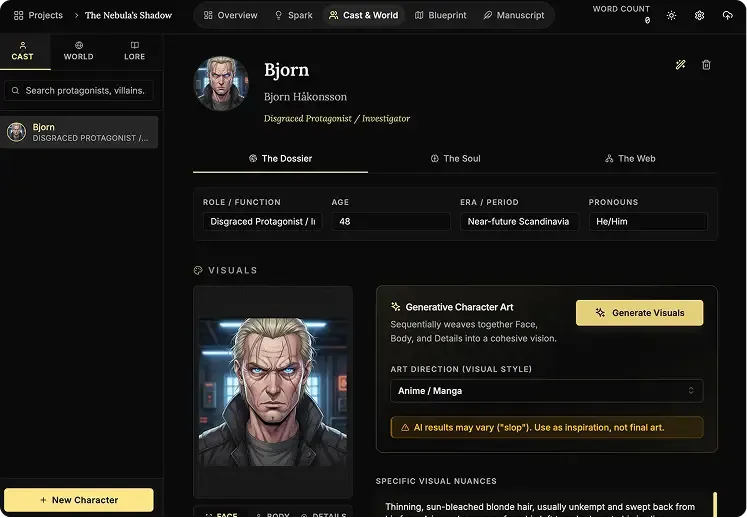
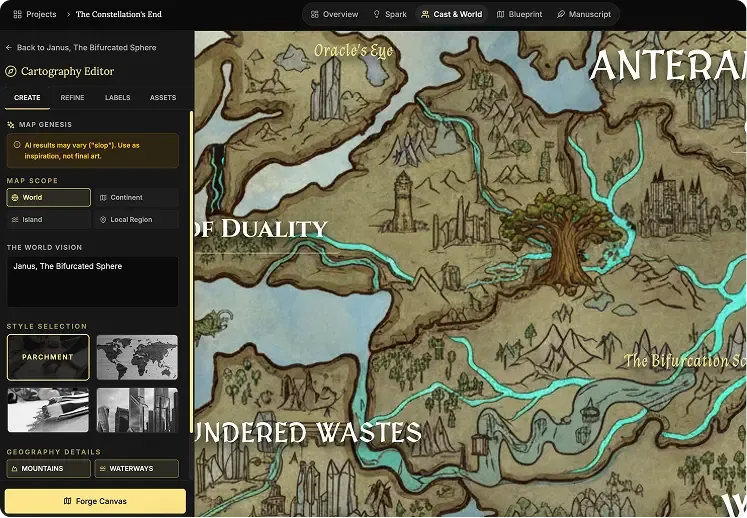
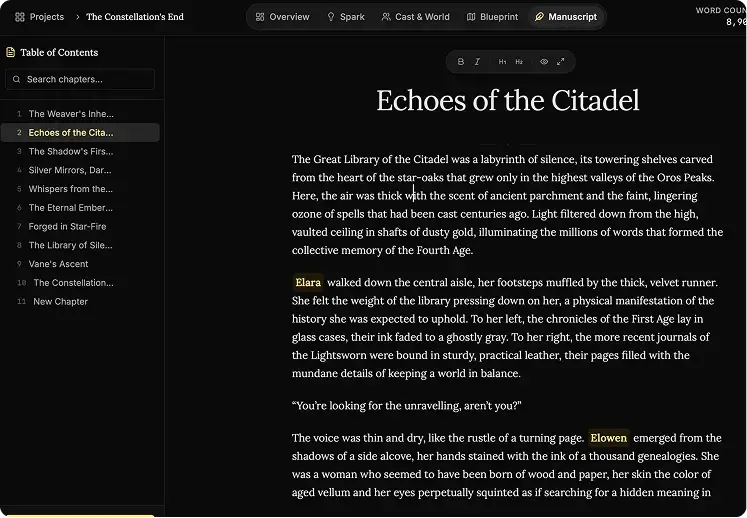
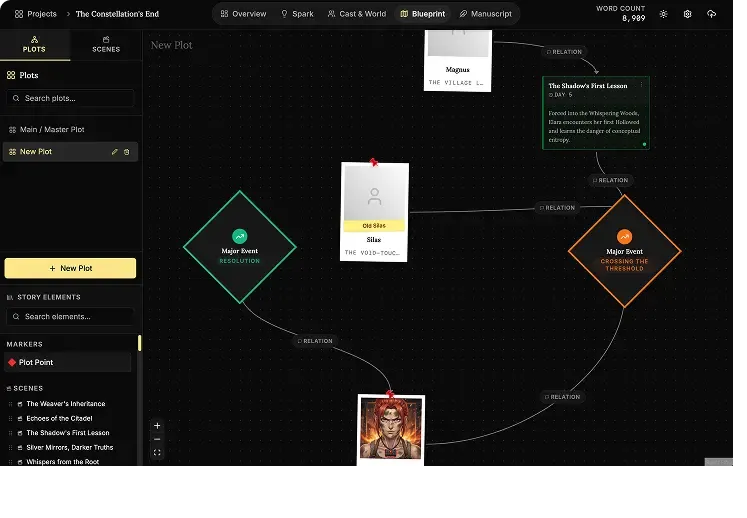
Review imagery, repetition, rhythm, and language choices in the context of the manuscript. The Alchemist sits inside the same NovelOS Studio project as your characters, world, timeline, manuscript, goals, tracker, revision tools, and publishing exports.
Record the idea where it affects the book, test it in scenes, and revise it beside the surrounding prose. NovelOS Studio keeps the craft decision attached to the novel instead of leaving it in a separate worksheet.