How to Write Villains Readers Cannot Shake Off
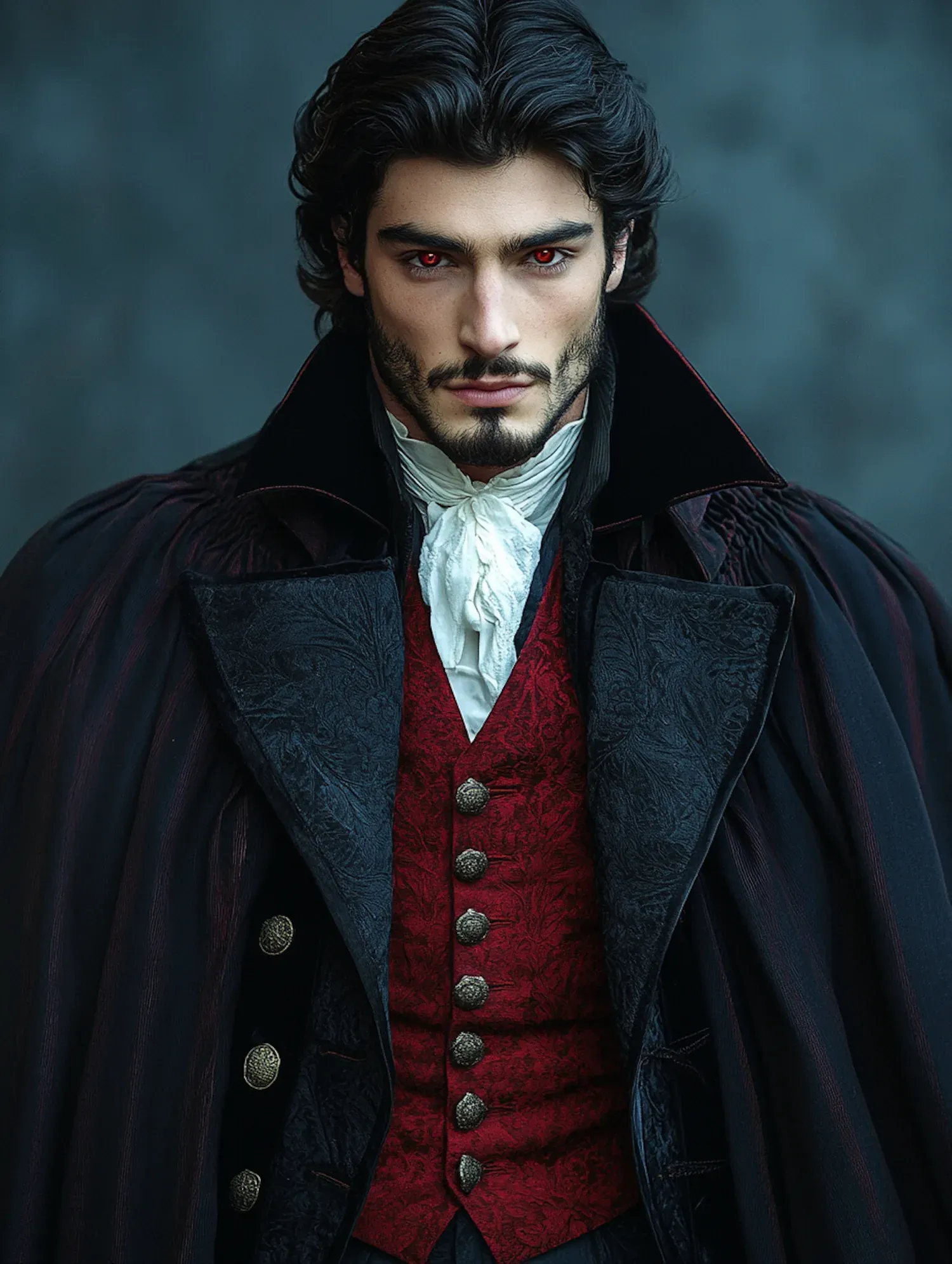
A weak villain can make a strong novel feel strangely fake.
The premise may be promising. The world may be vivid. The protagonist may have a real wound, a clear desire, and a voice worth following. But if the opposing force feels thin, convenient, or theatrically evil for no deeper reason than plot necessity, the whole book starts to lose pressure. Conflict becomes mechanical. Stakes become abstract. The story keeps moving, but it no longer feels like it had to happen this way.
That is why writing villains well matters so much.
A powerful villain does not just threaten the hero. A powerful villain tests the novel’s logic. They expose weakness, sharpen theme, force hard choices, and reveal what the protagonist truly believes once comfort is no longer available. Readers may hate them, fear them, pity them, admire them, or all four in the same chapter, but they should never feel like the villain exists only because the story needed “a bad guy.”
If you want to know how to write a villain who actually deepens a book, the answer starts here: stop thinking only about evil and start thinking about pressure.
A Villain Is Not Just a Person Doing Bad Things
This is one of the first distinctions worth making, because many villain problems begin at the conceptual level.
Readers do not remember villains simply because those villains are cruel. Fiction is full of cruel people who vanish from memory the moment the book ends. What lingers is a figure who changes the shape of the story. A great villain creates consequences. They alter tone. They force the protagonist into more difficult territory. They make ordinary solutions fail.
That is why a villain should never be designed only from surface traits.
Cold eyes, expensive clothes, ritual scars, charming lies, private armies, brutal habits, and poetic speeches can all be effective details. None of them matter much if the villain’s role in the story is shallow. The real question is not “How intimidating is this character?” The real question is “What pressure enters the novel when this character acts?”
That pressure might be physical, political, psychological, moral, relational, spiritual, economic, or intimate. The form changes by genre. The principle does not.
Not Every Antagonist Is a Villain
Writers often use the words villain and antagonist as if they mean exactly the same thing. They do not.
An antagonist is whatever force opposes the protagonist’s goals. A villain is a more specific kind of antagonistic presence, one marked by harm, domination, corruption, predation, or destructive intent. Some stories have antagonists who are not villains at all. A parent can oppose a protagonist out of fear rather than malice. A rival can obstruct the hero without being morally monstrous. An institution can trap a character without a single cackling mastermind at the center.
That distinction matters because it affects how you write the character.
If you are writing an antagonist, you may be dealing mostly with conflict of need or worldview. If you are writing a villain, you are usually dealing with a figure whose choices create deeper moral or emotional rupture. The story may still give them humanity, vulnerability, or complexity, but their presence should feel more corrosive.
Writers often improve villain work simply by naming the role more accurately. Is this person a true villain? A rival? A betrayer? A controlling parent? A corrupted protector? A tyrant? A charismatic fanatic? The sharper the category, the sharper the choices become.
The Best Villains Want Something Coherent
Nothing flattens a villain faster than empty appetite.
If the villain wants power “because power,” destruction “because chaos,” or revenge so generalized that it feels interchangeable with any other revenge plot, the character will often feel generic no matter how stylish the packaging is.
Strong villain motivation needs coherence.
That does not mean the villain is morally correct. It means the villain’s logic hangs together from the inside. They want security at any cost. They want order more than freedom. They want control because dependency once humiliated them. They want to correct a historical wrong but are willing to destroy innocents to do it. They want to preserve beauty, bloodline, purity, faith, legacy, perfection, or ownership. Their desire has shape.
Readers do not need to agree with that desire. They need to feel that it is real enough to generate action.
This is one reason so many memorable villains remain fascinating on reread. Their motives do not dissolve under scrutiny. They may become more disturbing the more clearly the reader sees them.
Moral Logic Is Usually More Important Than Backstory
Many writers reach for backstory too quickly when trying to create a compelling villain.
Backstory can help. It can explain habits, wounds, obsessions, fears, or distortions. But backstory alone does not create a convincing villain. Plenty of characters suffer. Not all of them become dangerous.
What matters more is moral logic.
What does the villain permit themselves to believe so that their choices remain justified in their own mind?
Maybe they believe mercy is weakness. Maybe they believe only the exceptional deserve safety. Maybe they think history has already proven that kindness fails. Maybe they believe suffering is educational. Maybe they believe love is simply another form of leverage. Maybe they believe corruption is unavoidable, so domination is more honest than pretense.
That inner permission structure is what makes the villain usable on the page. It shapes speech, decision, strategy, and self-justification scene after scene.
Backstory can support that structure. It should not replace it.
The Villain Should Reveal the Protagonist’s Weak Spot
One of the cleanest tests for a villain is this: why is this villain dangerous to this protagonist?
If the answer is only “because they are powerful,” the pairing may still work, but it probably is not yet personal enough. Villains grow more memorable when they expose something specific in the hero’s makeup.
They may tempt the protagonist toward the same flaw. They may understand the hero better than anyone else does. They may represent the future the protagonist fears becoming. They may embody the ideology the protagonist has never been forced to confront honestly. They may wound the exact relationship the protagonist most wanted to protect.
That connection does not need to be melodramatic. It needs to be specific.
A villain who targets a general weakness creates plot. A villain who activates a deeply personal weakness creates story.
This is also why villains often feel stronger when they share some mirrored trait with the protagonist. Discipline, loneliness, ambition, brilliance, wounded idealism, hunger for recognition, desire for control: any of these can become more unsettling when the hero and villain are not total opposites, but distorted reflections.
Fear Is Only One Tool
Writers sometimes build villains as if menace has only one flavor.
Threat matters, of course. But fear alone can become monotonous if the villain does not also generate curiosity, fascination, disgust, tension, pity, admiration, or warped intimacy. Readers do not need to like a villain, but they should feel something more layered than simple recoil.
That is why memorable villains often control more than one emotional register.
Some are terrifying because they are calm. Some are terrifying because they are unpredictable. Some are terrifying because they are persuasive. Some are terrifying because they are sincere. Some are terrifying because they know how to make kindness feel dangerous. Some are terrifying because they can move through polite society without ever dropping the mask.
The writer’s job is not to make every villain operatic. It is to choose the emotional profile that best suits the book.
Competence Makes Villains More Convincing
Readers are rarely satisfied by a villain who survives only because everyone else becomes stupid around them.
This is a common drafting problem. The villain seems powerful, but on inspection their power comes from coincidence, plot armor, or supporting characters making absurd decisions. Once readers sense that, the threat begins to collapse.
Competence helps solve this.
A competent villain understands timing, leverage, information, pressure points, reputation, and risk. They may still make mistakes. In fact, they should. But those mistakes should come from arrogance, blind spots, emotional overreach, or misjudging a specific human variable, not from becoming implausibly foolish the moment the plot needs an opening.
Competence is especially important in stories about political conflict, crime, war, institutions, or manipulation. A villain who can build a system, read a room, exploit hierarchy, and weaponize patience will often feel more dangerous than one who relies only on spectacle.
Charm Is a Dangerous Resource
Many of the most effective villains are not immediately monstrous in social situations. They are persuasive, gracious, articulate, attentive, generous at the right moments, or even disarmingly funny.
That does not make them less threatening. It often makes them more so.
Charm allows a villain to distribute harm indirectly. It recruits allies. It confuses witnesses. It delays resistance. It forces the reader to watch other characters fall under a spell they themselves have already started doubting.
This is one reason writers should think carefully about the villain’s public face. Who sees them as dangerous, and who sees them as admirable? Who benefits from believing their story? Who excuses what should not be excused?
The gap between public performance and private logic is one of the richest spaces a villain can occupy.

Charm also creates better dialogue. A villain who can seduce, flatter, redirect, or speak in moral half-truths gives the novel more tonal variety than one who only threatens. If you want the line-level scenes to hold that complexity, the craft principles in our piece on sharper dialogue for fiction can help you think about voice, subtext, and control more precisely.
Do Not Explain the Villain Too Quickly
Writers sometimes rush to make the villain “deep” and end up overexplaining them.
A character can lose force when the novel insists on interpreting every move, naming every wound, and clarifying every contradiction long before the reader has had time to feel the character’s power in action. Mystery is not the opposite of complexity. Sometimes it is the thing that protects complexity from becoming too neat.
This is especially true early in the book.
Readers do not need the entire psychological file at once. They need signs of pattern. They need enough to sense motive, method, and danger, while still wanting to know what lies underneath. Revelation should be controlled. The villain should unfold.
That does not mean withholding everything. It means choosing when explanation helps and when it shrinks the character prematurely.
The Villain’s Scenes Should Change the Temperature
Another useful test: does the scene feel different when the villain enters it?
It should.
Not always louder. Not always darker. But different.
Maybe the language becomes more careful. Maybe people sit straighter. Maybe the joke stops landing. Maybe the space feels watched. Maybe time seems to slow because every answer now carries consequence. Maybe the setting itself starts to feel altered because this person is in it.
If villain scenes feel interchangeable with any other conflict scene, the character may not yet have a strong enough field of influence.
This is where physical environment can help enormously. A villain in a crowded feast hall, a nursery, a courtroom, a winter garden, a chapel, or a locked archive will produce different emotional pressure depending on how the setting shapes movement, exposure, silence, and social rules. The piece we recently published on active setting in fiction goes deeper into that idea, but the short version is simple: setting becomes far more useful once it starts amplifying the villain’s effect on everyone else.
Villains Should Not Always Think They Are the Villain
This point is familiar because it is true.
Most effective villains do not narrate themselves as evil. They narrate themselves as necessary, justified, lucid, brave, realistic, chosen, disciplined, cleansing, corrective, or betrayed. They may know that others hate them. They may even enjoy the fear they provoke. But deep down, they still need a version of the story in which their own actions remain thinkable.
That does not mean every villain must be sympathetic. It means they must have internal permission.
When the villain can explain their actions convincingly to themselves, their dialogue, decision-making, and emotional reactions become more stable. The character stops functioning as a symbol of Badness and starts behaving like a person whose worldview has gone somewhere genuinely dangerous.
Sometimes the Best Villain Is a System With a Face
In some novels, the most frightening force is not only one person but an institution, class order, cult, empire, company, family structure, surveillance regime, or theological system.
Even in those cases, readers often need a human access point.
That is where a system-facing villain becomes powerful. They do not merely represent evil in the abstract. They embody how the system thinks, protects itself, and justifies harm. They are the smiling officer, the patient abbess, the elegant minister, the beloved donor, the efficient administrator, the charismatic commander, the sainted matriarch. They make the system legible.
This kind of villain often works especially well in literary fiction, dystopian fiction, fantasy, and historical fiction because it allows the novel to dramatize structural harm without becoming vague.
Violence Is Not the Only Form of Threat
Some villains kill. Some ruin reputations. Some isolate. Some tempt. Some humiliate. Some rewrite memory. Some manufacture dependence. Some steal language from the people resisting them. Some make other people do the worst things for them.
That range matters.
When writers think too narrowly about villainy, they often default to bodily harm alone. But many of the most disturbing antagonists are powerful because they can control belonging, intimacy, credibility, inheritance, education, money, faith, access, or truth itself.
A novel becomes richer when the villain’s method of harm grows organically from their worldview. A controlling moral purist should not injure the world in the same way a decadent manipulator would. A bureaucratic tyrant should not feel interchangeable with a bloodthirsty zealot. Method is character.
How to Revise a Weak Villain
If a villain is not working, the fix is usually not “make them nastier.”
Try asking:
- What does this villain want in precise terms?
- What belief makes their methods feel justified to them?
- Why are they dangerous to this protagonist specifically?
- What kind of pressure do they create that no other character does?
- Are they competent in a way the reader can actually observe?
- Is their public face different from their private operating logic?
- Are their scenes changing the temperature of the book?
- Does the story rely too much on backstory and not enough on present-tense behavior?
Those questions tend to reveal the real problem faster than adding another monologue or another body count.

Quite often, the villain improves when the writer becomes more selective. Fewer explanations. Sharper motives. More pressure. Better scene design. Stronger contrast between what the villain wants and what the protagonist cannot afford to lose.
The Story Needs More Than a Monster
Readers can enjoy a monster. But most long-form fiction needs more than that.
It needs a villain whose presence changes not only the plot, but the emotional and moral architecture of the novel. The best villains do not merely obstruct success. They force the protagonist into more revealing forms of choice. They test values under stress. They expose the cost of obsession, denial, power, fear, love, loyalty, class, faith, ambition, or grief.
That is why great villains linger. They are not memorable because they wore black or smiled at the wrong time. They are memorable because the novel became more itself when they entered it.
Turning Villain Notes Into a Working Draft Process
Most writers do not struggle with villains because they lack imagination. They struggle because motive, pressure, backstory, relationships, scene order, and escalation start living in separate places. One note explains the ideology. Another tracks the plot function. A third contains voice fragments. The draft remembers some of it and loses the rest.
For a writer working through revisions, NovelOS Studio keeps the villain’s psychology, role in the plot, scene pressure, and draft changes close enough together that the character can keep evolving without becoming inconsistent.
NovelOS Features That Help Villains Stay Sharp
Villain work improves when the emotional logic and the structural consequences can stay visible at the same time.
- A character pressure workspace for antagonists and rivals, The Oracle, helps track motive, contradiction, role, relationship strain, and the inner logic that keeps a villain from feeling generic.
- A plot escalation map for antagonist-driven stories, The Blueprint, helps break the novel into Scene cards, test where the villain tightens pressure, and use Timeline View to see whether escalation is actually building.
- A drafting editor for menace, subtext, and scene revision, Manuscript, makes it easier to tighten confrontations, cut explanatory excess, and hear whether a villain’s dialogue is carrying too much statement and not enough threat.
- A world logic system for power structures and dark institutions, World Building, helps when the villain’s force comes from class systems, law, religion, geography, or inherited political power rather than from personality alone.
- A story fragment board for capturing villain voice and image cues, Spark Ideation, is useful for storing threats, symbolic details, emotional triggers, scene ideas, and half-formed lines before they disappear.
The goal is not to decorate the villain until they seem interesting. The goal is to make sure their choices, presence, and pressure are coherent everywhere the novel needs them to be.
A Villain Should Leave a Mark
The best villains do not feel imported from another book. They feel as if this story produced them.
Their motives belong to this world. Their methods expose this theme. Their presence sharpens this protagonist. Their damage leaves a pattern unique to this plot. That is when readers stop encountering “the villain” as a stock role and start encountering a force the book could not do without.
Once that happens, conflict gains weight. The stakes stop feeling announced and start feeling lived. The novel no longer has an enemy merely because it should. It has an opposing presence that leaves a mark on every page it touches.